01
Consultation
Technical needs assessment



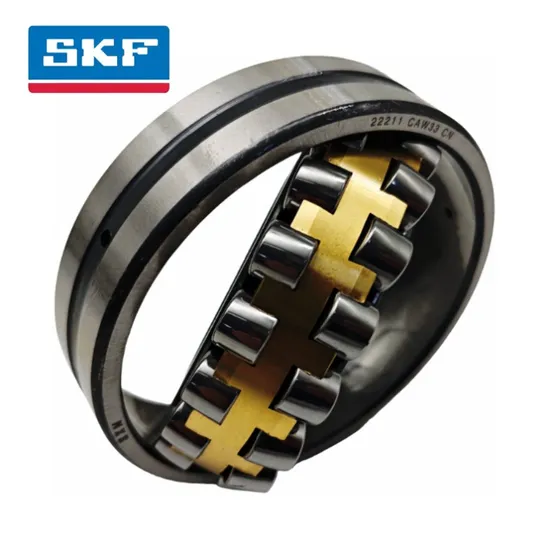
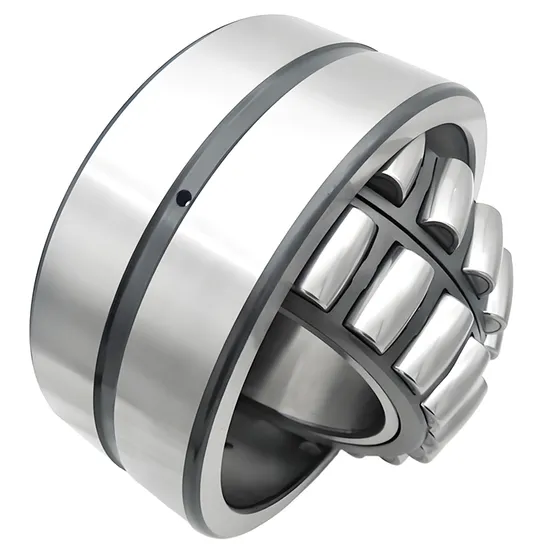
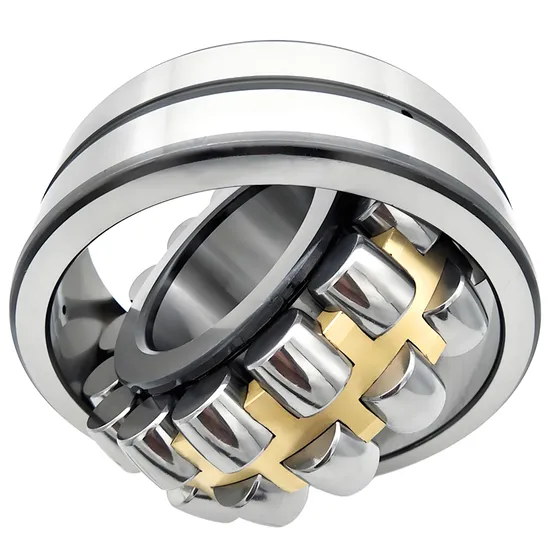
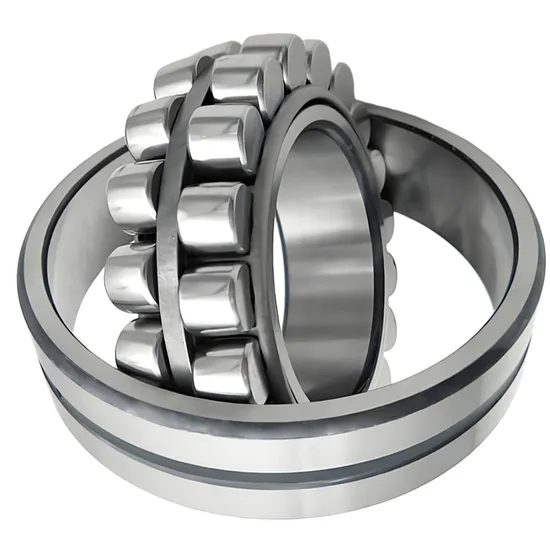
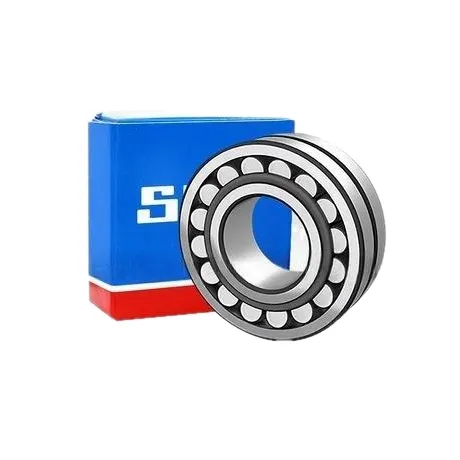
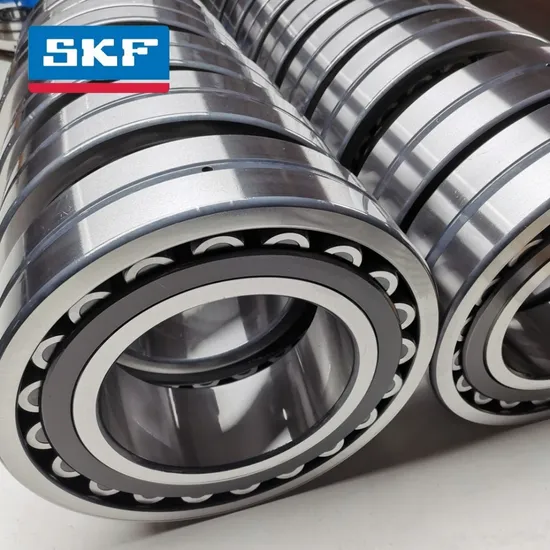
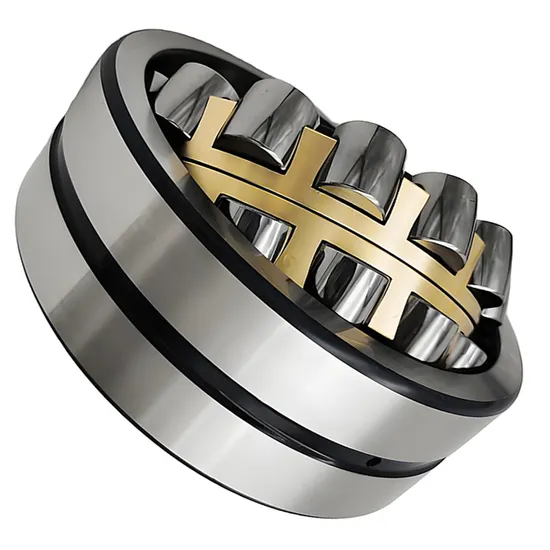
22222 22222ca 22222cc W33 22222e 22222K with H322 Spherical Roller Bearing — W33 outer ring lubrication groove with three oil holes ensures consistent grease distribution under heavy loads; K 1:12 tapered bore paired with H322 adapter sleeve enables precise clearance adjustment during shaft mounting.
Each shipment includes full batch traceability with QR codes scannable through official brand apps for instant authenticity confirmation.
Multi-Brand Traceability — Every 22222 spherical roller bearing with H322 adapter sleeve ships with batch-linked certificates, eliminating the guesswork in heavy-duty replacements.
| Parameter | Value |
|---|---|
| Designation | 22222 22222ca 22222cc W33 22222e 22222K with H322 |
| Bearing Type | Spherical Roller Bearing |
| Bore Type | Cylindrical and Tapered (1:12) |
| Adapter Sleeve | H322 |
| Lubrication Feature | W33 (Outer ring groove and three holes) |
Note: Suffixes CA, CC, and E denote specific internal design and cage variations; exact configurations require manufacturer catalog confirmation for cross-brand alignment.
| Industry | Typical Applications |
|---|---|
| Mining and Crushing | Jaw crusher eccentric shafts, vibrating screen exciters |
| Steel and Metallurgy | Continuous caster roll segments, rolling mill gearboxes |
| Pulp and Paper | Paper machine dryer cylinder journals, press roll bearings |
| Material Handling | Bucket elevator head pulleys, heavy-duty conveyor drive shafts |
Matching the base number without verifying the W33 lubrication groove or cage design guarantees premature failure under heavy shock loads.
In mining and crushing environments, procurement teams often source replacements based solely on the 222-series base designation, overlooking critical internal differences. When a standard cage is installed in a vibrating screen exciter instead of a heavy-duty machined brass variant, the intense acceleration forces tear the cage apart within weeks. Similarly, omitting the outer ring lubrication features starves the rolling elements during continuous operation. . Sourcing the correct 22222 spherical roller bearing with H322 adapter sleeve requires strict alignment of the internal geometry, not just the outer dimensions.
Selecting the right internal configuration dictates whether the assembly survives the first month or fails during commissioning. The W33 designation ensures that lubricant reaches the highly stressed contact zones between the spherical rollers and the outer ring raceway, which is non-negotiable for equipment running in dusty or high-temperature zones. By securing a 22222 spherical roller bearing with H322 adapter sleeve that explicitly matches your OEM’s cage material and internal clearance requirements, you prevent the thermal binding that typically destroys crusher shafts during peak summer operations.
Crusher eccentric shafts and vibrating screens subject bearings to extreme radial shock loads combined with significant heat generation. Standard CN clearance quickly vanishes as the inner ring expands thermally, leading to catastrophic seizure. Selecting C3 or C4 clearance accommodates this thermal growth while maintaining the necessary preload for the spherical rollers to track properly. Furthermore, the 1:12 tapered bore paired with the H322 sleeve allows maintenance crews to precisely dial in the residual internal clearance during installation, a critical step that solid cylindrical bore setups simply cannot offer in the field. .
The W33 feature provides a continuous annular groove and three radial holes in the outer ring, creating a direct path for fresh grease to flush out contaminated lubricant and wear debris. When dealing with the K suffix, the 1:12 tapered bore requires the H322 adapter sleeve to lock the inner ring securely against the shaft shoulder while allowing micro-adjustments to the roller preload. The unverified CA, CC, and E suffixes represent distinct approaches to roller guidance and cage construction—ranging from flangeless inner rings with machined brass cages to optimized steel stampings—each dictating how the bearing handles high-speed vibration versus heavy static loads.
Substituting an incorrect variant might save a fraction of the unit cost but triggers massive secondary expenses. If the internal design lacks the necessary roller guidance for a vibrating screen, the resulting skewing causes localized spalling and rapid raceway degradation. This unplanned downtime halts the entire production line, voids the equipment warranty, and forces emergency freight charges for replacements. Following ISO 281 life calculation principles, a mismatched cage or clearance class effectively reduces the theoretical fatigue life to a fraction of its intended duration, turning a standard maintenance interval into a recurring crisis. .
Sourcing mixed-brand requirements from a single authorized channel eliminates the friction of coordinating multiple vendors for a single plant overhaul. We verify that the W33 groove depth and cage clearances match your exact OEM specifications, preventing the all-too-common error of receiving a base-matched but internally incompatible unit. Our cross-referencing goes beyond basic dimensions to align the specific taper and sleeve locknut torque requirements for the H322 assembly. Every unit is backed by manufacturer-level traceability, ensuring that the metallurgical integrity of the rings and rollers meets the severe demands of heavy industry.
To guarantee the selected variant survives your specific operating environment, please provide the exact radial and axial loads, operating temperatures, and shaft speeds for L10 life verification. Sharing the OEM equipment serial number or the original manufacturer's part number allows our engineering team to cross-reference the precise cage design and internal clearance required. This data ensures the proposed configuration perfectly bridges the gap between catalog specifications and your actual field conditions.
Q: Why does the base number match but the bearing still fails in my vibrating screen?
A: Base numbers only define outer dimensions. Vibrating screens demand specific internal clearances and heavy-duty cage designs to survive high G-forces. If the replacement lacks the correct internal geometry or the W33 lubrication feature, the rollers will skew and the cage will fracture under cyclic acceleration, regardless of the outer diameter matching the housing perfectly.
Q: How does the W33 feature change my relubrication intervals?
A: The annular groove and three radial holes in the outer ring distribute fresh grease directly into the load zone while flushing out contaminated particles. In dusty mining environments, this targeted flow path prevents abrasive wear and allows for more effective purging, significantly extending the time between required maintenance interventions compared to bearings lacking this outer ring feature.
Q: What is the correct procedure for mounting the K tapered bore with the H322 sleeve?
A: Mounting requires calculating the exact drive-up distance to achieve the target residual internal clearance. Using a hydraulic nut or locknut, the inner ring is expanded onto the tapered sleeve until the calculated reduction in clearance is reached. Over-tightening will crush the rollers, while under-tightening allows*urnal.
Q: How can I verify the authenticity of the bearing and adapter sleeve?
A: Counterfeiters often use soft inner rings and cloned packaging. We provide batch-linked Certificates of Conformity and encourage buyers to scan the packaging QR codes using the manufacturer’s official mobile application. This digital handshake confirms the metallurgical origin and ensures the component has not been diverted or falsified in the secondary market.
Q: Why are CA, CC, and E suffixes critical during cross-brand interchange?
A: These suffixes dictate the internal roller guidance and cage construction. A mismatch means the bearing might physically fit the shaft but will fail to handle the specific load distribution or thermal expansion of your application. We cross-reference these internal design codes across brands to ensure the replacement behaves identically to the original under load.
Our 5-step process ensures every order is engineered, validated, and supported for optimal performance.
Technical needs assessment
Custom specifications
Free samples for $50k+
Pre-shipment inspection
On-site & predictive
Our certified engineers respond within 24 hours with detailed technical specifications, pricing, and lead time information.