01
Consultation
Technical needs assessment

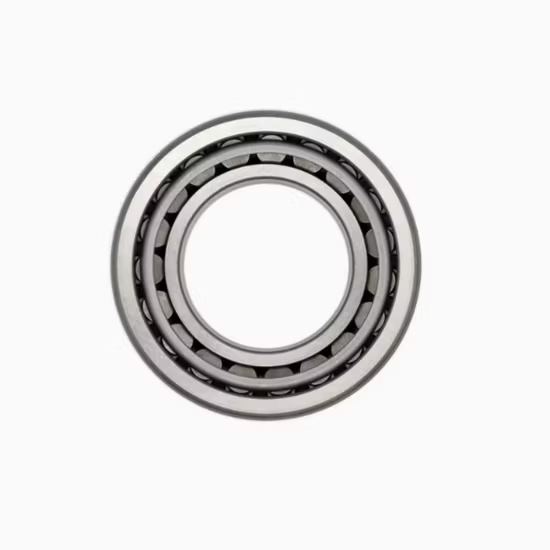
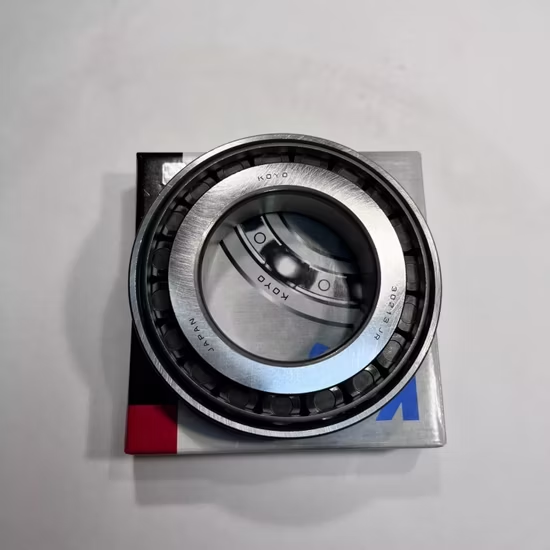
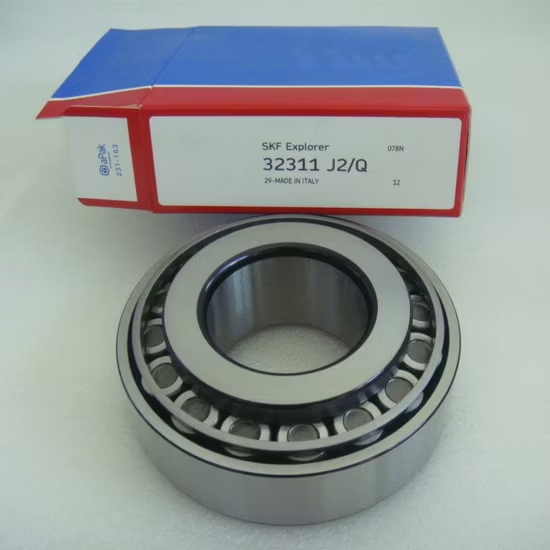
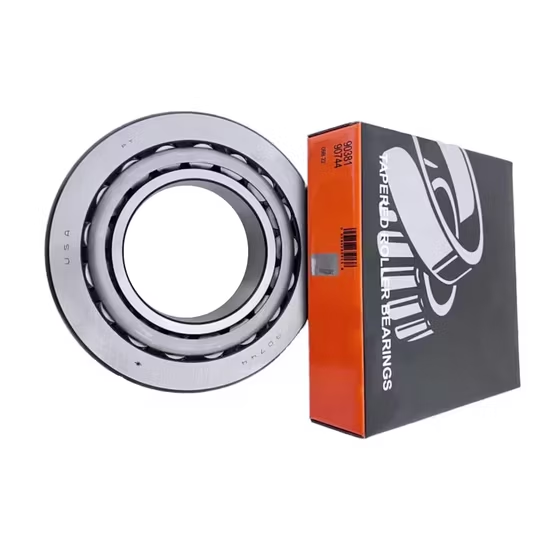
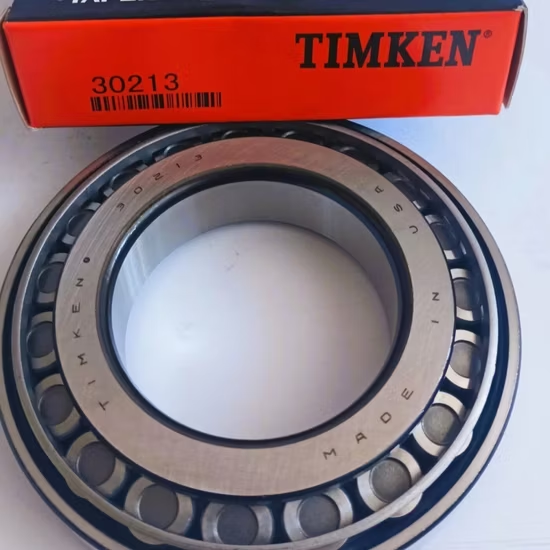
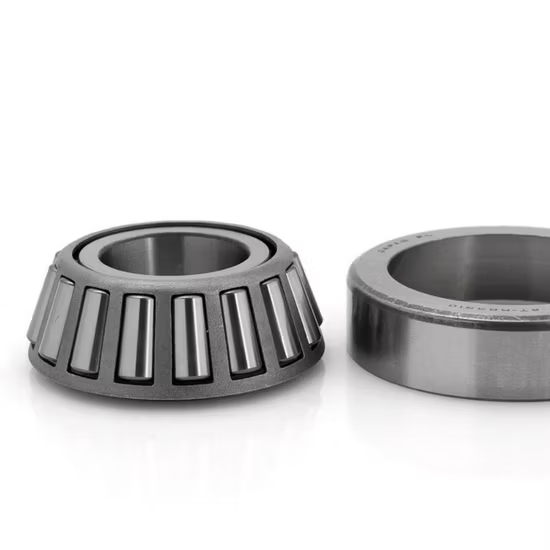
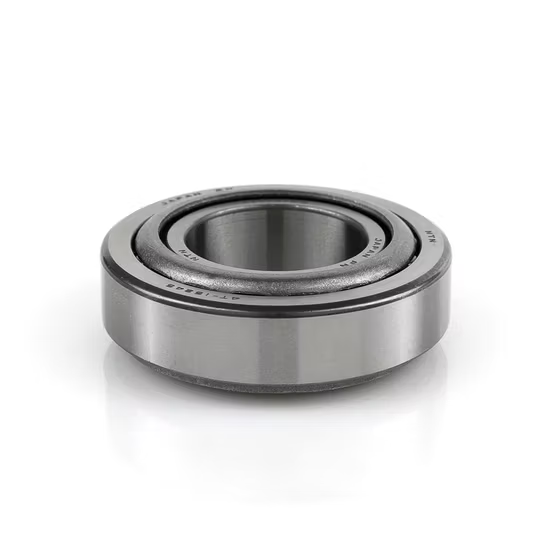
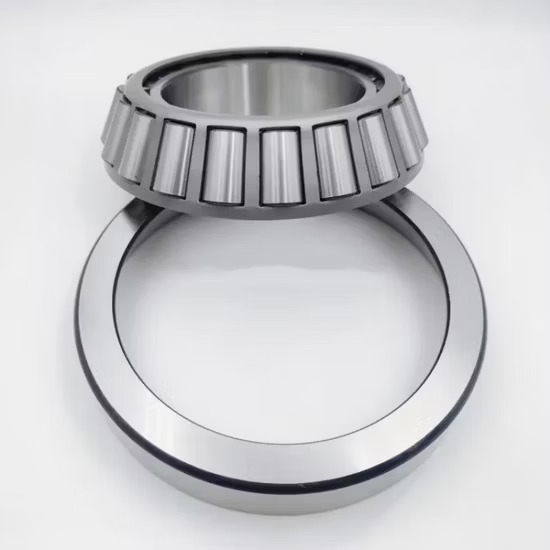
30200 30201 Tapered Roller Bearing P4 — single row configuration manufactured from Gcr15 bearing steel for automotive and industrial drivetrains.
Factory Batch Traceability — every 30200 30201 unit ships with verifiable lot records linking directly to the original production run.
| Parameter | Value |
|---|---|
| Designation | 30200 30201 |
| Bearing Type | Tapered Roller Bearing |
| Number of Rows | Single Row |
| Precision Class | P4 |
| Material | Gcr15 Bearing Steel |
| Cage Material | Available in Nylon, Brass, or Iron variants |
| Feature Options | Low Noise, High Speed, Long Service Life |
| Origin | Shanghai |
| Industry | Typical Applications |
|---|---|
| Automotive & Heavy Vehicle | Wheel hub assemblies, truck axle differentials |
| Industrial Power Transmission | Heavy-duty gearbox shaft supports, marine drive reduction units |
| Material Handling | Forklift mast rollers, conveyor drive pulleys |
Matching the base designation without verifying internal geometry is the primary cause of thermal binding in heavy vehicle hubs.
During my years handling aftermarket warranty claims in the Pearl River Delta, I inspected countless failed wheel hubs where the base part number matched perfectly, yet the inner ring suffered premature spalling. The root cause was often a cross-reference error: the replacement part lacked the specific internal design or precision grade required for the application. When a standard P0 grade is forced into a high-speed hub designed for tighter tolerances, or when internal clearances are ignored, the resulting friction generates excessive heat. This thermal expansion eliminates the operational clearance, leading to catastrophic seizure . Sourcing a genuine 30200 30201 tapered roller bearing requires looking far beyond the stamped numbers on the outer ring.
Automotive wheel hubs and industrial gearboxes subject bearings to complex combined loads and continuous rotational stress. The P4 precision class of this 30200 30201 tapered roller bearing provides the tighter dimensional and running accuracy necessary to maintain stable oil film thickness under these conditions. By minimizing geometric deviations, the bearing reduces vibration and heat generation, directly supporting the low-noise and high-speed operational requirements of modern drivetrains.
Wheel hubs and axle assemblies endure heavy radial loads coupled with significant axial thrust during cornering, alongside severe shock loads from road impacts. These combined forces demand a bearing capable of maintaining structural integrity without localized stress concentrations. Furthermore, continuous operation elevates internal temperatures, making the initial internal clearance critical. If the clearance is too tight, thermal expansion will cause the rollers to bind against the raceways; if too loose, excessive skidding damages the cage . Proper lubrication intervals and selecting the correct cage material are equally vital to dissipate friction heat and prevent contaminant ingress in dusty or wet environments.
The specification of Gcr15 high-carbon chromium bearing steel ensures the rings and rolling elements achieve the deep through-hardening necessary to resist surface fatigue and spalling under heavy contact stresses. Paired with a P4 precision rating, the manufacturing tolerances for bore diameter, outside diameter, and running accuracy are held to much stricter limits than standard commercial grades. This precision ensures that the load is distributed evenly across all rollers rather than concentrating on a few high points. Depending on the specific thermal and speed requirements of your gearbox or hub, the cage can be specified in Nylon for high-speed, low-friction environments, Brass for high-vibration and heavy-load durability, or Iron for standard cost-effective operation.
Installing a bearing that matches the base number but features the wrong internal geometry or precision class inevitably leads to unplanned downtime. In heavy vehicle repair, a seized wheel hub doesn't just mean replacing the bearing; it often results in catastrophic damage to the axle spindle, brake assemblies, and surrounding seals. According to ISO 281 frameworks, operating a bearing outside its designed clearance and precision parameters drastically reduces its calculated fatigue life . The resulting warranty voidance and emergency freight costs far exceed the initial savings of purchasing an unverified, incorrectly specified component.
We eliminate the guesswork in cross-referencing by verifying not just the base number, but the exact precision class and internal geometry your equipment demands. While others might supply a standard P0 part when a P4 is required, we ensure the 30200 30201 matches your specific thermal and load profiles. Our inventory provides full batch traceability, allowing you to scan official QR codes to confirm authenticity and avoid the soft inner rings common in counterfeit markets. Furthermore, we offer comprehensive cross-reference alignment for inch-series equivalents like 11949/10 and 44649/10, ensuring the cage material and precision suffixes align perfectly with your OEM specifications.
To ensure the selected bearing perfectly matches your application, please provide the specific radial and axial loads, operational speeds, and expected temperature ranges. Sharing the exact OEM equipment number or housing dimensions allows our engineering team to perform a thorough cross-reference check and L10 life calculation. If you are replacing an existing unit, detailing the failure mode of the previous bearing helps us recommend the optimal cage material and clearance class for your specific operating environment.
Q: How do I verify the authenticity of the 30200 30201 upon delivery?
A: Every unit includes official QR verification codes that can be scanned using the manufacturer's official mobile application. This digital check confirms the batch number, production date, and origin, ensuring you have received genuine Gcr15 steel components rather than counterfeit parts with inadequate inner ring hardness.
Q: Why is the P4 precision class critical for wheel hub applications?
A: P4 precision ensures significantly tighter dimensional and running accuracy compared to standard P0 grades. In high-speed automotive hubs, this strict tolerance maintains a stable lubricant film, minimizes vibration, and prevents the localized stress concentrations that lead to premature raceway spalling and thermal seizure.
Q: How do I choose between Nylon, Brass, and Iron cages for this bearing?
A: Nylon cages offer low friction and are ideal for high-speed, moderate-temperature environments. Brass cages provide superior durability and resistance to high vibration and heavy shock loads typical in off-highway truck axles. Iron cages offer a reliable, cost-effective solution for standard industrial gearbox applications with stable operating conditions.
Q: What cross-reference checks are performed for inch-series equivalents like 11949/10?
A: When cross-referencing to inch-series designations like 11949/10 or 44649/10, we verify that the internal geometry, precision class, and cage material match your exact requirements. We do not merely match the base numbers; we ensure the internal design prevents the thermal binding caused by overlooking critical suffix details.
Our 5-step process ensures every order is engineered, validated, and supported for optimal performance.
Technical needs assessment
Custom specifications
Free samples for $50k+
Pre-shipment inspection
On-site & predictive
Our certified engineers respond within 24 hours with detailed technical specifications, pricing, and lead time information.