01
Consultation
Technical needs assessment

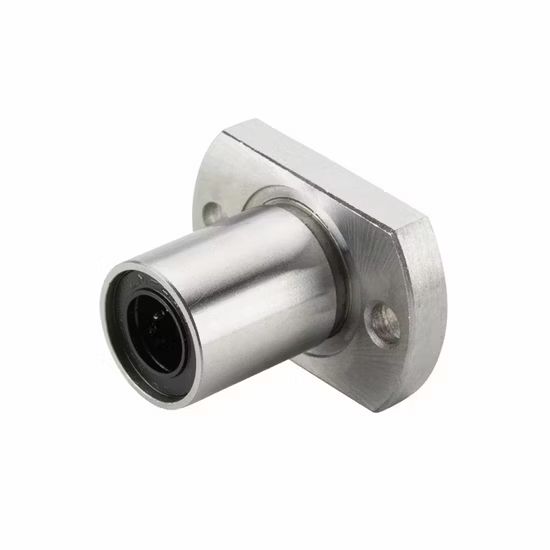

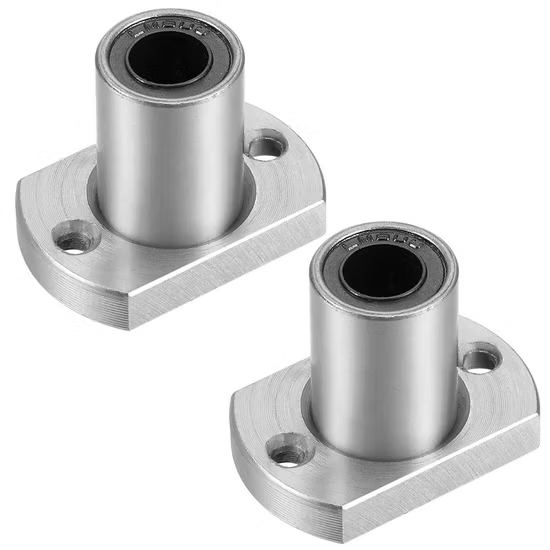

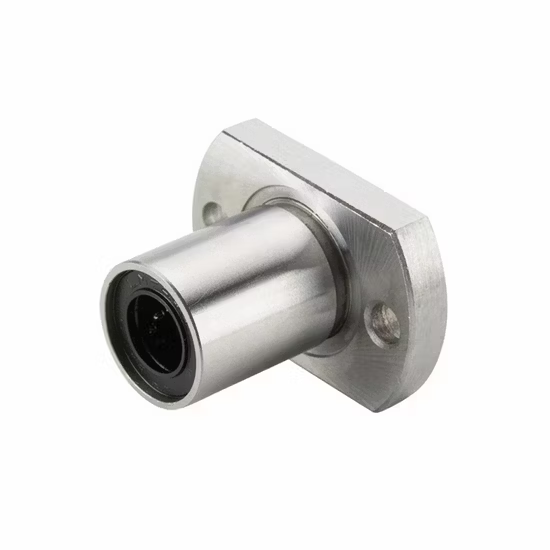

Lmh20luu Linear Bearing 20 mm — features bearing steel construction and a nylon cage for high-speed, low-noise operation.
Multi-Brand Authorized Coverage — Source the Lmh20luu alongside SKF, FAG, and NSK components in a single consolidated shipment with unified batch traceability.
| Parameter | Value |
|---|---|
| Designation | Lmh20luu |
| Bearing Type | Linear Bearing |
| Bore Diameter (d) | 20 mm |
| Flange Shape | Circular |
| Shape | Open |
| Material | Bearing Steel |
| Cage Material | Nylon |
| Seal Type | Double-sided contact seals (UU) |
| Precision Class | P0, P6, P5, P4, P2 |
| Features | High Speed, Low Voice, High Temperature |
Note: The 'H' and 'L' suffixes in this designation are unverified standard variants and require manufacturer catalog confirmation for exact dimensional offsets.
| Industry | Typical Applications |
|---|---|
| Machine Tools | CNC routing tables and precision spindle feed mechanisms |
| Industrial Automation | Robotic gantry systems and automated pick-and-place units |
| Packaging Machinery | High-speed linear actuators in automated sealing lines |
| Material Handling | Guide rails for automated storage and retrieval systems |
A secure mounting interface prevents the micro-deflections that destroy linear accuracy.
In high-vibration automation setups, a circular flange design provides the necessary mounting footprint to resist moment loads. When procurement engineers overlook the flange geometry during cross-referencing, they often substitute standard open types that lack this stabilizing base. This mismatch leads to guide rail deflection under dynamic loads, causing premature binding and catastrophic wear on the shaft . Sourcing the exact Lmh20luu linear bearing ensures the mounting interface matches the original equipment manufacturer's structural intent.
Selecting the right guide requires looking beyond basic shaft diameter. The Lmh20luu linear bearing integrates a circular flange that distributes mounting stresses evenly across the carriage plate. This specific geometry is critical for multi-axis CNC machines where cutting forces induce complex moment loads. By verifying the exact flange shape and length variant during the technical review, we prevent the structural flex that typically compromises machining tolerances in high-speed routing applications.
Linear motion systems in packaging and material handling face relentless particulate contamination and continuous vibration. The double-sided UU contact seals are essential for retaining lubrication and blocking debris ingress, yet they introduce friction that must be managed at high speeds. Furthermore, high-vibration environments demand careful attention to the internal cage structure; ignoring cage material compatibility often results in fatigue cracking. Proper alignment during installation is equally critical to prevent uneven load distribution across the recirculating ball paths .
The internal design of this unit relies on a nylon cage to facilitate high-speed, low-noise operation by minimizing friction between the recirculating balls. This polymer structure is vastly superior to stamped steel alternatives in high-vibration scenarios, where metal cages are prone to resonance-induced fracture. The UU suffix guarantees double-sided contact seals, creating a vital barrier against dust in automated assembly lines. Additionally, the availability of precision classes up to P2 allows engineers to specify the exact running accuracy required for精密 optical inspection equipment, ensuring the Lmh20luu linear bearing meets strict geometric tolerances.
Substituting a standard linear bushing for a flanged, long-type variant introduces severe operational risks. Without the extended load-bearing surface, the carriage experiences edge loading that rapidly accelerates fatigue spalling on the shaft. This unplanned downtime disrupts entire production lines and voids equipment warranties. According to structural failure frameworks, ignoring the precise length and flange configuration guarantees premature system collapse under dynamic cycling .
Our distribution network covers all major international brands, allowing you to consolidate mixed-brand MRO requirements into a single order. We actively prevent cross-reference errors by verifying not just the 20mm bore, but the exact circular flange profile and UU seal configuration. Every shipment includes batch traceability to the manufacturer, verified via official brand apps. Furthermore, our application-based selection review evaluates your specific load and speed parameters to ensure the chosen precision class and cage material will withstand your operational environment.
To ensure optimal performance, please provide your specific radial and axial load profiles, travel speeds, and operating temperatures. Sharing the OEM equipment designation allows our engineering team to perform a rigorous cross-reference check, confirming the flange and length variants match your existing rails. This technical review guarantees the selected configuration aligns perfectly with your automation requirements.
Q: What dimensional differences exist between standard LM and flanged variants?
A: Standard open types lack the mounting plate, requiring separate pillow blocks. Flanged variants integrate a circular or square mounting base directly into the carriage body, providing superior rigidity against moment loads. Always verify the exact flange shape and length suffix to ensure physical compatibility with your existing mounting brackets and rail spacing.
Q: How do nylon cages compare to steel cages in high-vibration environments?
A: Nylon cages offer superior damping characteristics and lower friction, making them ideal for high-speed, low-noise applications. In high-vibration setups, stamped steel cages are susceptible to resonance-induced fatigue and fracture, which can lead to sudden carriage lock-up. Selecting the correct polymer structure is critical for maintaining smooth linear motion under dynamic stress.
Q: Which precision class is required for CNC machines versus packaging lines?
A: High-speed CNC routing tables typically demand P4 or P2 precision to maintain tight machining tolerances and prevent surface finish defects. Standard automated packaging machinery can often operate reliably with P6 or P0 classes. Matching the precision rating to the specific geometric requirements of your application prevents unnecessary costs while ensuring operational accuracy.
Q: How can I verify the authenticity of the linear guides upon delivery?
A: Authenticity is confirmed through official brand applications that scan the QR codes on the packaging, linking the physical product to the manufacturer's database. Additionally, requesting batch traceability documents and dimensional inspection reports ensures the received components meet the specified tolerances and material standards before they are integrated into your machinery.
Our 5-step process ensures every order is engineered, validated, and supported for optimal performance.
Technical needs assessment
Custom specifications
Free samples for $50k+
Pre-shipment inspection
On-site & predictive
Our certified engineers respond within 24 hours with detailed technical specifications, pricing, and lead time information.