01
Consultation
Technical needs assessment

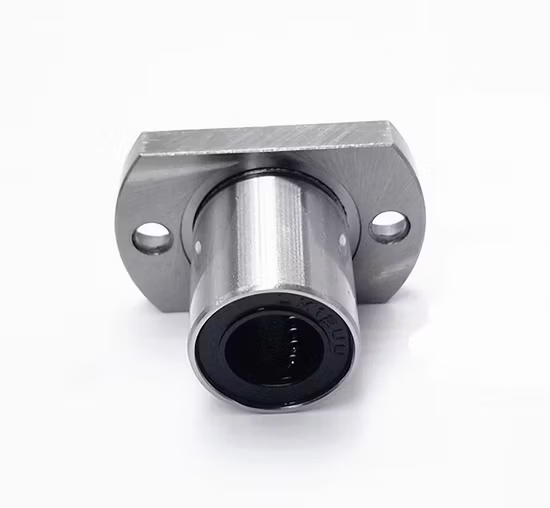

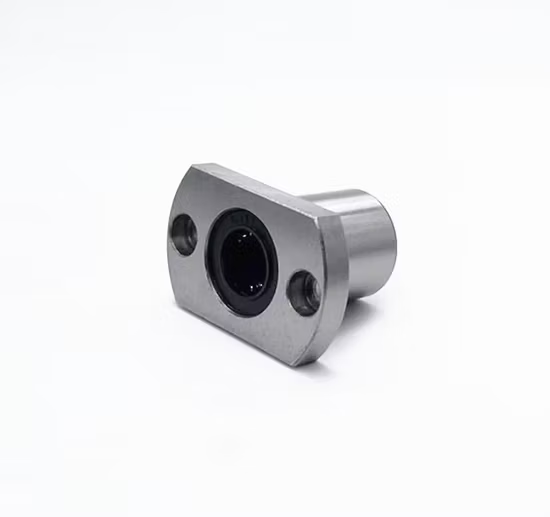
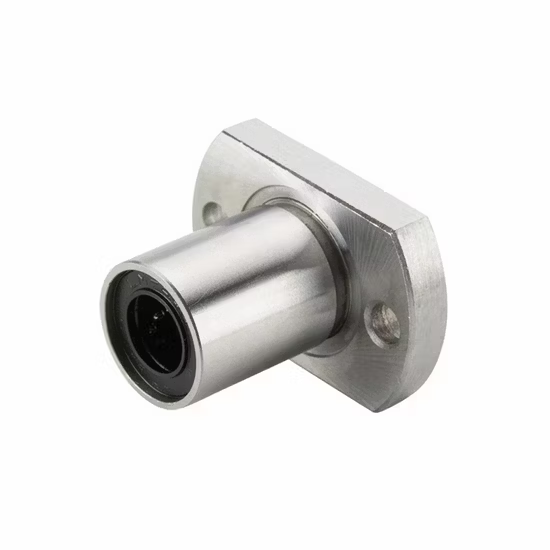
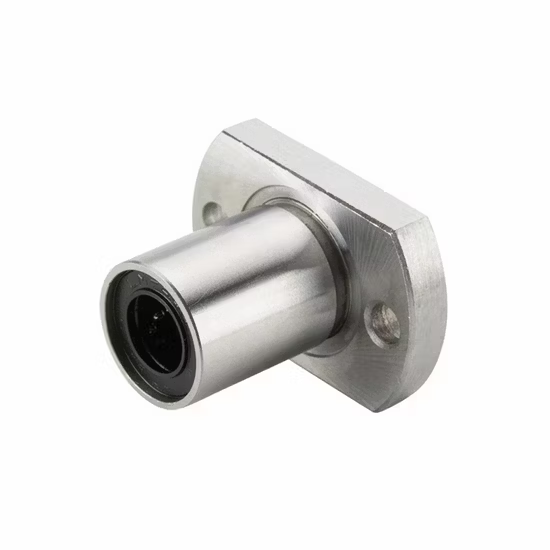
Lmh12uu Linear Bearing integrates double-sided contact seals denoted by the uu suffix for effective contamination protection, combined with a nylon cage to ensure low-noise, high-speed operation. The circular flange and open shape provide flexible mounting options for precision automation, utilizing bearing steel and available in precision ratings up to P2.
Cross-reference alignment verified — Base designation, circular flange shape, and internal clearance are strictly matched to prevent carriage binding in automated slides.
| Parameter | Value |
|---|---|
| Designation | Lmh12uu |
| Bearing Type | Linear Bearing |
| Series | LM |
| Flange Shape | Circular |
| Shape | Open |
| Material Options | Bearing Steel (standard), Stainless Steel variants available |
| Cage Material | Nylon |
| Seal Type | Double-sided contact seals |
| Precision Class | P0, P6, P5, P4, P2 |
| Feature | High Speed, Low Noise |
| Origin | Germany / Japan / Sweden / Malaysia / China |
Note: The 'h' suffix in the designation is an unverified manufacturer-specific modifier and requires catalog confirmation for exact internal geometry details.
| Industry | Typical Applications |
|---|---|
| CNC Machining | Tool changer slides and spindle positioning carriages |
| Automation & Robotics | High-speed reciprocating pick-and-place arms |
| Precision Measurement | Coordinate measuring machine (CMM) guide rails |
| Packaging Machinery | Linear actuator carriages for sealing and cutting stations |
Internal clearance loss from mismatched housing tolerances causes premature cage fragmentation.
In automated assembly projects across Shenzhen, I have seen countless linear slides freeze mid-cycle, halting entire production lines. The root cause is rarely the bearing steel itself, but rather out-of-tolerance bore dimensions in counterfeit or poorly cross-referenced units. When the housing compresses the outer sleeve even slightly, the rolling elements bind against the shaft, generating excessive friction heat and eventually shattering the nylon retainer .
High-speed automated equipment demands components that maintain fluid motion without generating excessive acoustic noise. The Lmh12uu linear bearing achieves this through its optimized nylon cage design, which reduces sliding friction and dampens vibration during rapid directional changes. By ensuring strict dimensional accuracy across the ball circuit, we prevent the micro-stutters that typically degrade positioning repeatability in precision CNC routing tables.
Continuous reciprocating motion generates localized heat, which can alter the internal fit between the bearing sleeve and the shaft. If the housing bore is machined too tightly, thermal expansion leaves no room for the rolling elements to roll freely, shifting the motion from rolling to sliding. Furthermore, the double-sided contact seals must effectively block metallic debris and coolant mist without introducing drag that compromises the smooth travel required for high-precision measuring instruments .
The nylon cage is critical for this application, as it maintains ball spacing while minimizing weight and inertia during high-speed acceleration. Compared to steel retainers, the polymer material offers superior damping characteristics, which directly translates to the low-noise operation required in cleanroom or laboratory automation. The double-sided contact seals indicated by the suffix protect the internal rolling surfaces from particulate ingress, though they require careful consideration of the operating temperature to ensure the seal lips do not harden and lose their protective interference fit.
Installing a linear bearing with an unverified internal geometry or substandard cage material leads to unpredictable positioning errors and unplanned downtime. When the nylon cage fragments due to poor molding quality or thermal overload, the loose debris scores the hardened shaft, causing catastrophic damage to the entire linear motion module. According to failure analysis frameworks, such secondary damage often voids equipment warranties and forces complete carriage replacements rather than simple component swaps .
We address the prevalent issue of cross-reference errors by verifying not just the base number, but the exact flange shape and internal clearance required for your specific housing. Our batch traceability ensures that every unit shipped can be tracked back to the manufacturer's production facilities, eliminating the risk of soft inner rings that plague the aftermarket. We provide application-based selection reviews to confirm that the chosen precision class and seal type align with your machine's load and speed parameters.
To ensure optimal performance and prevent carriage binding, please provide the radial and axial load profiles, maximum travel speed, and operating temperature range of your automated equipment. Sharing the OEM equipment number or detailed housing bore tolerances allows our engineering team to perform a precise cross-reference check and confirm the suitability of the selected clearance and precision class for your specific application.
Q: How do I verify the authenticity and batch traceability of these linear bearings?
A: Every unit we supply includes batch traceability documentation and a verifiable QR code. You can scan this code using the manufacturer's official application to confirm the origin, material specifications, and production date, ensuring you receive genuine components rather than visually identical counterfeits with compromised internal tolerances.
Q: What cross-reference parameters matter beyond the base designation?
A: Matching the base number is insufficient. We verify the flange shape, internal clearance, and cage material to ensure compatibility with your housing and shaft. Overlooking these details often results in thermal binding or premature cage failure when the unit is subjected to high-speed reciprocating loads.
Q: How do I choose the right precision class for automated assembly lines?
A: Standard P0 or P6 classes suffice for general material handling, but high-speed CNC machines and precision measuring instruments require P5, P4, or P2 tolerances. Selecting the correct class ensures minimal radial play, maintaining strict positioning accuracy and preventing micro-vibrations during rapid directional changes.
Q: What are the selection boundaries for nylon versus steel cages?
A: Nylon cages are preferred for high-speed, low-noise applications due to their lightweight and damping properties. However, if your operating environment involves elevated temperatures beyond the polymer's thermal limit or exposure to aggressive chemical solvents, we can discuss alternative retainer materials or specialized seal configurations to ensure reliability.
Our 5-step process ensures every order is engineered, validated, and supported for optimal performance.
Technical needs assessment
Custom specifications
Free samples for $50k+
Pre-shipment inspection
On-site & predictive
Our certified engineers respond within 24 hours with detailed technical specifications, pricing, and lead time information.