01
Consultation
Technical needs assessment

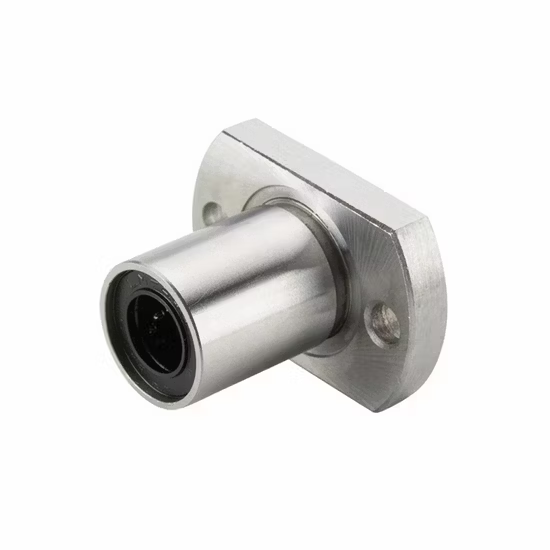
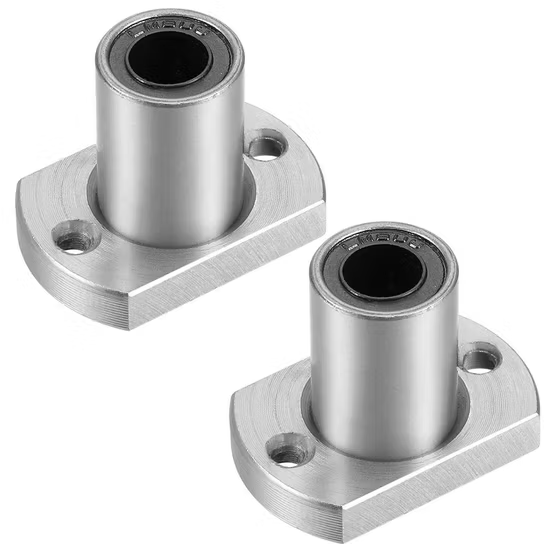
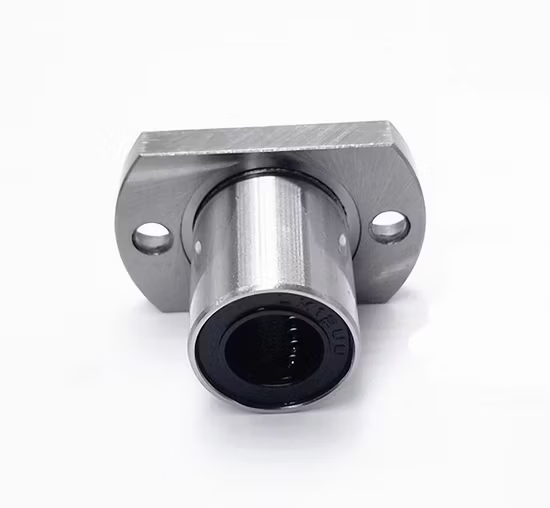

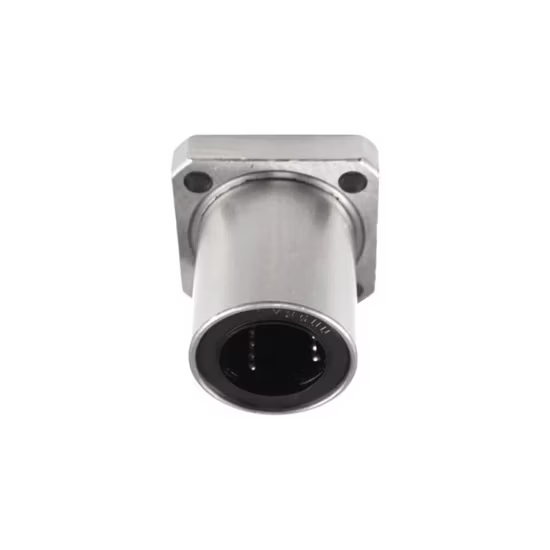
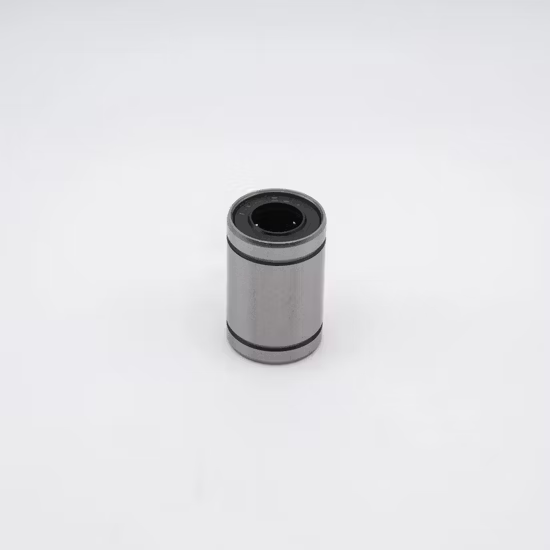
Lmh12luu Lmh13luu Lmh16luu Linear Bearing 12/13/16 mm — bearing steel construction with nylon cages ensures smooth, low-noise motion for automation systems.
Mixed-Brand Fulfillment — Consolidating Lmh12luu Lmh13luu Lmh16luu linear bearing requirements across multiple international manufacturers into a single traceable shipment.
| Parameter | Value |
|---|---|
| Designation | Lmh12luu Lmh13luu Lmh16luu |
| Product Type | Linear Bearing |
| Series | LM |
| Flange Shape | Circular |
| Shape | Open |
| Material | Bearing Steel |
| Cage Material | Nylon Cage |
| Precision Rating | P0, P6, P5, P4, P2 |
| Feature | High Speed, Low Voice |
| Origin | Germany, Japan, Sweden, Malaysia, China |
Note: The 'H' and 'LUU' suffixes denote heavy-duty and long-type sealed variants respectively; specific dimensional tolerances for these unverified suffixes require manufacturer catalog confirmation.
| Industry | Typical Applications |
|---|---|
| CNC Machinery | High-speed spindle traverse mechanisms and precision tool changers |
| Automation Equipment | Multi-axis robotic gantry systems and high-frequency pick-and-place arms |
| Material Handling | Automated guided vehicle steering columns and conveyor diverters |
| Precision Measuring | Coordinate measuring machine probing axes and optical inspection stages |
Premature carriage seizure usually stems from ignored internal geometry rather than external load limits.
When procuring replacement components for high-speed automation, buyers frequently focus solely on the base shaft diameter. This oversight leads to cross-reference errors where the fundamental dimensions align, but critical internal variations are missed. Installing a standard length unit where a long-type sealed variant was specified compromises the moment load capacity, causing the carriage to rock and bind under dynamic conditions. Furthermore, ignoring the compatibility between the nylon cage and the specific lubricant used in the housing accelerates wear, turning a minor specification mismatch into a complete line stoppage.
Selecting the correct Lmh12luu Lmh13luu Lmh16luu linear bearing for automated gantries requires evaluating the moment loads generated during rapid deceleration. The open shape and circular flange design allow for precise integration into custom aluminum extrusions, but the internal ball circuit must handle the specific radial and axial vectors. By verifying the exact flange geometry and cage material against the original equipment manufacturer's blueprint, we ensure the replacement unit maintains the required rigidity without introducing parasitic friction.
In high-speed reciprocating applications, friction generates localized heat that alters the internal clearance of the carriage. If the thermal expansion of the shaft and the housing are not accounted for, the bearing can experience thermal binding, leading to catastrophic cage failure. Additionally, environments with airborne particulates demand effective sealing; however, contact seals introduce drag that limits maximum velocity. Balancing the need for contamination exclusion with the requirement for low-friction, high-speed operation dictates the precise seal type and lubrication interval.
The base designation indicates the nominal shaft diameter, but the suffixes define the operational boundaries. The nylon cage material is selected for its low mass and high-speed stability, reducing noise and vibration compared to metallic alternatives. The open shape allows the housing to clamp directly onto the bearing outer cylinder, enabling fine-tuning of the internal clearance to eliminate play. Precision ratings ranging from P0 to P2 dictate the straightness and parallelism of the travel, which is critical for optical inspection stages where micron-level deviations ruin product yield.
Assuming that any unit with the correct bore diameter will function interchangeably ignores the proprietary internal circuit designs of different manufacturers. A mismatch in the ball recirculation angle or the end-cap geometry causes uneven load distribution across the rolling elements. According to linear motion degradation frameworks, this localized stress leads to premature spalling on the shaft and the carriage raceways. The resulting unplanned downtime and secondary damage to the drive motors far exceed the initial savings of sourcing an unverified alternative.
Our procurement process prevents the installation of counterfeit units with soft inner rings by enforcing strict batch traceability to the manufacturer. We address the common error of mismatched seal types by verifying the exact suffix requirements for your specific contamination environment. Instead of relying on superficial visual checks, we provide dimensional and running accuracy inspection reports to confirm the precision class before dispatch. This technical scrutiny ensures that the cross-referenced unit matches the original equipment in load capacity, thermal behavior, and mounting geometry.
To ensure the selected unit meets your dynamic requirements, provide the radial and axial load profiles, maximum traverse speeds, and operating temperature ranges. Sharing the original equipment manufacturer's part number allows our engineering team to perform a comprehensive cross-reference check, verifying that all internal geometry and seal variations align perfectly. This technical review prevents field failures and ensures optimal L10 life calculation for your specific automation application.
Q: How can I verify the authenticity of these linear bearings using official brand apps?
A: You can scan the QR code on the packaging using the manufacturer's official mobile application. This verifies the batch number and confirms the unit was produced in their authorized facilities, protecting your automation lines from counterfeits that feature soft inner rings and cloned visual markers.
Q: Why must clearance and cage material align during cross-referencing?
A: Matching only the base shaft diameter ignores internal thermal expansion requirements and high-speed stability. If the cage material or internal geometry differs, the carriage may experience thermal binding or excessive vibration, leading to premature failure in high-speed reciprocating applications.
Q: What are the differences between standard and long-type linear bearing variants?
A: Long-type variants feature an extended outer cylinder length, which increases the load-bearing contact area. This design significantly improves the moment load capacity and rigidity of the carriage, making it essential for applications where the load center is distant from the support block.
Q: How do I select the correct seal type for high-dust automation environments?
A: High-dust environments require contact seals to prevent particulate ingress into the ball recirculation circuit. However, contact seals introduce friction; therefore, the selection must balance contamination exclusion with the maximum velocity requirements of your specific gantry or traverse mechanism.
Our 5-step process ensures every order is engineered, validated, and supported for optimal performance.
Technical needs assessment
Custom specifications
Free samples for $50k+
Pre-shipment inspection
On-site & predictive
Our certified engineers respond within 24 hours with detailed technical specifications, pricing, and lead time information.