01
Consultation
Technical needs assessment


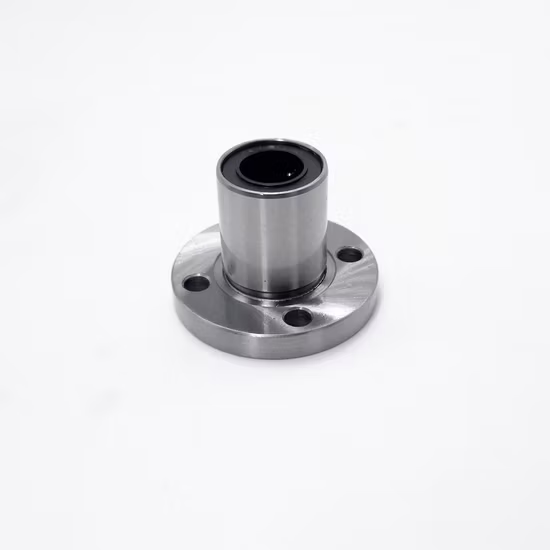
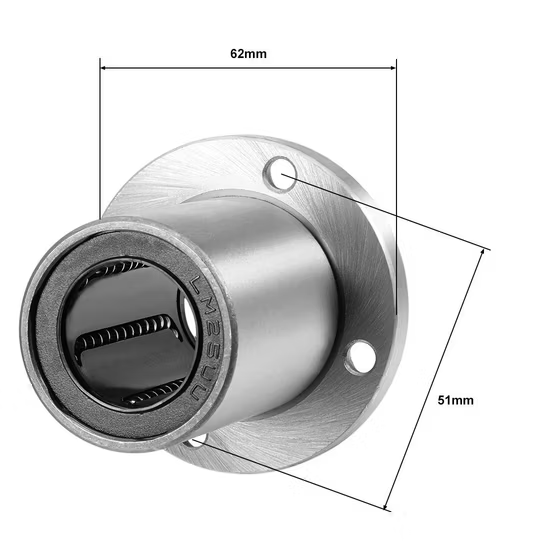
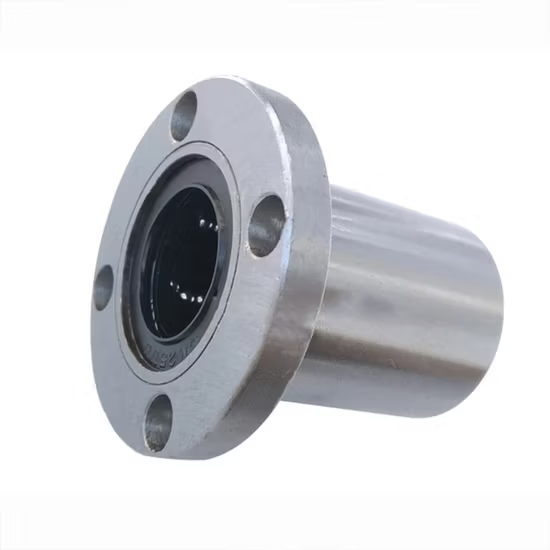


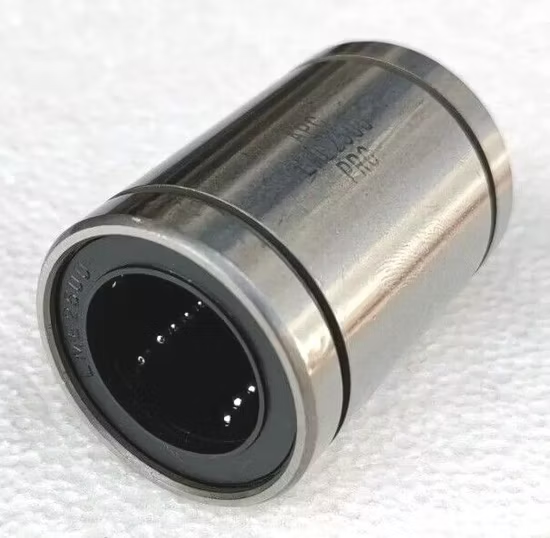
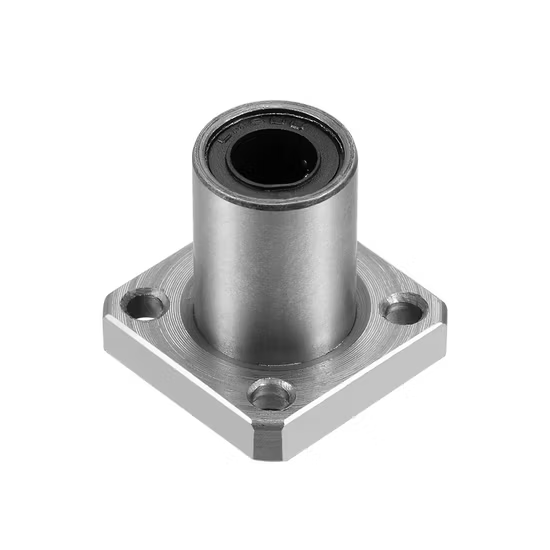
LMF12LUU LMF13LUU LMF16LUU Linear Bearing — circular flange design with bearing steel construction and nylon cage for high-speed, low-noise linear motion systems.
Official App QR Verification — Scan the manufacturer's code on each LMF12LUU LMF13LUU LMF16LUU linear bearing to confirm batch authenticity directly.
| Parameter | Value |
|---|---|
| Designation | LMF12LUU LMF13LUU LMF16LUU |
| Bearing Type | Linear Bearing |
| Flange Shape | Circular |
| Series | LM |
| Material Options | Available in bearing steel variants |
| Cage Material Options | Available in nylon variants |
| Features | High Speed, Low Voice |
| Precision Class | P0, P6, P5, P4, P2 |
Note: The F and LUU suffixes denote flange type and long sealed configurations respectively, representing standard industry designations that require manufacturer catalog confirmation for exact dimensional tolerances.
| Industry | Typical Applications |
|---|---|
| CNC Machining | Machine tool spindles and CNC routing tables |
| Automation | Material handling and automated assembly systems |
| Metrology | Precision equipment and measuring devices |
| Additive Manufacturing | 3D printer axis guidance and packaging machinery |
Sourcing the exact LMF12LUU LMF13LUU LMF16LUU linear bearing requires looking far beyond the basic designation to prevent catastrophic motion system failures.
A matching base number often masks critical internal discrepancies that destroy precision equipment. I have seen situations where the external dimensions aligned perfectly, yet the internal cage material was entirely unsuited for high-speed traversal, resulting in rapid fragmentation and axis jamming. Ignoring these structural nuances leads to severe thermal binding and unplanned downtime . Procurement decisions based solely on superficial cross-references compromise the entire automated assembly line.
Selecting the correct LMF12LUU LMF13LUU LMF16LUU linear bearing demands a rigorous evaluation of the specific load profiles and traverse speeds inherent to your automation equipment. Our technical review process goes beyond basic catalog matching, analyzing the exact interaction between the circular flange mounting interface and the nylon cage dynamics to ensure stable, low-voice operation under continuous cycling conditions.
High-speed linear motion generates significant friction heat, which directly impacts the internal clearance and structural rigidity of the bearing assembly. When operating in environments with heavy particulate matter, the double-sided seal configuration must provide adequate contamination exclusion without introducing excessive friction that degrades the low-voice performance. Furthermore, the precision class selection dictates the allowable running accuracy, where thermal expansion from continuous operation can quickly eliminate necessary internal gaps if the initial tolerance is improperly specified .
The circular flange design provides a secure, flush mounting surface essential for maintaining strict parallelism in CNC routing tables and precision measuring devices. The long-type configuration with double-sided seals ensures that the internal rolling elements remain protected from environmental contaminants while retaining factory-applied lubrication. Selecting the appropriate precision class, ranging from standard P0 up to ultra-precise P2, is entirely dependent on the required positional accuracy and the acceptable vibration thresholds of the specific machine tool spindle or automated assembly system.
Overlooking the precise seal type or cage material compatibility inevitably results in premature system degradation and catastrophic damage to the guiding rails. According to failure analysis frameworks similar to ISO 15243, improper material selection in linear motion components accelerates wear and triggers unpredictable axis jamming . These specification errors void equipment warranties and force costly, unplanned downtime that severely disrupts production schedules.
We maintain authorized distribution channels that guarantee every batch is fully traceable to the manufacturer's production facilities, eliminating the risk of counterfeit components with soft inner rings. Our cross-reference alignment verifies the exact flange shape, length, and seal variants rather than just the base number, preventing the installation of incompatible units. We provide comprehensive application-based selection reviews that evaluate your specific load, speed, and temperature parameters to ensure optimal performance. Furthermore, our pre-shipment inspections confirm that the dimensional and running accuracy strictly match the selected precision class before dispatch.
To ensure optimal performance and prevent premature failure, please provide detailed operational parameters including radial and axial loads, maximum traverse speeds, and ambient temperature ranges for a comprehensive L10 life calculation. Supplying the specific OEM equipment number allows our engineering team to perform a rigorous cross-reference verification, confirming that the flange geometry and seal configuration perfectly match your machine's original design requirements.
Q: How can I verify the authenticity of these linear bearings before installation?
A: You can verify authenticity by scanning the manufacturer's QR code using the official brand application, which provides instant batch validation. We also supply comprehensive documentation, including a Certificate of Conformity and original batch traceability records, ensuring every unit is genuinely sourced through authorized distribution channels and fully compliant with your quality standards.
Q: Why is matching the base number insufficient when cross-referencing linear bearings?
A: Matching the base number often ignores critical variations in flange shape, overall length, and seal configurations. Installing a standard length unit instead of the required long-type sealed variant can lead to immediate contamination ingress and thermal binding. Our technical review ensures exact alignment of all suffixes and structural features to guarantee seamless integration into your specific automated equipment.
Q: How do I select the correct precision class for high-speed CNC applications?
A: High-speed CNC routing tables and precision measuring devices typically require tighter tolerance bands, such as P5 or P4, to maintain strict positional accuracy and minimize vibration. Standard P0 grades may introduce unacceptable runout under continuous high-speed cycling. We evaluate your specific speed and load parameters to recommend the optimal precision class that balances performance requirements with operational longevity.
Q: What are the operational benefits of nylon cages in high-speed linear motion?
A: Nylon cages offer a significantly lower weight compared to metallic alternatives, which reduces centrifugal forces and inertia during rapid directional changes. This material choice inherently dampens vibration and acoustic emissions, delivering the low-voice performance essential for cleanroom environments and precision metrology equipment, while maintaining excellent wear resistance under continuous high-speed traversal conditions.
Q: What mounting practices prevent premature binding in flange linear bearings?
A: Proper mounting requires strict shaft alignment and the use of appropriate pressing tools to avoid distorting the outer cylinder. Pressing forces must never be transmitted through the rolling elements or the nylon cage. Ensuring the circular flange sits perfectly flush against the mounting surface without inducing structural stress is critical to maintaining the internal clearance and preventing thermal binding during operation.
Our 5-step process ensures every order is engineered, validated, and supported for optimal performance.
Technical needs assessment
Custom specifications
Free samples for $50k+
Pre-shipment inspection
On-site & predictive
Our certified engineers respond within 24 hours with detailed technical specifications, pricing, and lead time information.