01
Consultation
Technical needs assessment

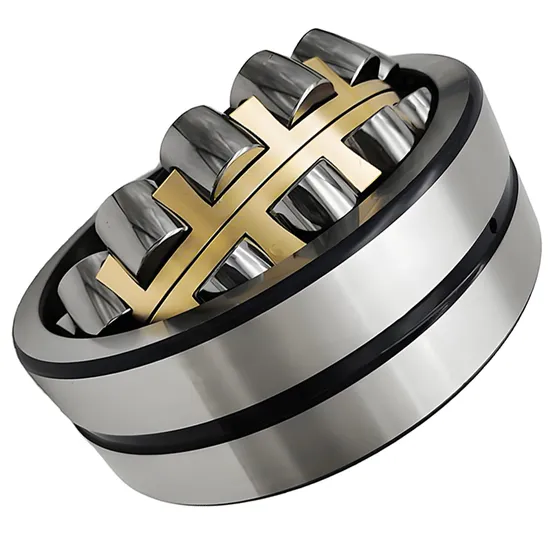
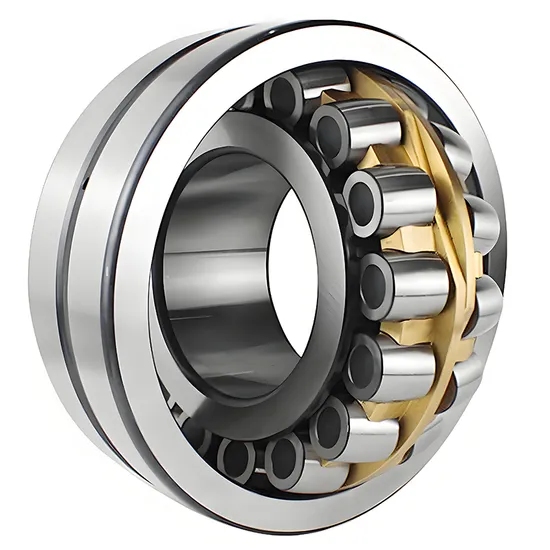
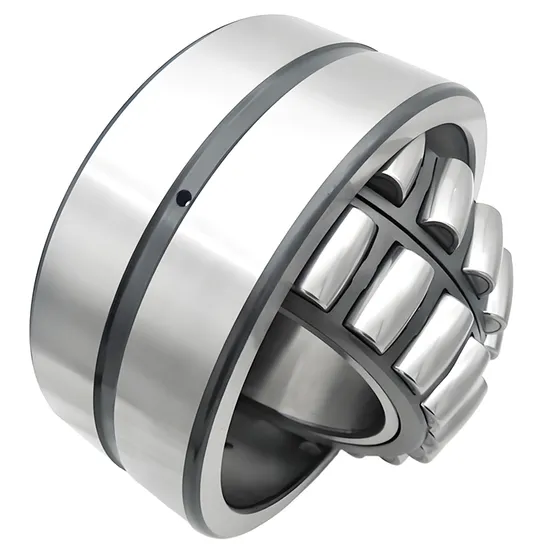
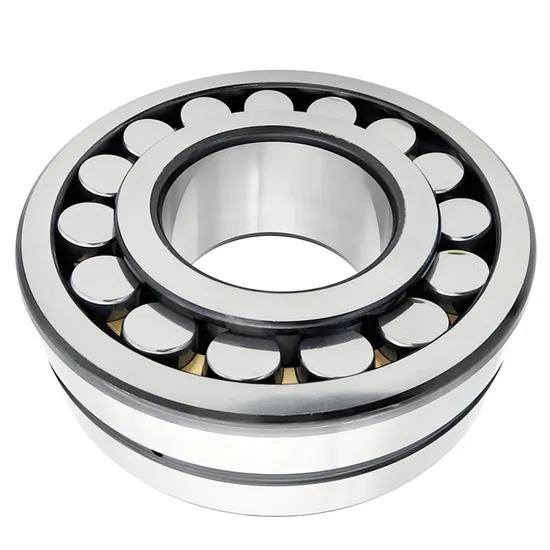
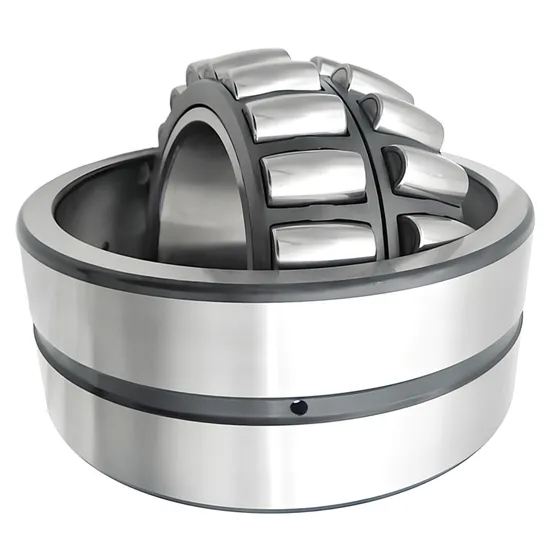
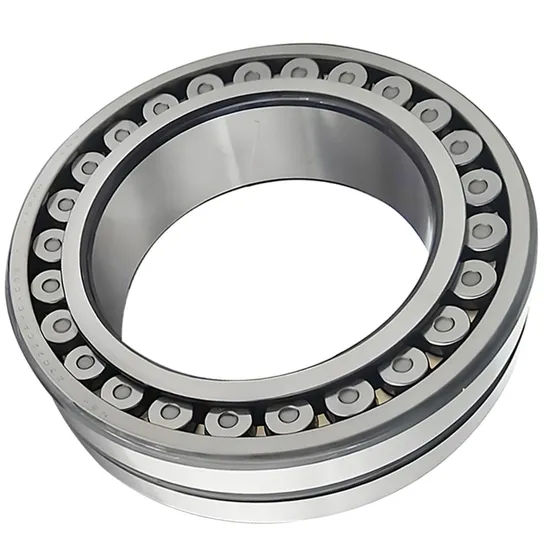
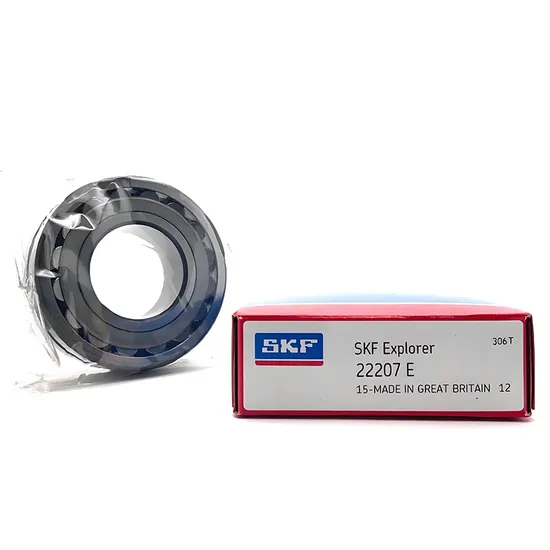
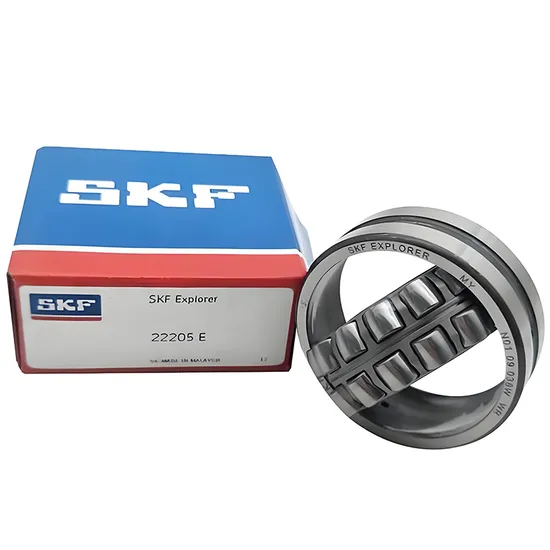
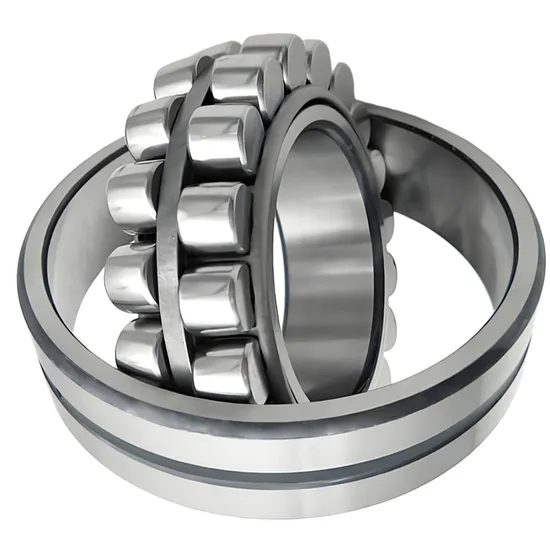
22315/22316/22317/22318/22319/22320 Spherical Roller Bearings — handle heavy radial loads, shock impact, and shaft misalignment in vibrating screens, crushers, and steel mill equipment.
Base designations require internal design and clearance confirmation before shipment.
Three-way cross-reference alignment — We verify internal design, clearance class, and cage material rather than relying solely on the base 22315/22316/22317/22318/22319/22320 designation.
| Parameter | Value |
|---|---|
| Designation | 22315/22316/22317/22318/22319/22320 |
| Bearing Type | Spherical Roller Bearing |
| Origin | Germany / Japan / Sweden / Malaysia / China |
| HS Code | 8482500090 |
| Customization | OEM trademark options available upon request |
| Industry | Typical Applications |
|---|---|
| Mining and Crushing | Jaw crusher eccentric shafts, vibrating screen激振器 bearings |
| Steel and Metallurgy | Continuous caster guide rolls, rolling mill work roll necks |
| Cement Production | Rotary kiln support rollers, clinker cooler fan shafts |
| Material Handling | Bucket elevator head pulleys, heavy-duty conveyor drive units |
Matching the base number is never enough for heavy shock load environments.
I have seen firsthand in Dubai how a simple clearance mismatch turns a routine maintenance swap into a catastrophic failure. When procurement teams source a 22315 22316 22320 spherical roller bearing supplier based purely on the base designation, they often receive standard CN clearance units. In a vibrating screen operating under intense friction and ambient heat, that standard clearance quickly disappears. The inner ring expands, the rollers bind against the raceway, and the bearing seizes solid, tearing up the shaft and halting the entire crushing line . Suffix accuracy is the only barrier between scheduled maintenance and unplanned downtime.
Selecting the right 22315 22316 22320 spherical roller bearing supplier requires looking past the catalog cover. In mining and cement applications, equipment faces severe misalignment and heavy radial loads combined with axial thrust. Our technical review process evaluates the specific shock load profile and thermal expansion characteristics of your machinery. By confirming the exact internal geometry and cage material required for your vibrating screens or crushers, we ensure the bearing can absorb the operational stresses without premature fatigue.
Heavy industrial environments introduce severe thermal gradients and abrasive dust. When a crusher shaft heats up during operation, the inner ring expands significantly more than the housing. If the internal clearance is not specified as C3 or C4 to compensate for this thermal growth, the bearing will preload itself into failure. Furthermore, abrasive silica dust from mining operations demands robust sealing solutions or specialized cage designs that prevent particle ingress while maintaining adequate lubrication flow . Ignoring these environmental variables guarantees a drastically shortened service life.
The base designations 22315/22316/22317/22318/22319/22320 do not specify the internal geometry, cage material, or clearance class, which must be confirmed via the manufacturer catalog for exact variants like CA, CC, E, or W33. For high-vibration equipment like vibrating screens, a machined brass cage is typically required to withstand the intense oscillating forces that would quickly fracture a standard pressed steel cage. Similarly, selecting the correct radial internal clearance is critical; while standard clearance suits general industrial gearboxes, high-temperature kiln applications demand increased clearance to prevent thermal binding during operation.
Failing to verify the complete suffix string leads to severe operational consequences. Installing a standard clearance bearing in a high-temperature application causes thermal binding, resulting in catastrophic cage failure and severe shaft scoring. According to ISO 281 standards, operating a bearing under unintended preload conditions drastically reduces its calculated fatigue life. This premature failure not only destroys the bearing but often damages the housing and shaft, leading to extensive machining repairs, voided equipment warranties, and massive losses from halted production .
We eliminate the guesswork that plagues multi-brand bearing procurement. Our cross-brand interchange process aligns the internal design, clearance, and cage material, ensuring a replacement unit performs identically to the original equipment specification. Because we hold authorized distribution across major international brands, a single purchase order can cover mixed-brand requirements for an entire plant overhaul. Every shipment includes complete batch traceability to the manufacturer, allowing your maintenance team to verify authenticity and material properties before the bearing ever leaves the storeroom.
To ensure precise selection and cross-reference alignment, please provide your specific operating parameters, including radial and axial loads, rotational speed, and operating temperature ranges. Sharing the original OEM equipment number or the exact failure mode of the previous bearing allows our engineering team to conduct a thorough L10 life calculation and recommend the optimal internal design. This technical review guarantees that the supplied units perfectly match your application demands.
Q: How do we verify the authenticity of the supplied bearings?
A: Every bearing we supply features a unique QR code linked to the manufacturer's official database. Your maintenance team can scan this code using the brand's official mobile app to instantly verify the production batch, origin, and authenticity, ensuring complete protection against counterfeit products with cloned packaging.
Q: Why is cross-referencing more than just matching the base number?
A: Matching only the base designation often overlooks critical internal variations. A replacement must align perfectly in internal geometry, radial clearance, and cage material to withstand the specific load and thermal conditions of your machinery, preventing premature binding or cage fracture in the field.
Q: What are the differences between CA, CC, and E internal designs?
A: These suffixes denote distinct internal geometries and cage configurations. CA and CC typically feature machined brass or pressed steel cages with specific roller guidance systems, while E designs often offer optimized roller profiles and higher load capacities. The correct choice depends entirely on your application's vibration and load characteristics.
Q: How do we select the right clearance class for vibrating screens?
A: Vibrating screens generate significant friction heat and operate under intense oscillating forces. These conditions typically require C3 or C4 clearance classes to accommodate thermal expansion of the shaft and prevent the rollers from binding against the raceway, which would otherwise lead to rapid thermal seizure.
Q: What mounting practices are recommended for large spherical roller bearings?
A: For cylindrical bore variants, induction heating is the preferred method to expand the inner ring safely without damaging the cage. For tapered bore designs, strict adherence to the manufacturer's drive-up distance or clearance reduction measurements is essential to achieve the correct operational preload and residual clearance.
Our 5-step process ensures every order is engineered, validated, and supported for optimal performance.
Technical needs assessment
Custom specifications
Free samples for $50k+
Pre-shipment inspection
On-site & predictive
Our certified engineers respond within 24 hours with detailed technical specifications, pricing, and lead time information.