01
Consultation
Technical needs assessment

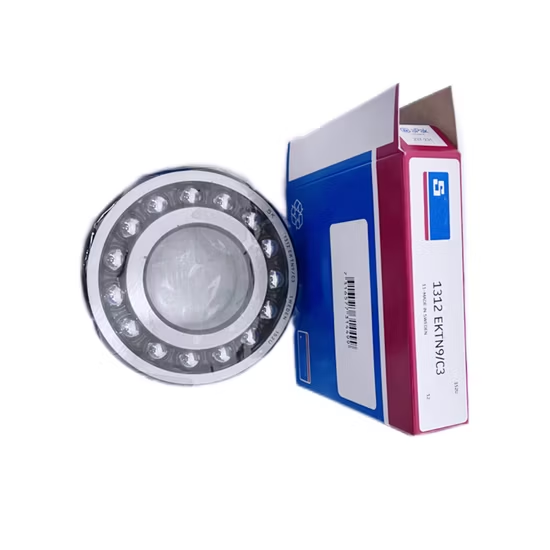


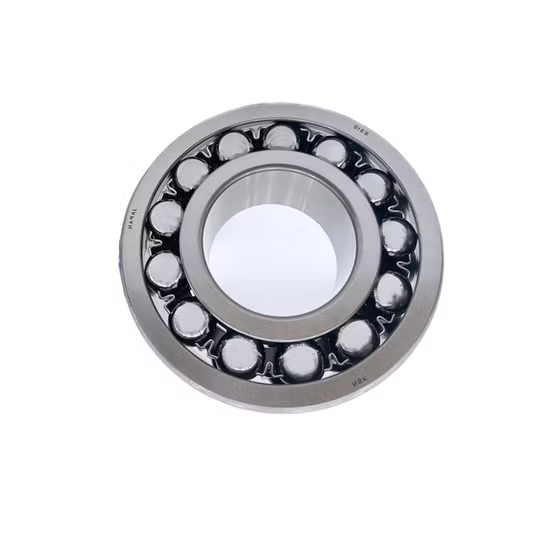


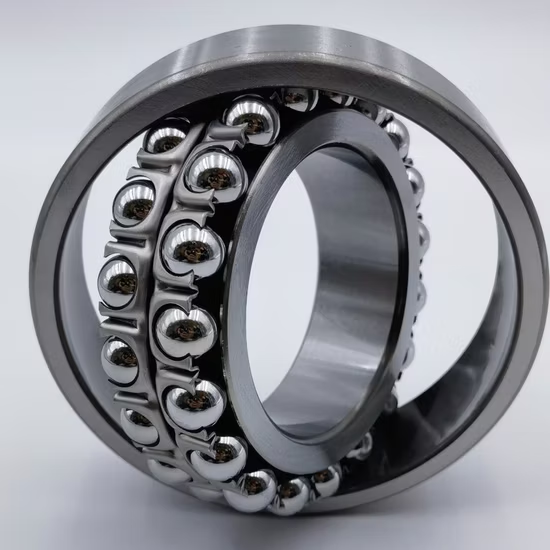
NSK NTN 1220 2220 1320 2320 Self-Aligning Ball Bearings — standard base designations featuring an outer ring with a spherical raceway to compensate for shaft misalignment and housing machining errors.
Exact Cross-Reference Alignment — We verify clearance, cage material, and precision suffixes for every 1220, 2220, 1320, and 2320 interchange to prevent thermal binding in the field.
| Parameter | Value |
|---|---|
| Designation | 1220 2220 1320 2320 |
| Product Type | Self-Aligning Ball Bearing |
| Bearing Style Options | Open, Rubber Seals, Iron Seals |
| Origin | Germany, Japan, Sweden, Malaysia, China |
| HS Code | 848210 |
| Industry | Typical Applications |
|---|---|
| Material Handling | Conveyor belt return idler pulleys and transfer chute vibratory screens |
| Electric Motors & Pumps | Extended shaft cooling fan assemblies and centrifugal pump drive ends |
| General Machinery | Agricultural grain auger drive shafts and industrial gearbox intermediate stages |
A matching base designation does not guarantee internal geometry compatibility.
During my years inspecting heavy machinery across Middle Eastern industrial sites, I have repeatedly seen maintenance teams swap a 1220 series unit with a 2220 series equivalent based solely on outer dimensions. Ignoring the distinct self-aligning structural differences and internal clearance requirements between these series inevitably leads to severe thermal binding and unplanned downtime under heavy radial loads . Sourcing a genuine NSK NTN 1220 2220 1320 2320 self-aligning ball bearing requires strict verification of internal design, not just the stamped outer ring numbers.
Selecting the correct variant from this series ensures the spherical outer raceway properly accommodates shaft deflection. Our technical review process aligns the specific seal type and internal geometry of the NSK NTN 1220 2220 1320 2320 self-aligning ball bearing with your exact environmental contamination levels, preventing premature raceway wear in dusty material handling facilities.
Conveyor idlers and pump shafts frequently experience combined radial loads and moderate axial displacement, demanding a bearing that compensates for housing machining errors. When ambient temperatures fluctuate drastically, standard internal clearance can collapse, causing the rolling elements to skid rather than roll. Selecting the appropriate seal configuration—whether open for external lubrication flushing or rubber-sealed for moisture exclusion—is critical to maintaining the hydrodynamic oil film and preventing edge loading on the inner ring raceways .
The designations 1220, 2220, 1320, and 2320 represent standard self-aligning ball bearing configurations without specialized clearance, cage, or precision suffixes. This absence indicates a standard CN internal clearance and a pressed steel cage, which is optimal for moderate speeds and typical electric motor applications. The self-aligning capability relies on the spherical outer ring raceway, allowing the inner ring and ball assembly to tilt slightly relative to the outer ring. For environments with heavy particulate ingress, specifying the rubber-sealed or iron-shielded variants prevents abrasive dust from*nt.
Substituting a standard clearance unit where a C3 clearance was required for thermal expansion routinely results in catastrophic cage failure. When the internal clearance is consumed by shaft expansion, the rolling elements experience excessive friction, rapidly elevating operating temperatures beyond the thermal limit of standard bearing steel. According to failure analysis frameworks, this localized overheating leads to severe smearing and eventual shaft seizure, resulting in extensive secondary damage to the housing and costly production halts .
We maintain authorized distribution across all major international brands, allowing you to consolidate mixed-brand requirements into a single, fully traceable shipment. Our cross-reference matching strictly verifies that the internal clearance and cage material align with your OEM specifications, preventing the common error of installing a P0 grade unit in a precision spindle application. Every batch we supply includes verifiable documentation, ensuring you never receive counterfeits with soft inner rings that fail under moderate loads. We provide application-based selection reviews covering load, speed, and mounting conditions to guarantee the 1220, 2220, 1320, or 2320 unit performs reliably in your specific equipment.
To ensure optimal performance, please provide your specific radial and axial load profiles, operating speeds, and ambient temperature ranges for a comprehensive L10 life calculation. Sharing the exact OEM equipment designation allows our engineering team to perform a precise cross-reference review, verifying that the internal clearance and seal type perfectly match your machinery requirements.
Q: How can I verify the authenticity of these bearings before installation?
A: You can authenticate the packaging and product markings by scanning the QR codes using the official NSK or NTN mobile applications. This real-time verification confirms the manufacturing origin and batch details, effectively filtering out counterfeits with cloned codes and soft inner rings that compromise structural integrity.
Q: Why must clearance and cage suffixes align during cross-brand interchange?
A: Matching only the base designation ignores critical internal geometry. If a standard clearance unit replaces a C3 requirement, thermal expansion will eliminate the internal gap, causing excessive friction, rapid temperature spikes, and eventual cage failure under normal operating loads.
Q: What are the differences between open, rubber-sealed, and iron-shielded variants?
A: Open variants allow for external relubrication and heat dissipation in clean environments. Rubber seals provide superior protection against moisture and fine dust but introduce slight friction, while iron shields offer non-contact protection against larger debris without significantly limiting the maximum rotational speed.
Q: How does the self-aligning design compensate for housing misalignment?
A: The spherical outer ring raceway allows the inner ring and ball assembly to tilt slightly. This self-aligning capability absorbs minor shaft deflections and housing machining errors, preventing destructive edge loading on the raceways and ensuring smooth operation in material handling conveyors.
Q: What is the recommended lubrication approach for electric motor applications?
A: For open variants, regular relubrication with a high-quality lithium-complex grease is necessary to maintain the hydrodynamic film. Sealed and shielded variants are typically pre-lubricated for life; attempting to regrease them can damage the seals and introduce contaminants into the cage pockets.
Our 5-step process ensures every order is engineered, validated, and supported for optimal performance.
Technical needs assessment
Custom specifications
Free samples for $50k+
Pre-shipment inspection
On-site & predictive
Our certified engineers respond within 24 hours with detailed technical specifications, pricing, and lead time information.