01
Consultation
Technical needs assessment


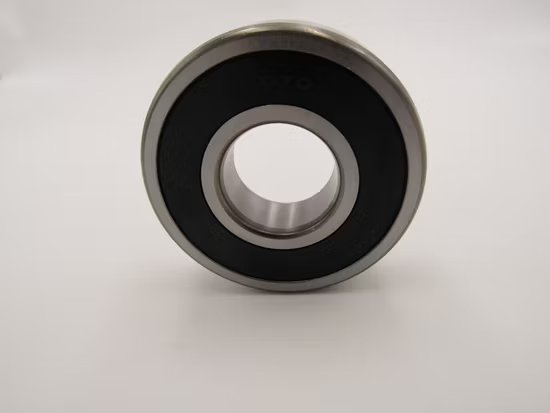
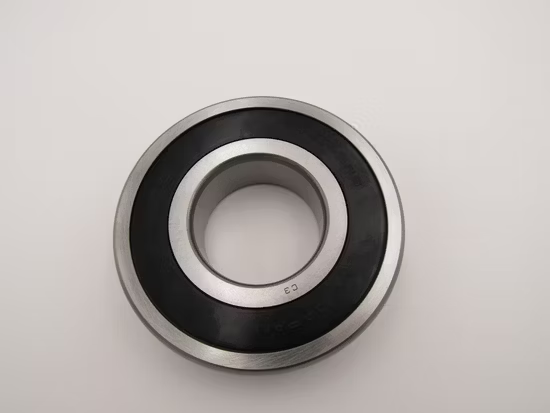
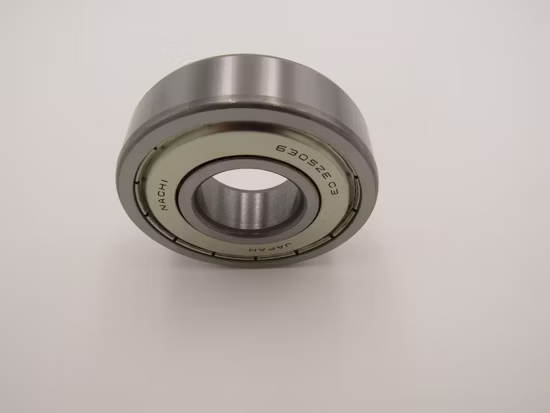
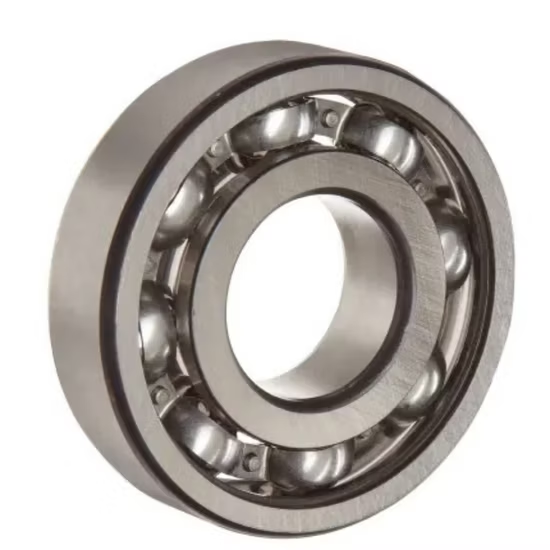
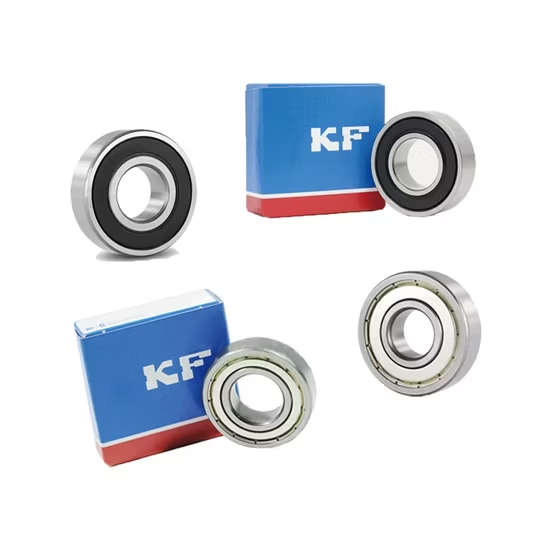
6306 6307 6308 6309 6310 Deep Groove Ball Bearings — available in open, rubber seal, and iron shield configurations to match specific contamination requirements.
Multi-Brand Authorized Coverage — Procure SKF, FAG, and NSK equivalents for the 6306 to 6310 size range in a single consolidated shipment without juggling multiple vendors.
| Parameter | Value |
|---|---|
| Designation | 6306 6307 6308 6309 6310 |
| Bearing Type | Deep Groove Ball Bearing |
| Seal or Shield Type | Open, Rubber Seals, Iron Shields |
| Noise and Vibration Level | Z1V1, Z2V2, Z3V3, Z4V4 |
| Origin | Germany, Japan, Sweden, Malaysia, China |
| HS Code | 848210 |
| Industry | Typical Applications |
|---|---|
| Electric Motors | Rotor shaft support in high-efficiency AC and DC motors |
| Industrial Gearboxes | High-speed input shafts and intermediate gear stages |
| Material Handling | Drive pulleys and idler rollers in belt conveyor systems |
| Pumps and Compressors | Impeller shaft stabilization in centrifugal fluid units |
A matched base designation guarantees dimensional fit, but ignoring internal clearance and seal friction inevitably triggers thermal binding under operational heat.
I still remember pulling apart a seized industrial motor in a humid Yangtze Delta workshop years ago. The inner ring of the bearing had practically welded itself to the shaft due to severe thermal expansion. The maintenance crew had replaced the original unit with a standard clearance variant, completely overlooking the fact that the high-temperature rotor environment strictly required expanded internal clearance. When procurement teams treat the 6306 6307 6308 6309 6310 deep groove ball bearing as a simple commodity defined only by its outer dimensions, they invite catastrophic friction. A significant share of premature failures stems directly from these粗放 cross-reference habits .
Selecting the correct 6306 6307 6308 6309 6310 deep groove ball bearing for noise-sensitive electric motors requires strict attention to vibration grading. We supply units classified from Z1V1 up to Z4V4, ensuring that high-speed rotor applications receive the precisely balanced internal geometry needed to suppress acoustic emissions. Our technical team reviews your specific decibel targets and operating speeds to recommend the exact vibration class, preventing the high-frequency whine that often plagues poorly specified drive systems.
Electric motors and gearboxes subject these components to intense thermal gradients and particulate ingress. Elevated operating temperatures cause the inner ring to expand faster than the outer housing, rapidly consuming standard internal clearance and leading to destructive preload. Simultaneously, conveyor and pump environments introduce abrasive dust that degrades lubrication. Choosing between contact rubber seals for maximum contamination exclusion and non-contact iron shields for lower friction heat generation is a critical balancing act dictated by your specific environmental exposure .
The internal architecture of these bearings must align perfectly with the thermal and environmental reality of the machinery. Open configurations allow for unrestricted oil flow and higher speed limits but demand pristine housing environments. Rubber seals provide robust defense against moisture and dust, though their contact lips generate friction heat that limits maximum rotational velocity. Iron shields offer a middle ground, retaining grease while minimizing friction. Furthermore, specifying expanded internal clearance is non-negotiable for applications where the shaft operates significantly hotter than the housing, ensuring the bearing does not choke on its own thermal growth once the motor reaches steady-state temperature.
Deploying a standard clearance bearing in a high-heat application guarantees rapid operational decline. The resulting thermal binding accelerates cage wear and degrades the lubricant film, culminating in unplanned downtime and severe secondary damage to the motor housing. According to ISO 281 frameworks, operating a bearing under unintended internal preload drastically truncates its calculated fatigue life . This cascading failure not only voids equipment warranties but also forces expensive emergency replacements that halt entire production lines.
We eliminate the risk of counterfeit inner rings by sourcing exclusively through authorized brand networks. Every cross-reference we execute verifies the internal clearance, cage material, and seal type, rather than relying on superficial base number matching. Our inventory covers the full spectrum of noise and vibration classes, ensuring your noise-sensitive motor builds receive the exact Z-group specification required. Furthermore, we consolidate mixed-brand requirements into single shipments, supported by comprehensive dimensional and running accuracy inspection reports prior to dispatch.
To ensure optimal performance, please share your detailed operating parameters, including radial and axial loads, continuous operating temperatures, and rotational speeds. Supplying the original OEM equipment numbers allows our engineering team to execute a rigorous cross-reference verification, confirming that the selected clearance and seal configuration perfectly matches the factory design intent for your specific machinery.
Q: How do we verify the authenticity of the supplied bearings?
A: We provide full batch traceability documentation with every order. You can scan the QR codes on the packaging using the official mobile applications provided by the respective manufacturers. This instant digital verification confirms the origin and production batch, completely eliminating the risk of installing counterfeit components with compromised metallurgy.
Q: Why must cross-referencing include clearance and seal suffixes?
A: Matching only the base dimensions ignores the internal geometry required for specific thermal conditions. Installing a standard clearance unit in a high-heat motor causes thermal binding and seizure. We verify the exact clearance class and seal friction characteristics to ensure the replacement performs identically to the original equipment manufacturer's specification.
Q: What is the practical difference between Z1V1 and Z4V4 vibration classes?
A: The Z and V classifications dictate the permissible limits for decibel emissions and vibration velocity. While Z1V1 is adequate for general industrial gearboxes, Z4V4 represents ultra-precision balancing required for high-speed, noise-sensitive electric motors. Selecting the correct grade prevents high-frequency acoustic resonance and ensures smooth rotor stabilization.
Q: How should we choose between rubber seals and iron shields?
A: Rubber seals provide superior exclusion of moisture and abrasive dust, making them ideal for harsh conveyor or pump environments, though they generate slightly more friction heat. Iron shields offer non-contact protection that retains grease while minimizing friction, supporting higher rotational speeds in cleaner gearbox or indoor motor applications.
Our 5-step process ensures every order is engineered, validated, and supported for optimal performance.
Technical needs assessment
Custom specifications
Free samples for $50k+
Pre-shipment inspection
On-site & predictive
Our certified engineers respond within 24 hours with detailed technical specifications, pricing, and lead time information.


