01
Consultation
Technical needs assessment

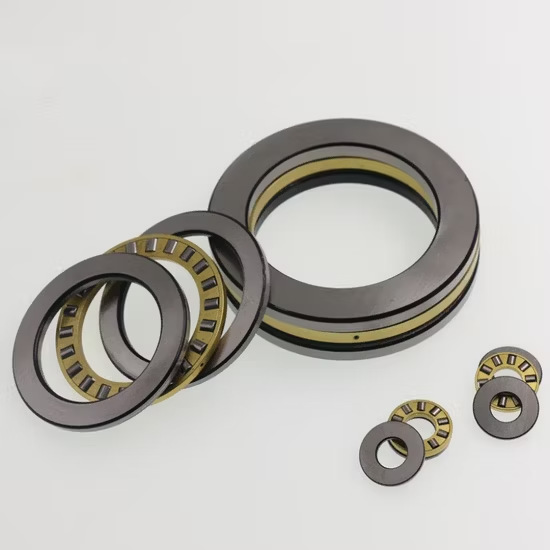
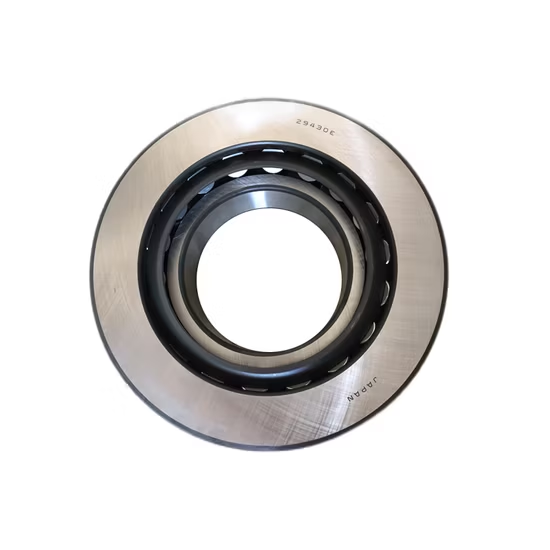
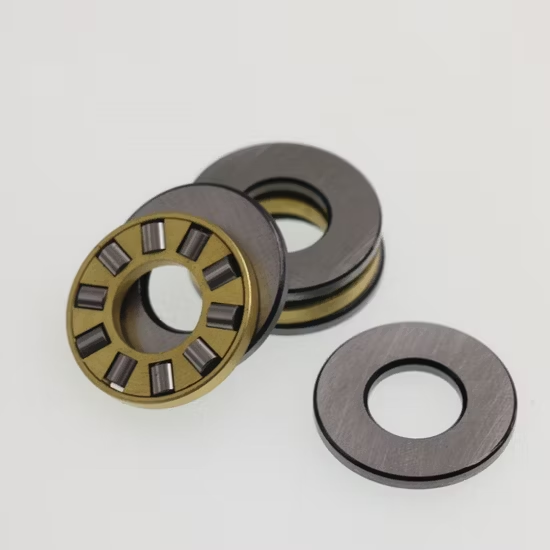
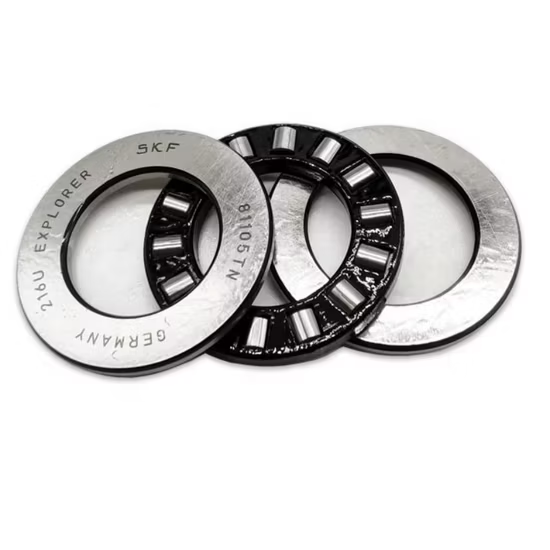

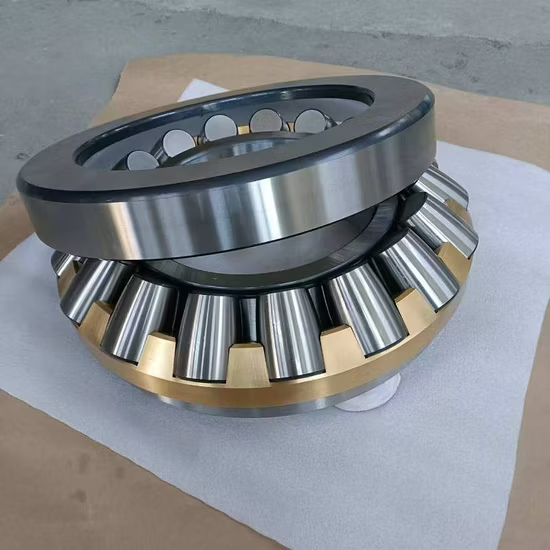
81109 Thrust Cylindrical Roller Bearing — engineered to accommodate heavy axial loads in machine tool spindles, crane hooks, and heavy-duty gearboxes. These units provide high axial rigidity and reliable performance under continuous industrial operation.
Batch-level traceability — Every 81109 unit ships with manufacturer lot records verifiable through official brand applications, eliminating blind spots in your supply chain.
| Parameter | Value |
|---|---|
| Designation | 81109 |
| Bearing Type | Thrust Cylindrical Roller Bearing |
| Vibration Level | Z1V1 / Z2V2 / Z3V3 options |
| Origin | Germany / Japan / Sweden / Malaysia |
| HS Code | 8482500090 |
| Industry | Typical Applications |
|---|---|
| Machine Tools | Vertical spindle thrust supports requiring high axial rigidity |
| Heavy Machinery | Crane hook swivels and extruder screw thrust collars |
| Power Transmission | Heavy-duty gearbox vertical shaft axial locating positions |
Matching the base number is never enough to prevent catastrophic cage disintegration under heavy thrust loads.
I transitioned from quality inspection to trading after witnessing a massive vertical gearbox failure. The maintenance team replaced a worn thrust bearing with a generic equivalent that matched the base designation perfectly. However, the replacement lacked the correct internal clearance and featured a substandard cage material. Under high-speed axial loading, the cage shattered, causing severe shaft damage and weeks of unplanned downtime . When sourcing an 81109 thrust cylindrical roller bearing, ignoring the internal design nuances and vibration class requirements turns a simple maintenance swap into a critical liability.
Selecting the correct vibration class for your 81109 thrust cylindrical roller bearing directly dictates the operational smoothness of precision equipment. While a standard Z1V1 class suffices for heavy, low-speed crane hooks, machine tool spindles demand Z3V3 to minimize axial runout and surface finish defects. Our technical review process ensures the vibration tolerance aligns with your specific RPM and axial load profile, preventing micro-vibrations that degrade machining accuracy over time.
Thrust cylindrical roller bearings endure pure axial loads, often in vertical shaft arrangements where gravity and operational forces compound. In extruders or rolling mills, significant heat generation alters the internal clearance . If the initial clearance is too tight, thermal expansion causes the rollers to bind against the raceways, leading to rapid surface smearing. Conversely, excessive clearance in a crane hook swivel induces axial play, compromising load stability. Proper lubrication selection and precise clearance matching are mandatory to manage these thermal and mechanical stresses.
The 81109 designation defines the basic boundary dimensions, but the internal geometry dictates survival. The cage material is the most critical variable; machined brass cages handle high axial loads and shock vibrations far better than pressed steel alternatives, which may deform under sudden load spikes. Furthermore, the roller profile and raceway curvature must be perfectly matched to distribute the thrust load evenly across the contact ellipse. We verify these internal design parameters during cross-referencing, ensuring the replacement unit matches the original equipment manufacturer's structural intent, not just the outer dimensions.
Installing an unverified thrust bearing introduces severe operational risks. Counterfeit units often feature soft inner rings that deform under load, while cloned QR codes mask inferior metallurgy. When a cage fails in a vertical gearbox, the resulting debris contaminates the entire lubrication system, destroying adjacent radial bearings and gears. This cascading damage leads to catastrophic equipment failure, voids OEM warranties, and results in massive financial losses far exceeding the initial component cost .
We eliminate procurement guesswork by providing authorized, multi-brand coverage for your exact axial requirements. Our cross-reference protocol verifies internal clearance and cage material, preventing the dangerous mismatches that cause thermal binding. We enforce strict batch traceability, allowing your quality team to verify the origin of every 81109 unit via official brand applications. Additionally, our application-based selection review evaluates your specific load and speed parameters to recommend the optimal vibration class, backed by comprehensive pre-shipment inspection reports.
To ensure optimal performance, provide our engineering team with your specific axial load magnitude, operating RPM, and thermal environment. Sharing the OEM equipment designation allows us to execute a precise cross-reference check, verifying that the internal clearance and cage material match your application's exact demands. This technical collaboration guarantees you receive a fully validated solution capable of withstanding your operational stresses.
Q: How do I verify the authenticity of the 81109 bearings using official brand QR codes?
A: Each genuine unit features a unique QR code linked to the manufacturer's database. By scanning this code with the official brand application, you can instantly verify the production batch, manufacturing facility, and original specifications. This digital traceability confirms the bearing is not a counterfeit with cloned markings, ensuring full metallurgical compliance and protecting your equipment from premature axial failures.
Q: What cross-reference checks are critical beyond the base 81109 designation?
A: Simply matching the base number ignores vital internal differences. A proper cross-reference must verify the internal clearance class, cage material composition, and roller profile. Installing a unit with incorrect clearance or a weak cage design leads to thermal binding or cage disintegration under heavy thrust loads. We validate these internal parameters to ensure the replacement perfectly matches your equipment's original engineering requirements.
Q: How should I select the correct vibration class for my specific application?
A: The choice between Z1V1, Z2V2, and Z3V3 depends on your equipment's sensitivity to axial runout. Heavy-duty, low-speed applications like crane hooks typically perform well with standard classes. However, high-speed machine tool spindles require the strict Z3V3 classification to minimize vibration transfer and maintain surface finish quality. We analyze your operational speed and precision requirements to specify the exact vibration tolerance needed.
Q: What documentation guarantees material compliance and country of origin?
A: We provide a comprehensive documentation package including a Certificate of Conformity, detailed material test reports, and country-of-origin certificates. These documents verify the metallurgical composition of the thrust washers and rollers, ensuring they meet the required hardness and fatigue limits. This paperwork is essential for customs clearance, regulatory compliance, and maintaining strict quality control records within your maintenance management system.
Our 5-step process ensures every order is engineered, validated, and supported for optimal performance.
Technical needs assessment
Custom specifications
Free samples for $50k+
Pre-shipment inspection
On-site & predictive
Our certified engineers respond within 24 hours with detailed technical specifications, pricing, and lead time information.