01
Consultation
Technical needs assessment



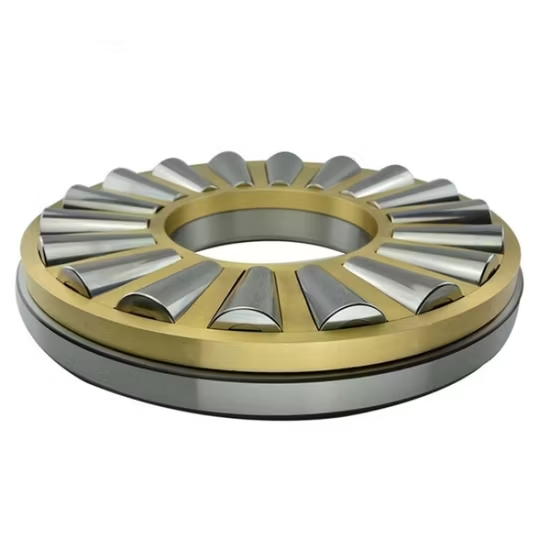
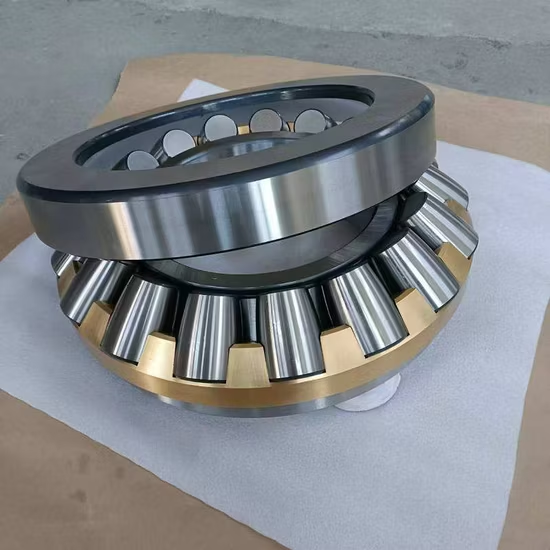
51200 Thrust Ball Bearing — engineered for low-speed, high axial load applications including crane hooks and automotive steering mechanisms.
Multi-brand authorized sourcing — A single purchase order secures genuine 51200 units across major international manufacturers without juggling multiple vendors.
| Parameter | Value |
|---|---|
| Designation | 51200 |
| Bearing Type | Thrust Ball Bearing |
| Vibration Level | Z1V1, Z2V2, Z3V3 |
| Origin | Germany, Japan, Sweden, Malaysia, China |
| HS Code | 8482500090 |
| Industry | Typical Applications |
|---|---|
| Machine Tool Manufacturing | Vertical spindle axial load support |
| Material Handling | Crane hook swivel mechanisms |
| Automotive Repair | Steering column axial thrust support |
Precision grading dictates axial rigidity under thermal stress.
Sourcing a standard 51200 thrust ball bearing based solely on the base designation often masks critical tolerance discrepancies. I have inspected failed units in heavy industrial sites where axial窜动 (axial play) destroyed adjacent seals simply because a P0 grade component was installed where high-precision running accuracy was mandatory. When operating near thermal limits, microscopic dimensional deviations amplify into catastrophic shaft misalignment .
Selecting the correct vibration classification is non-negotiable for high-speed vertical applications. A 51200 thrust ball bearing graded at Z3V3 ensures the rolling elements and raceways maintain strict geometrical alignment, minimizing acoustic emissions and structural resonance in precision machine tool spindles. We verify these dynamic characteristics against application-specific load profiles to prevent micro-pitting.
Axial load capacity drops significantly when operating temperatures exceed the thermal limit of standard bearing steel. In crane hook swivels or automotive steering columns, localized friction generates heat that degrades standard grease. Selecting the appropriate lubrication interval and verifying the cage material's thermal stability prevents the rolling elements from skidding during sudden load reversals .
The 51200 identifier defines the fundamental boundary dimensions and thrust geometry, but it leaves the internal clearance and precision class entirely open. While the base number guarantees physical fitment, ignoring the specific Z1V1 to Z3V3 vibration levels or precision suffixes leads to severe operational compromises. We cross-reference the exact OEM equipment requirements to ensure the delivered unit matches the necessary running accuracy, rather than just the outer diameter and bore.
Installing a generic replacement without verifying the dimensional and running accuracy inspection report invites unplanned downtime. According to ISO 15243 frameworks, incorrect internal geometry in thrust applications accelerates raceway spalling and cage fragmentation. This premature failure not only voids equipment warranties but often causes catastrophic damage to the main shaft and adjacent housings .
We eliminate the guesswork by providing batch traceability to the manufacturer for every 51200 unit shipped. Our cross-reference alignment covers the exact vibration level and precision class your equipment demands, not just the base number. By supplying official app QR verification and comprehensive dimensional reports, we ensure the internal design perfectly matches your axial load and speed conditions, preventing the soft inner ring failures common in counterfeit batches.
Share your specific axial load profiles, rotational speeds, and operating temperatures so our technical team can validate the L10 life calculation. Providing the original OEM equipment number allows us to perform a strict cross-reference check, ensuring the selected precision class and vibration level perfectly align with your machinery's design parameters.
Q: How do I verify the authenticity of the 51200 units upon delivery?
A: Every genuine unit includes batch traceability documentation and a unique QR code. You can scan this code using the manufacturer's official mobile application to instantly verify the production facility, date, and original specifications, ensuring the components are not counterfeit clones with soft inner rings.
Q: What cross-reference checks are critical beyond the base 51200 designation?
A: The base number only confirms physical dimensions. We verify the exact precision class, internal clearance, and vibration level (Z1V1 to Z3V3) against your OEM requirements. This prevents installing a standard P0 grade component in a high-speed spindle where strict running accuracy is mandatory to avoid thermal binding.
Q: How should I choose between Z1V1 and Z3V3 vibration levels?
A: Z1V1 is generally sufficient for low-speed, high-load applications like crane hooks or basic material handling. For high-speed machine tool spindles or precision automotive steering mechanisms, Z3V3 is required to minimize acoustic noise, reduce structural resonance, and ensure smooth axial load transfer under dynamic conditions.
Q: What mounting practices prevent premature failure in vertical thrust applications?
A: Ensure the shaft and housing seating surfaces are perfectly square to the axis to prevent uneven load distribution. Apply the correct initial axial preload to stop the rolling elements from skidding during operation, and strictly follow the manufacturer's lubrication guidelines to manage friction heat in continuous duty cycles.
Our 5-step process ensures every order is engineered, validated, and supported for optimal performance.
Technical needs assessment
Custom specifications
Free samples for $50k+
Pre-shipment inspection
On-site & predictive
Our certified engineers respond within 24 hours with detailed technical specifications, pricing, and lead time information.