01
Consultation
Technical needs assessment


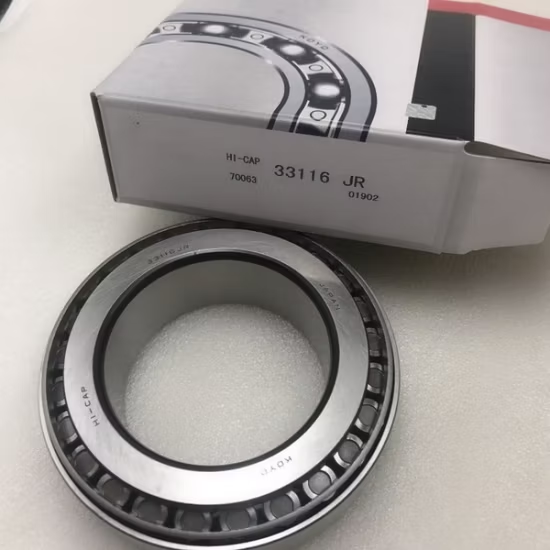

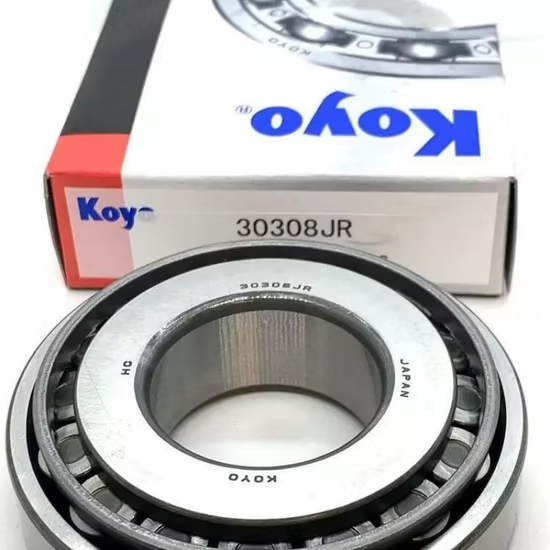
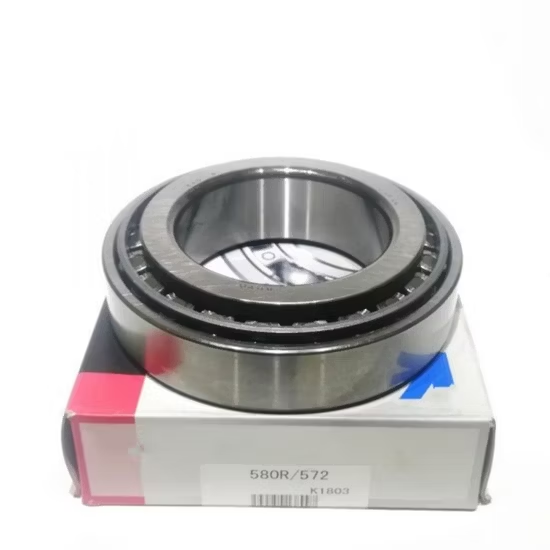

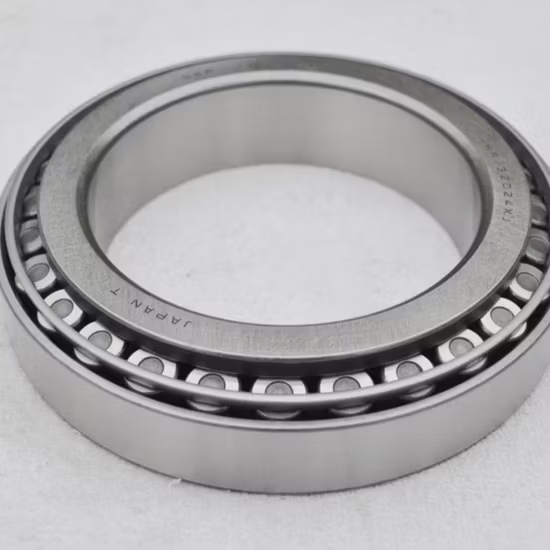
57410S/LM29710 Tapered Roller Bearing
Official App QR Verification — Every 57410S/LM29710 tapered roller bearing shipment includes scannable codes linked directly to the manufacturer's authenticity database.
| Parameter | Value |
|---|---|
| Designation | 57410S/LM29710 |
| Bearing Type | Tapered Roller Bearing |
| Precision Class | P4 |
| Material | GCr15 bearing steel |
| Cage Material | Available in nylon, brass, or iron variants |
| Origin | Germany, Japan, Sweden, Malaysia, or China |
Note: Specific suffix meanings for this designation require manufacturer catalog confirmation.
| Industry | Typical Applications |
|---|---|
| Automotive Repair | Passenger vehicle wheel hubs and steering knuckle assemblies |
| Commercial Vehicles | Light truck axles and differential pinion shaft supports |
| Industrial Gearboxes | Material handling conveyor drive reduction units |
Matching the base designation without verifying internal design suffixes leads to catastrophic cage failure under highway speeds.
During my transition from OE automotive sourcing to the aftermarket sector in the Pearl River Delta, I investigated a batch of wheel hub failures where the base numbers matched perfectly, yet the cages shattered on the highway. The root cause was an incorrect cage material substitution that ignored the specific application demands. When sourcing a 57410S/LM29710 tapered roller bearing, overlooking these critical internal details results in thermal binding or sudden structural collapse .
Selecting the correct internal geometry ensures the bearing survives the combined radial and axial forces generated during vehicle cornering. Our technical team reviews the exact cage material and precision requirements for your specific 57410S/LM29710 tapered roller bearing application. This rigorous cross-reference verification prevents the installation of under-specced components into high-stress automotive environments.
Wheel hub environments subject components to severe temperature fluctuations and road debris ingress. Thermal expansion during sustained highway driving demands precise clearance matching to prevent internal preload from exceeding safe limits. Furthermore, contaminated operating environments require appropriate seal configurations to retain lubrication and block abrasive particulates, ensuring the rolling elements remain protected throughout the service interval .
The P4 precision class guarantees tighter dimensional and running accuracy, which is essential for minimizing vibration and noise in automotive wheel applications. The GCr15 bearing steel provides the necessary core hardness and wear resistance to withstand heavy contact stresses. Depending on the specific operational speed and load profile, the cage material can be selected from nylon, brass, or iron variants to optimize friction characteristics and structural rigidity.
Installing a component with mismatched internal clearances or incorrect cage materials inevitably leads to premature failure and unplanned vehicle downtime. Such failures often cause catastrophic damage to adjacent hub assemblies, dramatically increasing repair costs and voiding equipment warranties. Adhering to failure analysis frameworks highlights how minor specification deviations cascade into major mechanical breakdowns .
We maintain authorized coverage across major global brands, allowing mixed-brand procurement within a single shipment. Our cross-reference matching goes beyond base numbers to verify clearance, cage material, and precision suffixes. We provide application-based selection reviews covering load, speed, and temperature parameters to ensure exact equipment compatibility. Furthermore, our batch traceability protocols guarantee that every component is linked to its original production run.
To facilitate accurate technical review, please provide the specific radial and axial loads, operating speeds, and temperature ranges of your application. Supplying the original equipment manufacturer part numbers allows our engineering team to perform precise cross-reference verification. This data ensures the selected configuration perfectly matches your mechanical and environmental requirements.
Q: How to verify the authenticity of 57410S/LM29710 bearings using official QR apps?
A: Scan the QR code on the packaging using the manufacturer's official mobile application. This process connects directly to the brand's central database to confirm the production batch, origin, and authenticity, effectively identifying counterfeit products with cloned codes or soft inner rings that pass casual visual inspections.
Q: What are the critical cross-reference checks beyond the base designation?
A: Beyond the base number, procurement engineers must verify the internal clearance class, cage material, and precision suffixes. Matching only the base designation often overlooks these vital parameters, leading to thermal binding or cage failure when the internal design does not align with the equipment's specific load and speed requirements.
Q: How does P4 precision compare to standard P0 in automotive wheel hub applications?
A: P4 precision offers significantly tighter dimensional and running accuracy compared to standard P0 grades. In automotive wheel hubs, this enhanced precision minimizes vibration, reduces noise, and ensures smoother rotation, which is critical for vehicle handling stability and extending the overall service life of the suspension components.
Q: What is the difference between nylon, brass, and iron cages in tapered roller bearings?
A: Nylon cages offer low friction and high-speed capabilities but have temperature limits. Brass cages provide excellent durability and withstand higher temperatures and heavy loads. Iron cages offer high structural strength for severe load conditions. Selecting the right material depends on the specific speed, temperature, and load profile of the application.
Our 5-step process ensures every order is engineered, validated, and supported for optimal performance.
Technical needs assessment
Custom specifications
Free samples for $50k+
Pre-shipment inspection
On-site & predictive
Our certified engineers respond within 24 hours with detailed technical specifications, pricing, and lead time information.