01
Consultation
Technical needs assessment

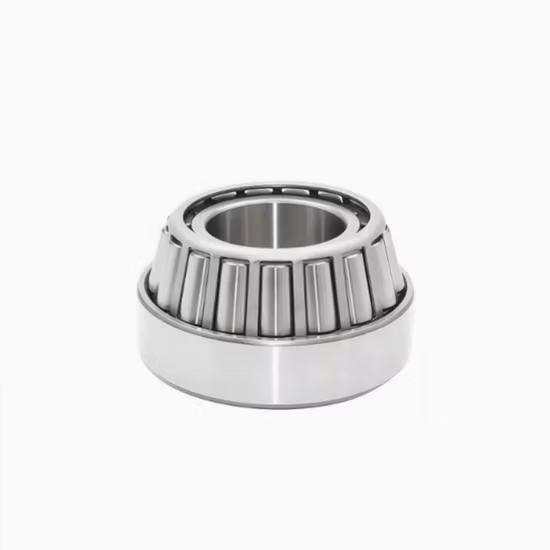
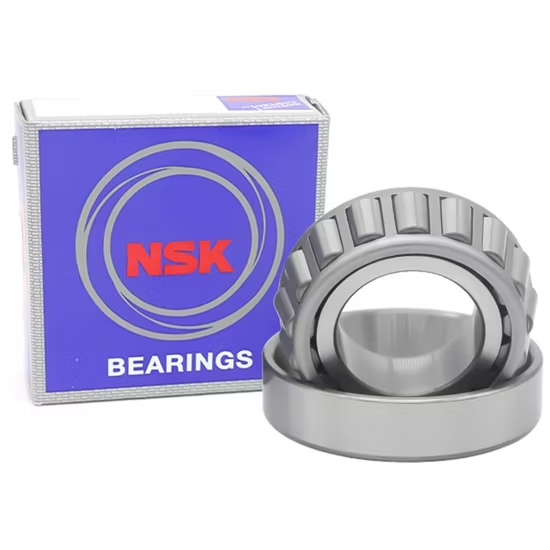
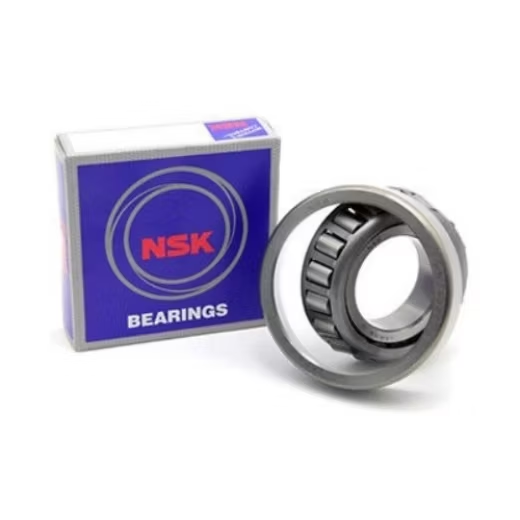
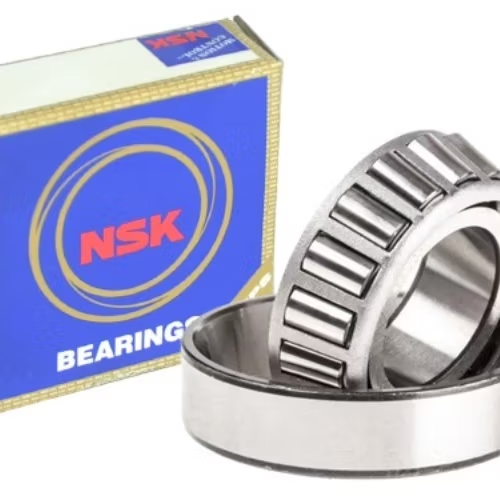
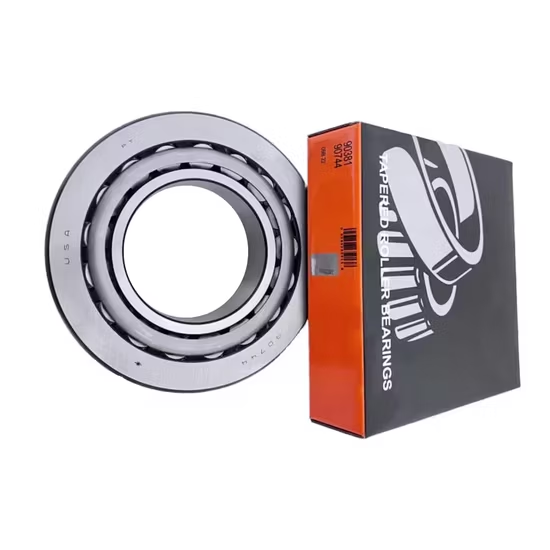
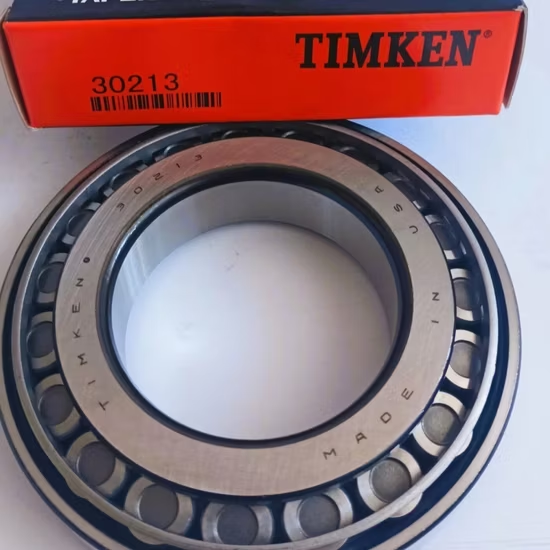
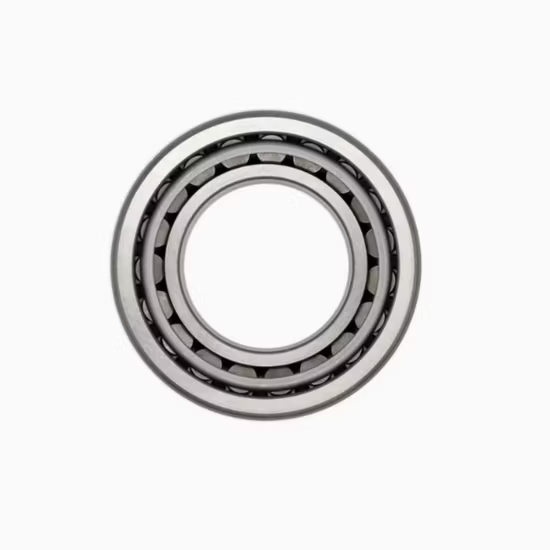
30201 30202 Tapered Roller Bearing — Single row metric tapered roller bearing with P4 precision class and GCr15 bearing steel construction.
Each shipment includes full documentation package with material test reports and dimensional inspection certificates for procurement verification.
Cross-reference alignment verified — Matching base numbers is insufficient without confirming clearance, cage material, and precision suffixes for the 30201 30202 series.
| Parameter | Value |
|---|---|
| Designation | 30201 30202 |
| Bearing Type | Tapered Roller Bearing |
| Number of Rows | Single Row |
| Precision Class | P4 |
| Material | GCr15 bearing steel |
| Customization | Available |
| Origin | Shanghai |
| Industry | Typical Applications |
|---|---|
| Manufacturing Plant | Conveyor drive gearboxes, automated assembly line indexing tables |
| Building Material Shops | Stone crusher vibrating screen shafts, heavy-duty mixer drum supports |
| Machinery Repair Shops | General industrial spindle rebuilds, agricultural PTO shaft housings |
Dimensional interchangeability does not guarantee operational survival under thermal stress.
Procurement teams frequently approve replacements based solely on matching the basic metric designation, overlooking critical internal geometry and clearance suffixes. When a standard clearance unit is forced into a high-heat gearbox application, thermal expansion eliminates the internal operating gap, leading to rapid cage disintegration and shaft seizure . Sourcing a genuine 30201 30202 tapered roller bearing requires strict verification of the precision class and internal profile to prevent these catastrophic field failures.
Upgrading to P4 precision for these metric sizes ensures significantly tighter dimensional and running accuracy, which is vital for minimizing vibration in high-speed manufacturing equipment. Our technical team reviews the specific load spectra and mounting arrangements to ensure the selected 30201 30202 tapered roller bearing aligns perfectly with the OEM equipment requirements, preventing premature wear on adjacent seals and gears.
Tapered roller configurations are engineered to manage simultaneous radial and axial forces, but the operating temperature dictates the necessary internal clearance. If the housing experiences substantial heat generation, a standard clearance will collapse, causing severe friction and lubricant breakdown . Proper selection must also account for the sealing environment, ensuring that external contaminants from building material processing do not breach the housing and degrade the lubricant film.
The P4 precision class indicates that the component meets stringent tolerances for bore, outside diameter, and running accuracy, reducing noise and vibration in sensitive spindle applications. The use of GCr15 bearing steel provides the necessary core toughness and raceway hardness to withstand heavy shock loads typical in machinery repair scenarios. While GCr15 is standard, alternative materials like martensitic stainless grades are available for environments demanding higher corrosion resistance. Single row tapered structures rely on precise cup and cone alignment, making the accuracy of the roller profile and cage guidance essential for maintaining the correct load distribution angle.
Installing a unit with incorrect internal geometry or clearance leads to unplanned downtime and catastrophic damage to the surrounding shaft and housing. According to ISO 281 rating life standards, even minor deviations in internal load distribution drastically reduce the calculated fatigue life . This often results in warranty voidance and forces maintenance crews into emergency rebuilds, highlighting the severe financial impact of overlooking cross-reference details.
We authorize distribution across all major international brands, allowing mixed-brand orders for the 30201 30202 series without coordinating multiple suppliers. Our cross-reference process strictly matches clearance and precision suffixes, preventing the common error of installing standard units where thermal expansion requires larger internal gaps. Every batch is traceable to the manufacturer, ensuring you receive genuine components rather than cloned counterfeits with soft inner rings. We provide comprehensive application-based selection reviews, analyzing your specific load and temperature conditions to validate the design.
To ensure optimal performance, please provide your specific radial and axial load calculations, operating speeds, and expected thermal gradients. Supplying the exact OEM equipment number allows our engineering team to perform a comprehensive cross-reference check and L10 life verification. This technical data enables us to recommend the precise clearance and sealing configuration required for your application.
Q: How do I verify the authenticity of the received components?
A: Every unit we supply features a unique QR code that links directly to the official brand application. Scanning this code confirms the manufacturing origin, batch number, and production date. This digital traceability ensures you are installing genuine components, completely eliminating the risk of cloned counterfeits with substandard metallurgy that frequently plague the secondary market.
Q: Why must cross-referencing include more than just the base number?
A: Matching the base metric designation only confirms basic boundary dimensions. It ignores critical internal variables like clearance class, cage material, and precision suffixes. Overlooking these details often results in thermal binding or cage failure when the operating conditions exceed the standard design limits, making full suffix alignment essential for reliable field performance.
Q: What impact does the P4 precision class have on equipment operation?
A: Achieving P4 precision guarantees significantly tighter dimensional and running accuracy compared to standard grades. This reduced geometric deviation minimizes vibration and noise, which is particularly crucial for high-speed manufacturing spindles and precision gearboxes where microscopic runout can accelerate the wear of adjacent seals and mating components.
Q: How should I select the correct internal clearance for my application?
A: Internal clearance must be chosen based on the expected operating temperature and shaft interference fit. If the application generates substantial heat, a larger clearance is required to compensate for thermal expansion and prevent the rollers from binding. We review your specific thermal and load parameters to recommend the exact clearance class needed to maintain a stable lubricant film.
Our 5-step process ensures every order is engineered, validated, and supported for optimal performance.
Technical needs assessment
Custom specifications
Free samples for $50k+
Pre-shipment inspection
On-site & predictive
Our certified engineers respond within 24 hours with detailed technical specifications, pricing, and lead time information.