01
Consultation
Technical needs assessment


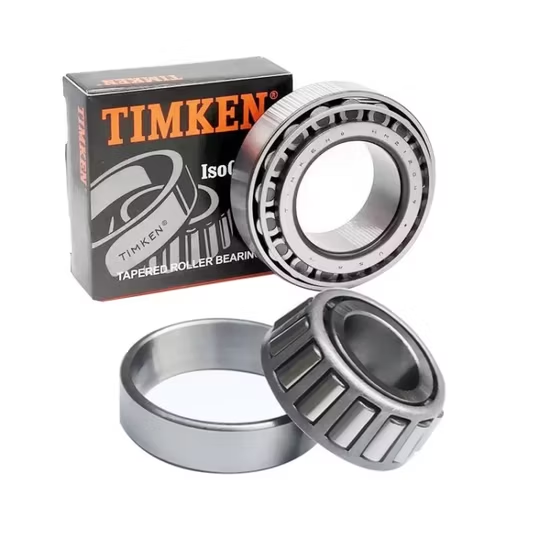


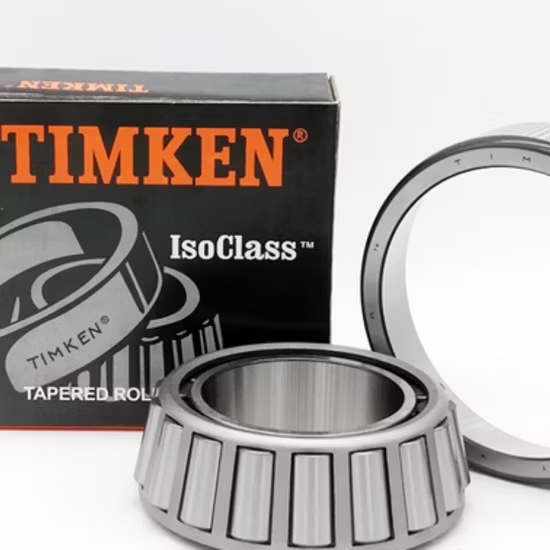

30200 30201 Tapered Roller Bearing P4 — single row taper structure engineered for combined radial and axial loads.
Full-Batch Traceability — Every 30200 30201 tapered roller bearing ships with manufacturer lot records, eliminating guesswork in critical drivetrain assemblies.
| Parameter | Value |
|---|---|
| Designation | 30200 30201 |
| Bearing Type | Tapered Roller Bearing |
| Number of Rows | Single Row |
| Structure | Taper |
| Precision Class | P4 |
| Material | GCr15 Bearing Steel |
| Cage Material | Nylon, Brass, or Iron options |
| Feature | Low Noise, High Speed, Long Service Life |
| Industry | Typical Applications |
|---|---|
| Automotive & Heavy Vehicle | Wheel hub assemblies, truck axle differentials, steering knuckles |
| Industrial Power Transmission | Heavy-duty gearbox shafts, reducer output stages, marine drive housings |
| General Machinery | Conveyor drive pulleys, material handling gearmotors, spindle supports |
A matching part number does not guarantee internal design compatibility.
Procurement teams often source replacement bearings based solely on the base designation, only to face premature failures in the field. The internal geometry, cage material, and precision class must align perfectly with the original equipment manufacturer's requirements. I have seen heavy truck axles seize due to thermal binding simply because a standard precision replacement was installed where high-precision running accuracy was required to manage heat generation . Sourcing the correct 30200 30201 tapered roller bearing demands strict verification of these internal specifications before the component ever reaches the assembly line.
Selecting the right component for automotive and industrial gearboxes requires looking past the basic dimensions. The 30200 30201 tapered roller bearing provides the necessary structural rigidity for combined radial and axial loads, but its true value lies in its precision class. When replacing OEM drivetrain parts, verifying that the internal tolerances match the original design prevents excess friction and uneven load distribution across the roller paths.
Drivetrain environments subject components to intense combined loading and fluctuating thermal conditions. Single row taper structures excel at managing these forces, but temperature spikes can alter internal clearance if the initial setup is incorrect. Proper lubrication selection and precise adjustment during mounting are critical to prevent the rollers from skidding or binding . The cage material must also withstand the specific speed and vibration profiles of the gearbox or wheel hub application.
Standard commercial grades often fall short in high-speed or heavily loaded automotive hubs. The P4 precision class ensures tighter dimensional and running accuracy, which directly translates to smoother rotation and reduced operational noise. This exacting tolerance minimizes the micro-vibrations that typically degrade lubricant films and accelerate surface fatigue. Paired with GCr15 high-carbon chromium bearing steel, the rings and rollers achieve the necessary hardenability to resist wear over extended service intervals.
Ignoring precision and internal geometry requirements leads to catastrophic downstream consequences. A slight deviation in running accuracy can cause localized stress concentrations, resulting in premature spalling and unplanned downtime. According to ISO 281 frameworks, such misalignments drastically reduce the calculated L10 life of the assembly . Ultimately, these specification oversights void equipment warranties and escalate maintenance budgets far beyond the initial savings of a cheaper, incorrect part.
Our authorization across major international brands allows us to fulfill mixed-brand orders while maintaining strict quality control. We do not just match base numbers; we verify cross-references like Set74 or 387A/382A to ensure the precision class and internal geometry align with your specific equipment. Every shipment includes full batch traceability, eliminating the risk of counterfeits with soft inner rings that plague the heavy vehicle repair market. We provide application-based selection reviews to confirm that the chosen cage material and precision grade suit your exact load and speed parameters.
To ensure optimal performance, share your specific radial and axial load profiles, operating speeds, and thermal conditions with our technical team. We will conduct a thorough cross-reference review and L10 life calculation to confirm the selection. Providing your OEM equipment numbers allows us to verify internal geometry compatibility and prevent costly installation errors.
Q: How do you verify cross-reference accuracy beyond the base designation?
A: We validate the internal geometry, precision class, and cage material against the OEM specifications. For cross-references like Set74 or 387A/382A, we ensure the taper angles and roller profiles match perfectly, preventing thermal binding and premature wear in heavy-duty applications.
Q: What is the practical difference between P4 and standard precision classes?
A: P4 precision offers significantly tighter dimensional and running accuracy. This reduces micro-vibrations and operational noise, ensuring a smoother rotation and extending the fatigue life of the assembly, which is critical for high-speed automotive hubs and precision gearboxes.
Q: How should I choose the correct cage material for my application?
A: The choice depends on your operating speed, temperature, and load conditions. Nylon cages offer low friction for high speeds, brass provides superior durability under heavy loads and high vibration, while iron cages offer a robust, cost-effective solution for standard industrial gearboxes.
Q: What documentation guarantees the authenticity of the bearings?
A: Every order includes a Certificate of Conformity, material test reports, and dimensional inspection reports confirming P4 tolerances. We also provide full batch traceability and official QR verification to ensure you receive genuine, manufacturer-certified components.
Q: How do we prevent thermal binding during mounting?
A: Proper axial clearance adjustment is essential. Our technical team provides mounting guidance based on your specific housing and shaft tolerances, ensuring the internal geometry accommodates thermal expansion without causing excessive preload or roller skidding during operation.
Our 5-step process ensures every order is engineered, validated, and supported for optimal performance.
Technical needs assessment
Custom specifications
Free samples for $50k+
Pre-shipment inspection
On-site & predictive
Our certified engineers respond within 24 hours with detailed technical specifications, pricing, and lead time information.