01
Consultation
Technical needs assessment

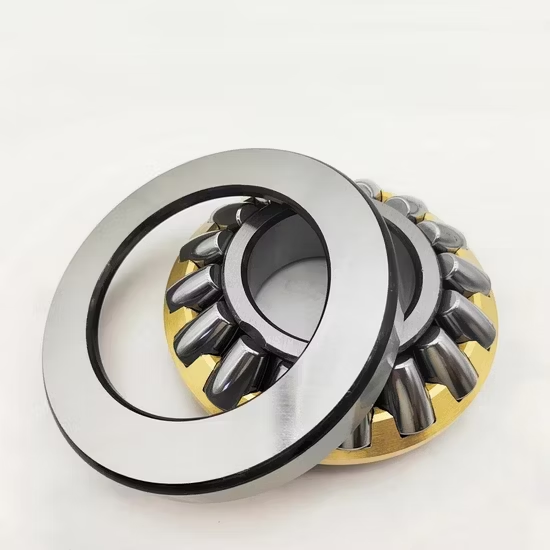
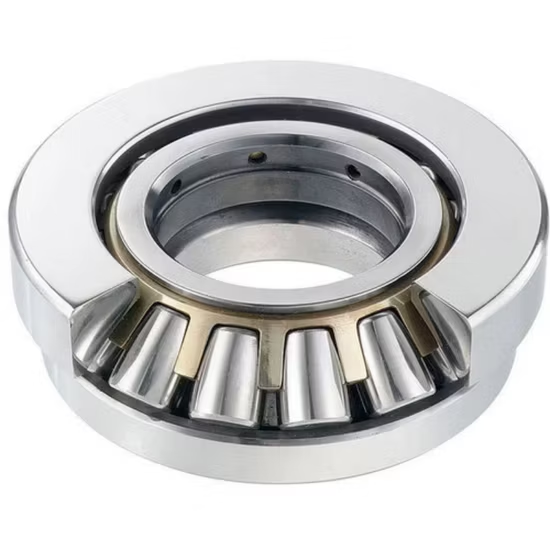
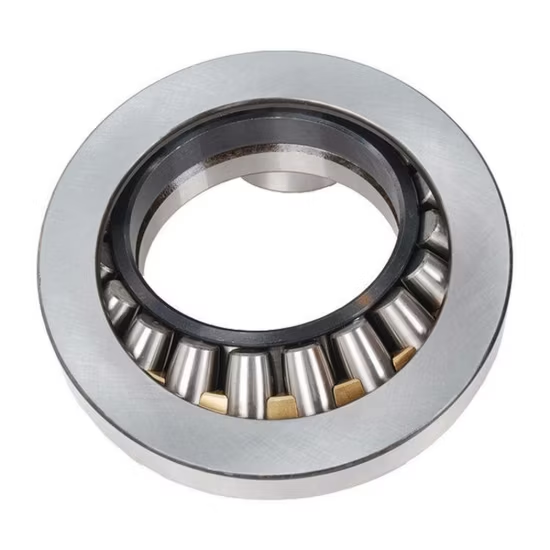
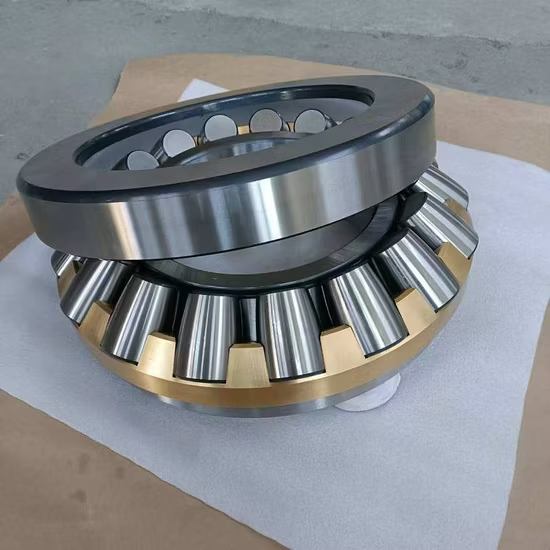

29324 Spherical Thrust Roller Bearing — engineered to accommodate heavy axial loads and shaft misalignment in demanding mining, material handling, and metallurgy applications.
Unified Multi-Brand Sourcing — procure your 29324 spherical thrust roller bearing alongside other major manufacturer equivalents in a single consolidated shipment.
| Parameter | Value |
|---|---|
| Designation | 29324 |
| Bearing Type | Spherical Thrust Roller Bearing |
| Origin | Germany / Japan / Sweden / Malaysia / China |
| HS Code | 8482500090 |
| Industry | Typical Applications |
|---|---|
| Steel and Metallurgy | Continuous caster strand guide rolls, ladle turret slewing mechanisms |
| Mining and Crushing | Gyratory crusher main shaft thrust arrangements, heavy-duty vibrating screens |
| Material Handling | Bucket wheel excavator slewing rings, stacker reclaimer pivot joints |
Matching the base designation is only the starting point for reliable axial load support.
In steel mills and crushing plants, installing a unit with an incorrect cage material or internal design variant leads to rapid thermal binding under heavy shock loads. Sourcing channels that only verify the basic number often overlook critical internal clearances, causing catastrophic raceway spalling when thermal expansion is constrained .
The self-aligning raceway geometry of this 29324 spherical thrust roller bearing accommodates shaft deflection and mounting errors common in heavy machinery. By evaluating the specific axial load profile and misalignment angle of your equipment, we ensure the selected internal geometry provides optimal load distribution across the roller complement.
Heavy axial loads combined with low-speed oscillation generate substantial friction heat, making the selection of cage material and internal clearance critical. If the clearance is too tight, thermal expansion will cause the rollers to bind and skew; if too loose, the rollers will slide instead of roll, accelerating wear. Furthermore, mining and metallurgy environments introduce abrasive particulates that compromise lubrication films, necessitating robust sealing strategies and frequent relubrication intervals to prevent premature surface fatigue .
While the base number defines the boundary dimensions, the internal design dictates the operational limits. For this 29324 spherical thrust roller bearing, the cage material is a primary variable: machined brass cages are typically preferred for heavy shock loads and high-vibration environments due to their superior damping and strength, whereas pressed steel cages may suffice for steady, moderate-load applications. The spherical housing washer allows for static misalignment, but the dynamic load capacity relies heavily on the precise profiling of the asymmetrical rollers and the raceway curvature. Ensuring the correct cage type and roller complement matches your specific speed and load spectrum prevents cage fracture under transient peak loads.
Selecting a replacement based solely on the outer dimensions without verifying the internal geometry often results in unplanned downtime and catastrophic damage to adjacent shaft components. When a bearing with an inadequate cage design is subjected to heavy axial shock loads, the cage pockets can deform, leading to roller skewing and rapid heat generation. This failure mode not only destroys the bearing but can also score the shaft seating and housing, turning a simple component swap into a major machinery rebuild .
We maintain authorized distribution access across all major international brands, allowing us to supply the exact 29324 variant required without forcing compromises on mixed-brand orders. Our cross-reference process goes beyond matching the basic number; we verify the cage material, internal clearance, and roller profiling against your specific application parameters. Every unit is backed by batch traceability to the manufacturer, ensuring you receive genuine components with verified metallurgical properties. We also provide application-based selection reviews to confirm that the chosen design can withstand your specific thermal and load conditions.
To ensure the selected 29324 variant meets your operational demands, please provide the specific axial and radial load profiles, operating speeds, and ambient temperature ranges. Supplying the OEM equipment designation or existing part numbers allows our engineering team to perform a precise cross-reference check. We will review these parameters to confirm the optimal cage material and internal clearance, returning a comprehensive technical proposal with lead times and full documentation details.
Q: How can I verify the authenticity of the 29324 spherical thrust roller bearing upon delivery?
A: Authenticity is confirmed by scanning the QR code on the packaging using the manufacturer's official mobile application. This verifies the batch number and production origin. We also provide a Certificate of Conformity and material test reports to ensure the metallurgical properties meet original equipment specifications.
Q: What cross-reference checks are critical beyond the base 29324 designation?
A: Beyond the base number, it is essential to verify the cage material, internal clearance class, and roller profiling. A mismatch in these internal design variants can lead to thermal binding or cage failure under heavy axial loads. Our technical team reviews these parameters against your application data before shipment.
Q: How does shaft misalignment influence the selection of this spherical thrust roller bearing?
A: The spherical housing washer allows the bearing to accommodate static shaft misalignment and mounting errors. However, severe dynamic misalignment requires a review of the internal geometry and cage design to ensure the rollers maintain proper contact with the raceways, preventing edge loading and premature fatigue.
Q: What documentation is included for international shipments and customs clearance?
A: Each shipment includes a Certificate of Conformity, country-of-origin documentation, and commercial invoices detailing the correct HS Code. We also provide batch traceability records and dimensional inspection reports to satisfy stringent quality assurance requirements at the destination port.
Q: How do I select the appropriate cage material for heavy-load extruder or crusher applications?
A: For applications involving heavy shock loads and high vibration, a machined brass cage is typically recommended due to its superior strength and damping characteristics. Pressed steel cages may be suitable for steady, moderate-load conditions. We evaluate your specific load spectrum to recommend the optimal cage design.
Our 5-step process ensures every order is engineered, validated, and supported for optimal performance.
Technical needs assessment
Custom specifications
Free samples for $50k+
Pre-shipment inspection
On-site & predictive
Our certified engineers respond within 24 hours with detailed technical specifications, pricing, and lead time information.