01
Consultation
Technical needs assessment

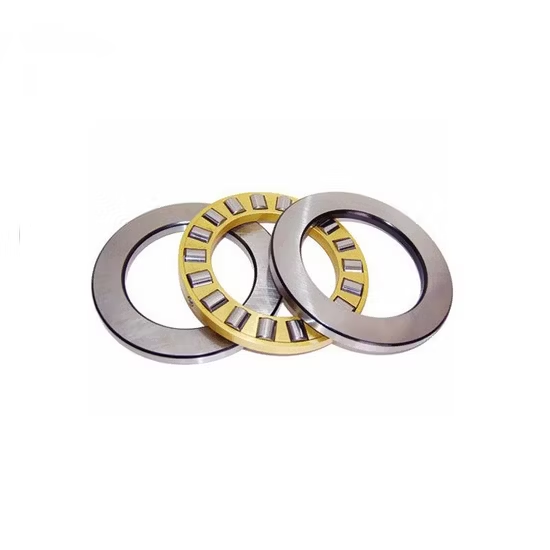
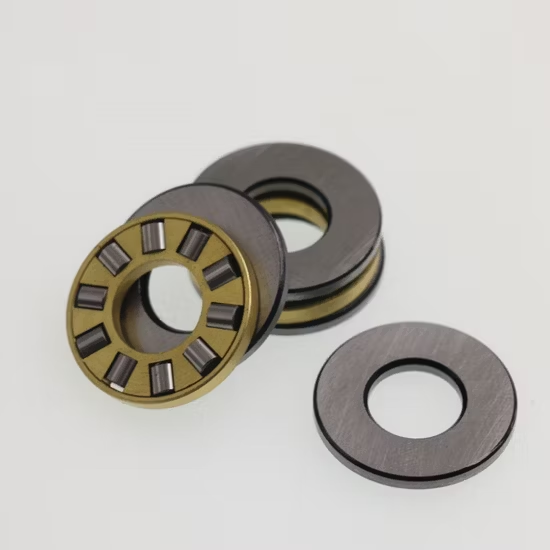
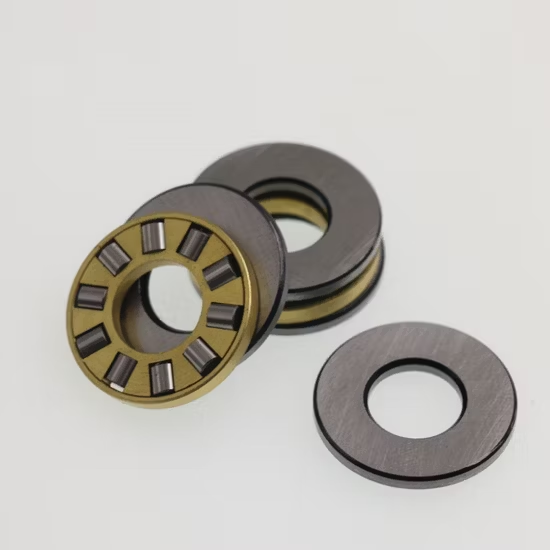
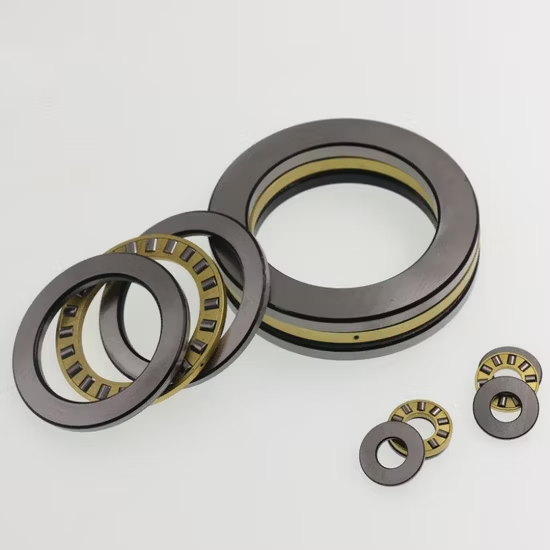
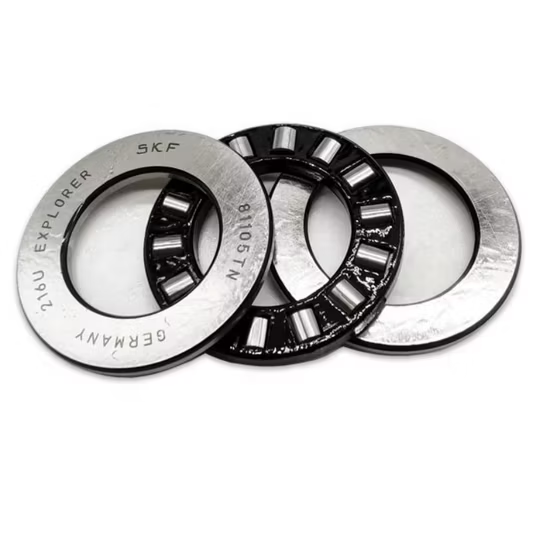
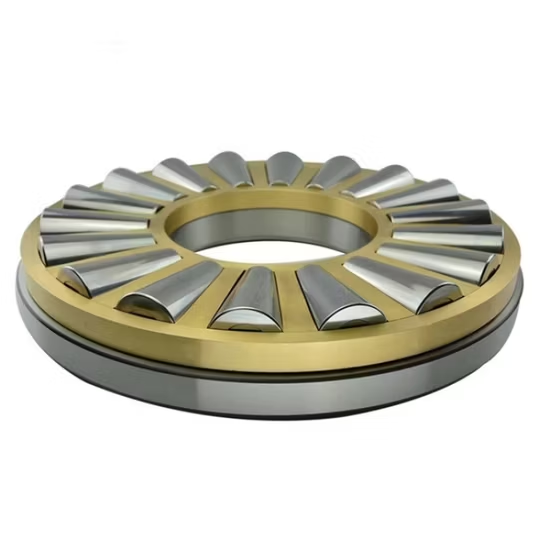
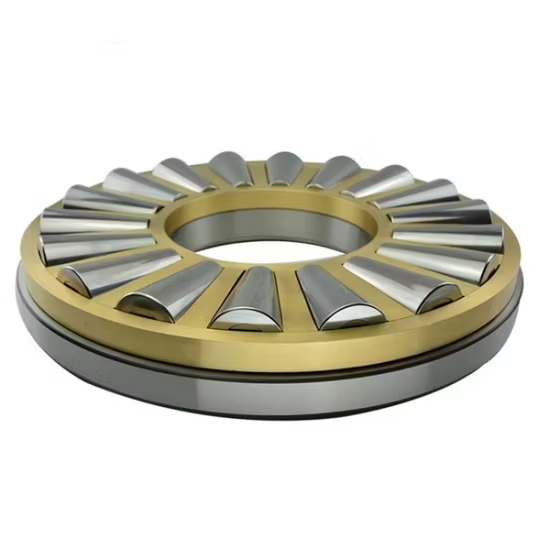
81217 Thrust Cylindrical Roller Bearing — engineered for heavy unidirectional axial loads with line contact between rollers and raceways, delivering optimized stress distribution in demanding industrial environments.
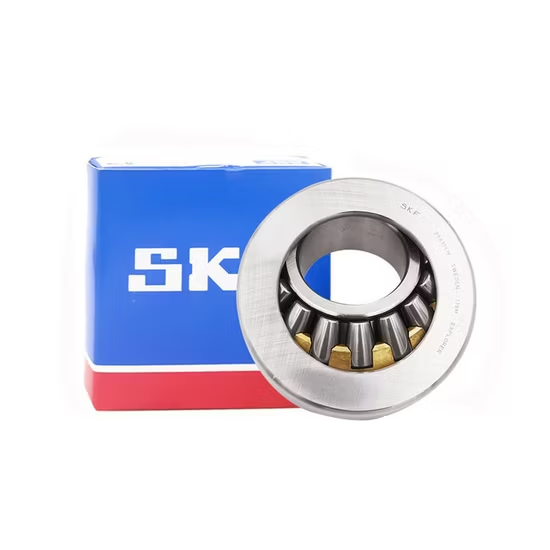
Every unit supports QR verification through brand official apps, enabling batch-level authenticity confirmation before installation.
Traceable Batch Origins — Every 81217 unit ships with manufacturer lot documentation for full supply chain transparency.
| Parameter | Value |
|---|---|
| Designation | 81217 |
| Bearing Type | Thrust Cylindrical Roller Bearing |
| Precision Class | P2 / P4 / P5 / P6 |
| Vibration Level | Z1V1 / Z2V2 / Z3V3 |
| Industry | Typical Applications |
|---|---|
| Heavy-duty gearboxes | Main shaft axial support in industrial reducers |
| Machine tool spindles | Vertical spindle thrust load management |
| Material handling equipment | Crane slewing mechanism axial positioning |
| Industrial pumps | High-pressure impeller axial thrust compensation |
Matching the base number without verifying precision suffixes guarantees thermal failure under continuous axial load.
I transitioned from grinding operations on the shop floor to technical sales across the Yangtze River Delta manufacturing belt, witnessing firsthand how catalog shortcuts destroy equipment. A procurement team once sourced standard precision bearings for a vertical spindle application, ignoring the required P4 tolerance. The resulting axial runout caused severe temperature spikes and unplanned downtime within weeks . When buyers focus solely on the base designation, they overlook the critical internal geometry and precision grades necessary for heavy axial loads, turning a minor purchasing oversight into a catastrophic mechanical failure.
Selecting the correct tolerance band for an 81217 thrust cylindrical roller bearing dictates whether a machine tool spindle maintains its geometric accuracy during heavy cutting operations. Standard grades introduce microscopic axial play that amplifies vibration at high rotational speeds. By mapping the specific spindle rigidity requirements to P4 or P2 precision classes, we ensure the rolling elements maintain uniform line contact, effectively neutralizing the axial deflection that compromises surface finish quality.
Vertical shafts in material handling and pump systems endure relentless unidirectional thrust combined with sudden shock loads from starting and stopping cycles. Standard tolerance bearings often exhibit excessive vibration signatures under these conditions, accelerating raceway fatigue. Specifying Z2V2 or Z3V3 vibration levels ensures the internal components are manufactured to tighter geometric controls, significantly dampening the operational noise and protecting the housing from resonant structural damage .
The bare 81217 designation in general catalogs often masks the necessity for specific precision and vibration selections. Unlike radial bearings that rely on radial internal clearance to manage thermal expansion, thrust cylindrical roller bearings depend entirely on the machining accuracy of the roller profiles and raceway flatness. Understanding that the base number is merely a dimensional envelope allows engineers to mandate the exact P-class and V-class combinations required to prevent the rollers from skewing under extreme axial pressure.
Deploying a standard precision bearing in a high-rigidity gearbox or spindle environment inevitably leads to premature raceway spalling and cage fracture. According to failure mode classifications outlined in ISO 15243, inadequate geometric accuracy in thrust applications accelerates surface fatigue and smearing . This misalignment between the purchased component and the operational reality results in voided equipment warranties, extensive secondary damage to adjacent shafts, and severe production delays that far exceed the initial component cost.
Our procurement strategy eliminates the risk of counterfeit inner rings and cloned verification codes that plague the industrial spare parts market. We cross-reference the exact P4 or P5 requirements against authorized manufacturer databases, ensuring the internal design matches the OEM specification rather than just the outer dimensions. Every shipment is backed by batch traceability, allowing your maintenance team to verify the material origin and precision grade through official brand applications before the bearing ever leaves the storeroom.
To guarantee the selected precision and vibration grades align with your operational parameters, please provide the exact axial load profiles, rotational speeds, and thermal operating ranges. Supplying the original equipment manufacturer part numbers allows our engineering team to perform a comprehensive cross-reference check, ensuring the internal geometry and tolerance classes perfectly match your machinery's design intent.
Q: Why is matching the precision class critical when cross-referencing thrust bearings?
A: Base dimensions might match, but substituting a P6 bearing where a P4 is specified introduces axial runout that destroys spindle accuracy. Cross-referencing must align the exact tolerance class, vibration level, and internal geometry to prevent thermal binding and premature raceway fatigue under continuous thrust loads.
Q: How do vibration levels like Z2V2 affect heavy-duty gearbox performance?
A: Higher vibration grades indicate tighter manufacturing controls on roller profiles and raceway flatness. In heavy-duty gearboxes, specifying Z2V2 or Z3V3 minimizes operational noise, reduces resonant vibration transfer to the housing, and significantly extends the fatigue life of the bearing under severe axial shock conditions.
Q: What causes thermal instability in vertical spindle thrust applications?
A: Thermal instability typically stems from inadequate precision classes causing uneven load distribution among the cylindrical rollers. When standard tolerance bearings are used in high-speed spindles, the resulting microscopic skewing generates excessive friction heat, leading to thermal expansion that further exacerbates the axial binding and eventual seizure.
Q: How should we verify the authenticity of the received thrust bearings?
A: Authenticity is verified by scanning the manufacturer's QR code using their official mobile application, which confirms the batch origin and production facility. Additionally, cross-checking the accompanying Certificate of Conformity and dimensional inspection reports ensures the physical components match the documented precision and vibration specifications.
Our 5-step process ensures every order is engineered, validated, and supported for optimal performance.
Technical needs assessment
Custom specifications
Free samples for $50k+
Pre-shipment inspection
On-site & predictive
Our certified engineers respond within 24 hours with detailed technical specifications, pricing, and lead time information.