01
Consultation
Technical needs assessment

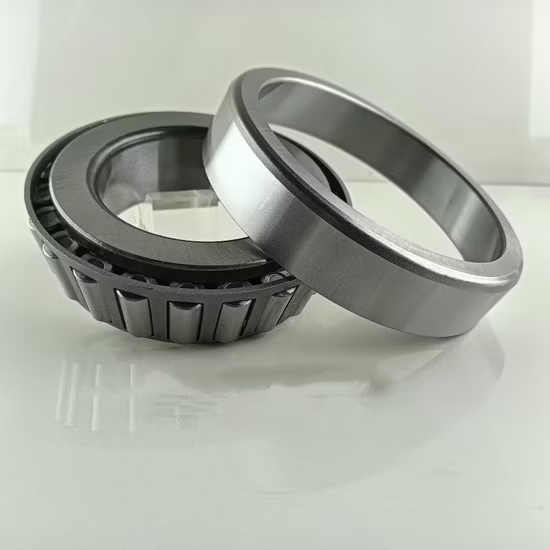
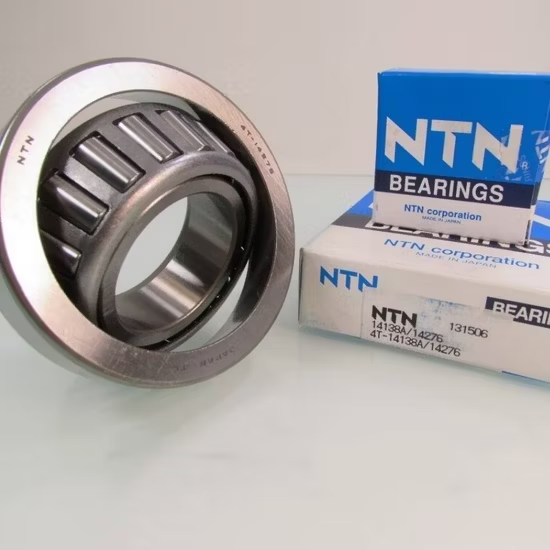

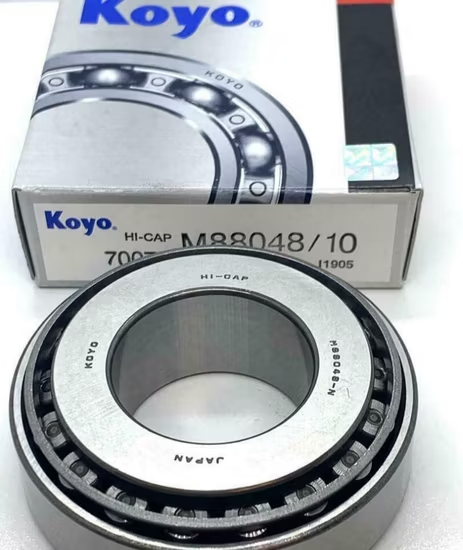
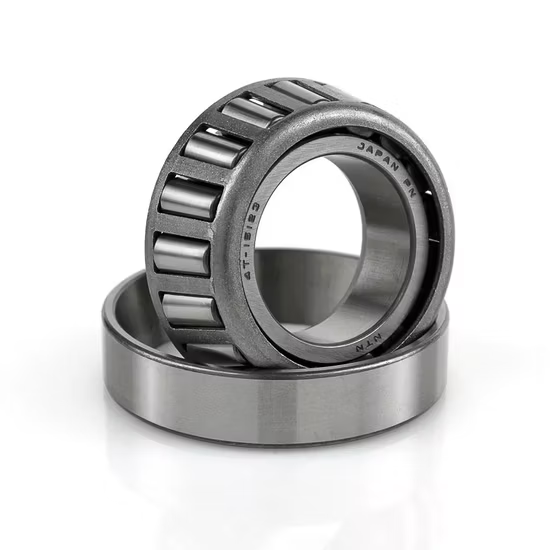
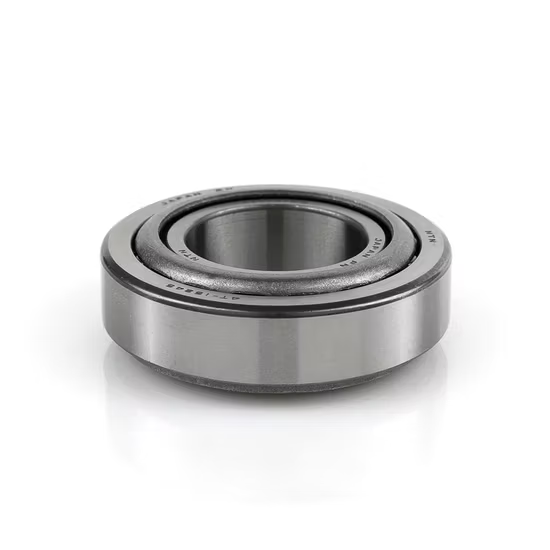
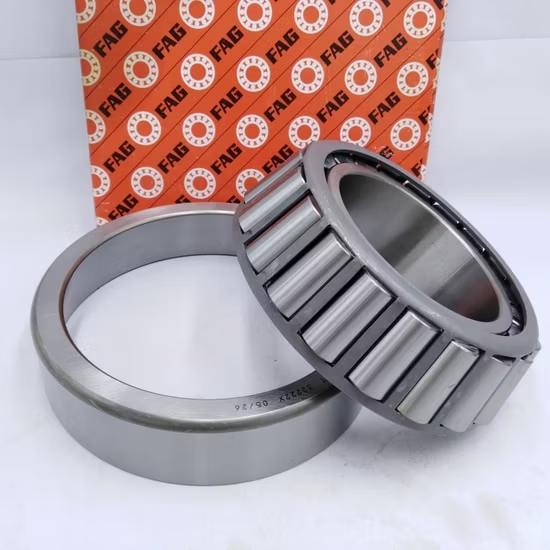
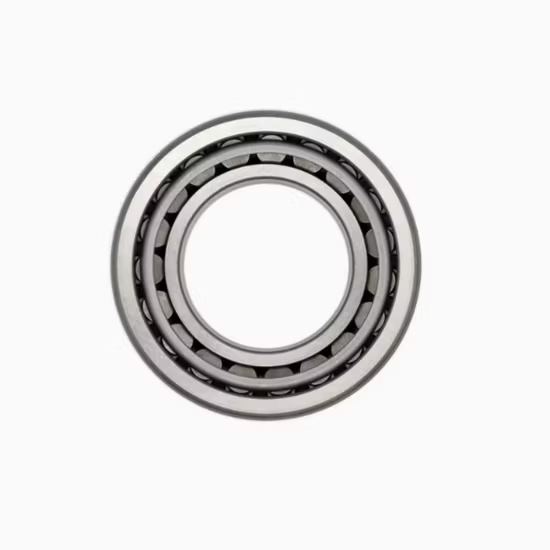
14138A/14276 Inch Tapered Roller Bearing 34.925×69.012×19.845 mm P4 — machined from GCr15 steel to manage combined radial and unidirectional axial loads.
Unified Multi-Brand Sourcing — Procure the 14138A/14276 alongside SKF, FAG, or TIMKEN equivalents in a single authorized shipment, eliminating multi-vendor coordination.
| Parameter | Value |
|---|---|
| Designation | 14138A/14276 |
| Bearing Type | Inch Tapered Roller Bearing |
| Bore Diameter (d) | 34.925 mm (1.375 inch) |
| Outside Diameter (D) | 69.012 mm (2.717 inch) |
| Width (T) | 19.845 mm (0.781 inch) |
| Number of Rows | Single Row |
| Precision Class | P4 |
| Material | GCr15 Bearing Steel |
| Cage Material | Available in nylon, brass, or pressed iron variants |
| Customization | Available |
| Origin | Manufacturer's production facilities |
| Industry | Typical Applications |
|---|---|
| Industrial Gearboxes | Helical and bevel gear shaft support mechanisms |
| Manufacturing Plants | Conveyor drive pulleys and material handling rollers |
| Automotive Wheel Hubs | Light-duty trailer axles and agricultural implement wheels |
| Machinery Equipment | Vibrating screen eccentrics and crusher drive shafts |
Matching the outer cup and inner cone designation is only the first step; overlooking internal geometry or precision tolerances leads to rapid thermal binding under heavy loads.
I have seen countless gearboxes in Latin American mining operations seize up because a standard internal design was installed where a specific cage configuration was required. The base number matched perfectly on the purchase order, but the internal components could not handle the combined radial and axial forces, causing premature cage failure and unplanned downtime. Procurement teams often focus solely on the outer dimensions, ignoring the fact that internal design variations drastically alter the load-carrying capacity and thermal limits of the assembly .
Selecting the right 14138A/14276 inch tapered roller bearing requires more than just verifying the bore and outside diameter against the old part. Our engineering team reviews your specific load profiles, shaft deflection data, and operating temperatures to ensure the selected cage material and precision class align perfectly with the application. This comprehensive cross-reference alignment prevents the subtle mismatches that cause catastrophic field failures.
Tapered roller bearings in gearboxes and crushers endure severe combined loads and frequent shock impacts that test the limits of the raceway geometry. High rotational speeds generate significant internal friction heat, which can rapidly degrade standard lubricants and cause thermal expansion that alters the critical roller-to-raceway contact pattern. If the bearing operates in a dusty or heavily contaminated environment, inadequate sealing at the housing level allows abrasive particles to score the precision-ground surfaces. Maintaining the correct operational clearance under these fluctuating thermal conditions is essential to prevent the rollers from skidding or the cage from breaking apart .
The P4 precision class specified for this single-row inch tapered structure ensures significantly tighter dimensional and running accuracy compared to standard commercial grades. This enhanced geometric accuracy minimizes internal vibration and ensures uniform load distribution across all rollers, which is critical for high-speed gearbox shafts. Furthermore, the cage material must be selected based on the specific operational environment: brass cages offer superior durability and heat dissipation under heavy shock loads, while nylon variants provide lower friction and quieter operation at higher speeds. Pressed iron cages serve as a cost-effective alternative for moderate load applications where extreme thermal stability is not the primary concern.
Installing a bearing that matches the base designation but lacks the correct internal geometry inevitably leads to premature failure and catastrophic damage to the surrounding housing. When the clearance or cage material is mismatched, the bearing generates excessive heat, causing the lubricant to carbonize and the rollers to weld to the raceway. This type of failure not only destroys the bearing but also scores the shaft and housing, turning a simple component replacement into a major machinery rebuild. According to industry failure analysis frameworks, a significant share of these premature failures stems directly from incorrect cross-referencing that ignores internal design nuances .
We provide authorized coverage across all major international brands, allowing you to source the 14138A/14276 alongside other required SKF or FAG components in a single order. Our cross-brand interchange process strictly matches clearance, cage material, and precision class—not just the base inch designation—to prevent thermal binding. Every shipment includes full batch traceability to the manufacturer, ensuring you receive genuine GCr15 steel components rather than counterfeits with soft inner rings. We also conduct application-based selection reviews to verify that the chosen single-row tapered structure can handle your specific combined load and speed parameters.
To ensure the 14138A/14276 is the exact match for your machinery, please provide the specific radial and axial load values, operating speeds, and typical temperature ranges. Sharing the OEM equipment number or the exact designation printed on the original bearing allows our engineering team to perform a comprehensive cross-reference check. This technical review guarantees that the internal geometry, cage material, and precision class perfectly align with your application requirements before the order is finalized.
Q: How do I verify the authenticity of the 14138A/14276 using official brand apps?
A: Genuine bearings feature specific QR codes or holographic labels on the packaging. By scanning these codes with the manufacturer's official mobile application, you can instantly verify the batch number, production date, and origin. This digital traceability confirms the bearing is not a counterfeit with a soft inner ring that would fail under heavy loads.
Q: Why must cage material and precision be aligned during cross-referencing?
A: Matching only the base inch designation ignores critical internal differences. A brass cage handles heavy shock loads and high temperatures better than nylon, while P4 precision ensures tight running accuracy for high-speed shafts. Misaligning these factors causes excessive friction, thermal binding, and premature cage failure in the field.
Q: What are the boundary conditions for selecting different cage materials?
A: Brass cages are preferred for heavy loads, high temperatures, and severe vibration environments due to their structural rigidity. Nylon cages offer lower friction and quieter operation, making them ideal for high-speed applications with moderate loads. Pressed iron cages provide a reliable, cost-effective solution for standard industrial gearboxes operating under normal conditions.
Q: How does P4 precision differ from standard precision in tapered applications?
A: P4 precision dictates significantly tighter tolerances for bore, outside diameter, and running accuracy compared to standard grades. This enhanced geometric accuracy ensures uniform load distribution across the rollers, reducing internal vibration and heat generation, which is critical for extending the service life of high-speed or precision machinery.
Q: What mounting practices are recommended for single-row inch tapered bearings?
A: The inner cone should typically be mounted using induction heating to expand it evenly without damaging the precision raceway. After seating the components, the axial clearance or preload must be carefully adjusted using shims or locknuts to accommodate thermal expansion during operation, preventing the bearing from running too tight or too loose.
Our 5-step process ensures every order is engineered, validated, and supported for optimal performance.
Technical needs assessment
Custom specifications
Free samples for $50k+
Pre-shipment inspection
On-site & predictive
Our certified engineers respond within 24 hours with detailed technical specifications, pricing, and lead time information.