01
Consultation
Technical needs assessment

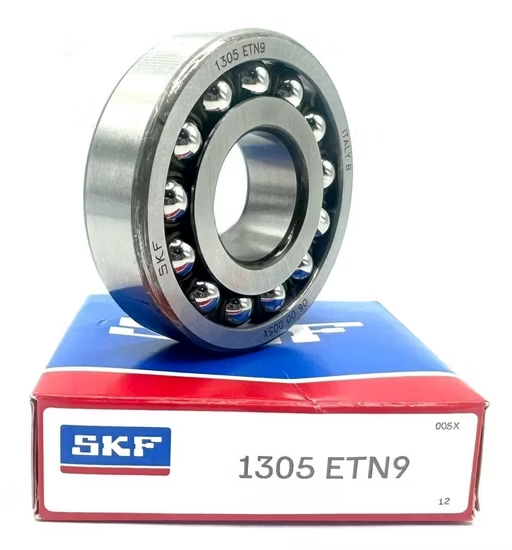
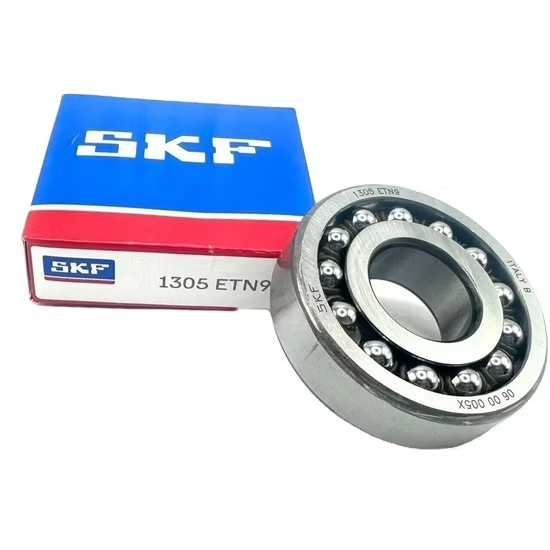
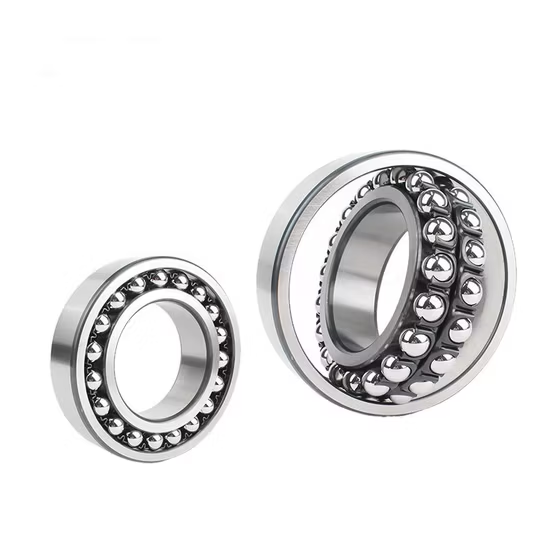
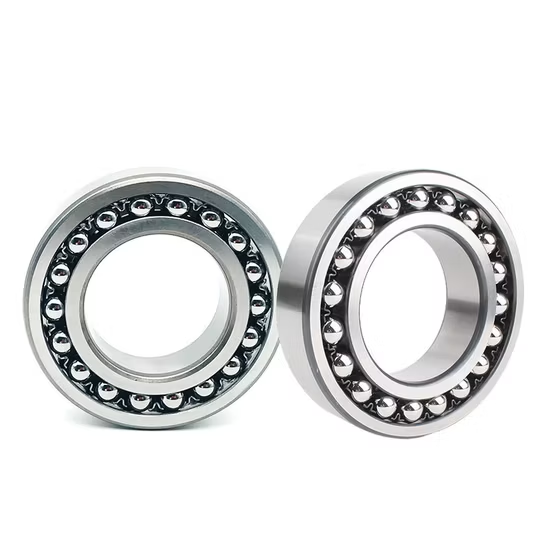

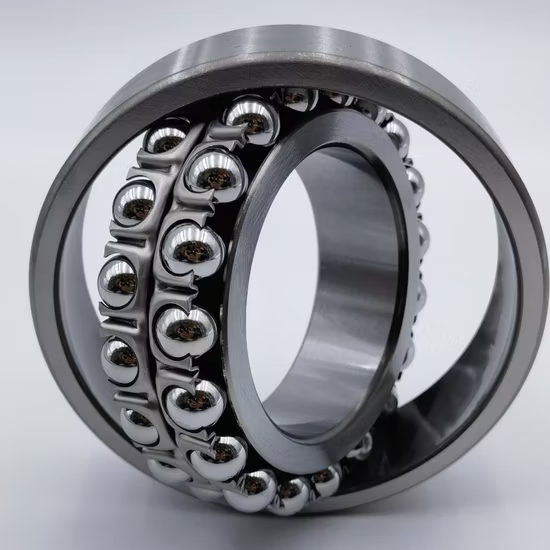
1310 Atn9 Self-Aligning Ball Bearing 50×110×27 mm — the self-aligning design accommodates shaft misalignment, effectively reducing edge stress and preventing premature failure in industrial gearboxes and electric motors.
Multi-Brand Authorized Sourcing — Procure the 1310 Atn9 alongside mixed SKF, FAG, or NSK requirements in one consolidated shipment with unified batch traceability.
| Parameter | Value |
|---|---|
| Designation | 1310 Atn9 |
| Product Type | Self-Aligning Ball Bearing |
| Bore Diameter (d) | 50 mm |
| Outside Diameter (D) | 110 mm |
| Width (B) | 27 mm |
| Bearing Style | Open, Rubber Seals, Iron Seals |
| Origin | Germany, Japan, Sweden, Malaysia, China |
| HS Code | 848210 |
The 'Atn9' suffix includes an unverified prefix requiring manufacturer catalog confirmation; standard polyamide cage codes typically read TN9, while the 'A' may indicate a specific internal design variant.
| Industry | Typical Applications |
|---|---|
| Electric Motors | Rotor shaft support accommodating minor end-shield misalignment |
| Industrial Gearboxes | Secondary shaft mounting absorbing housing deflection under load |
| Material Handling | Conveyor pulley bearings subjected to belt tension and frame flex |
| Agricultural Machinery | Drive shafts in harvesters exposed to dust and structural twisting |
Matching the base 1310 dimension is only the first step; ignoring the specific cage and internal design suffix leads to rapid field failure.
I have seen too many maintenance teams in the Pearl River Delta replace a failed unit by ordering just the "1310" base number, completely overlooking the cage material suffix. Years ago, a batch of 1312 M bearings was swapped with stamped steel cages instead of the required machined brass, resulting in cage fragmentation under high vibration. When sourcing a 1310 Atn9 self-aligning ball bearing, assuming any 50x110x27mm self-aligning unit will survive your specific gearbox or motor environment is a costly gamble . The internal clearance and cage design must precisely match the thermal expansion and vibration profile of your machinery.
Selecting the correct configuration goes beyond basic dimensions. Our technical team reviews your specific load vectors and rotational speeds to ensure the chosen seal type and internal clearance prevent thermal binding. We cross-reference your OEM equipment numbers to verify that the replacement 1310 Atn9 self-aligning ball bearing perfectly mirrors the original equipment manufacturer's exact performance parameters.
In electric motors and conveyors, shafts naturally deflect under load, and housings expand as temperatures rise during continuous operation. If the internal clearance is too tight, thermal expansion eliminates the operational gap, causing the rolling elements to skid and generate excessive friction heat. Conversely, inadequate sealing in agricultural or material handling environments allows abrasive dust to infiltrate the raceway, grinding away the lubricant and accelerating surface fatigue . Choosing between open, rubber-sealed, or iron-shielded variants dictates how well the unit resists these specific environmental stressors.
The 50x110x27mm footprint defines the physical envelope, but the suffix dictates survival. The polyamide cage variant (often denoted by TN9 or similar derivatives) offers excellent high-speed capabilities and lower friction, making it ideal for electric motor rotors. However, if the application involves heavy shock loads or elevated temperatures beyond the polymer's thermal limit, a machined brass cage (M suffix) becomes mandatory to prevent cage deformation. Furthermore, the internal clearance class—whether standard (CN) or expanded (C3)—must be selected based on the interference fit of the shaft and the expected operating temperature gradient to maintain optimal rolling contact.
Installing a standard clearance bearing in a high-heat gearbox or using a polymer cage in a high-vibration crusher does not just reduce lifespan; it invites catastrophic secondary damage. Premature seizure can destroy the shaft journal and score the housing bore, turning a simple component swap into a major machining repair. According to ISO 15243 frameworks, lubrication failure and cage breakage are primary root causes of unexpected downtime, both of which stem directly from specifying the wrong internal design for the actual operating conditions .
We do not just ship boxes; we engineer confidence. When you request a 1310 series replacement, we actively verify the cage material and clearance suffix against your application data, preventing the disastrous mismatches I have witnessed firsthand. Our authorized multi-brand network means you get genuine components with full batch traceability, eliminating the risk of soft inner rings from counterfeit sources. Every cross-reference we provide aligns the internal geometry, not just the outer dimensions, ensuring your equipment runs as designed.
To ensure optimal performance, share your specific radial and axial load profiles, operating speeds, and ambient temperature ranges with our technical team. Providing the original OEM equipment designation allows us to perform a precise cross-reference check, confirming that the internal clearance and cage material perfectly suit your machinery's unique demands.
Q: Why must the cage and clearance suffixes match the base 1310 number?
A: The base number only defines the 50x110x27mm physical dimensions. The suffix dictates the internal clearance and cage material, which control thermal expansion tolerance and vibration resistance. Installing a standard clearance or incorrect cage type in high-heat or high-vibration environments causes thermal binding or cage fragmentation, leading to rapid, unplanned downtime.
Q: How can I verify the authenticity of the supplied bearings?
A: Every unit we supply includes a Certificate of Conformity and batch traceability documentation. You can scan the QR code on the packaging using the manufacturer's official mobile application to instantly verify the origin and authenticity, ensuring you are installing genuine components rather than visually identical counterfeits with substandard metallurgy.
Q: What do common suffixes like TN9 or M mean for my application?
A: TN9 typically indicates a glass fiber-reinforced polyamide cage, which is lightweight and ideal for high-speed, low-friction applications like electric motors. The M suffix denotes a machined brass cage, which is significantly more durable under heavy vibration, shock loads, or higher temperatures where polymer cages would soften and fail.
Q: How do I choose between open, rubber, or iron seals?
A: Open bearings require external lubrication systems and are suited for clean environments. Rubber seals provide excellent protection against dust and moisture but generate slightly higher friction. Iron shields offer a compromise, keeping out large debris with minimal friction, making them suitable for moderately contaminated, higher-speed conveyor applications.
Q: What is the best method to install this 50mm bore bearing?
A: For interference fits on the shaft, use an induction heater to expand the inner ring evenly, avoiding localized overheating that damages the raceway. Never apply mounting force through the rolling elements or the cage. Ensure the shaft shoulder radius is small enough to clear the inner ring corner radius, allowing the bearing to seat fully square.
Our 5-step process ensures every order is engineered, validated, and supported for optimal performance.
Technical needs assessment
Custom specifications
Free samples for $50k+
Pre-shipment inspection
On-site & predictive
Our certified engineers respond within 24 hours with detailed technical specifications, pricing, and lead time information.

