01
Consultation
Technical needs assessment


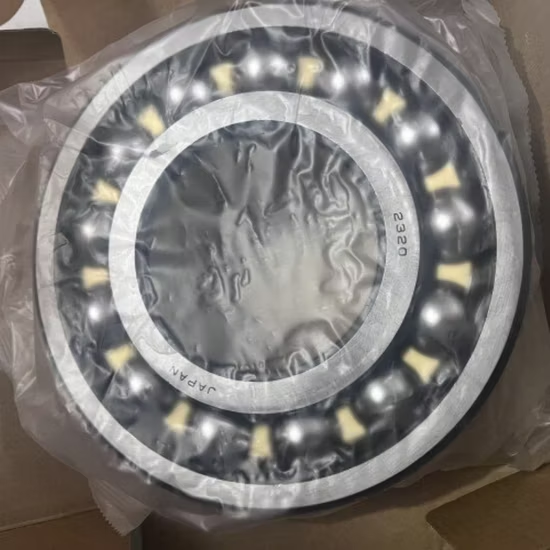
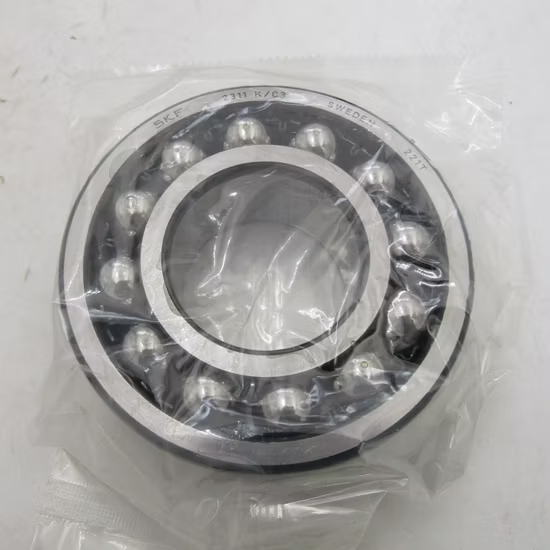
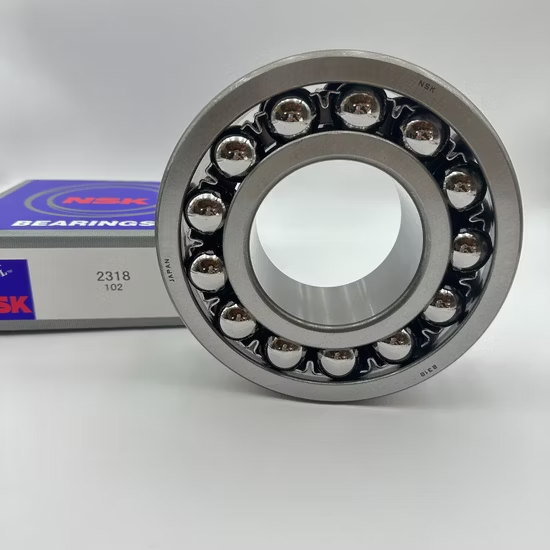

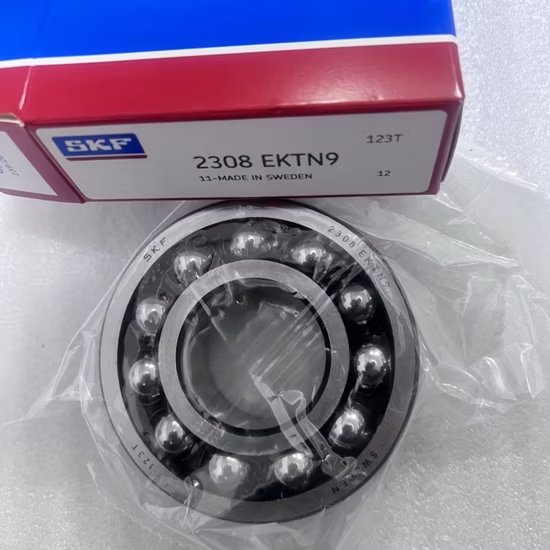
High-Temperature Self-Aligning Ball Bearing for Power Tools — heat-resistant bearing steel construction with self-aligning inner ring to accommodate shaft deflection under continuous thermal cycling.
Every order ships with material test reports and dimensional inspection records for full traceability.
Verified via official apps — Every batch of these high-heat bearings carries a scannable QR code linked directly to the manufacturer's authentication database.
| Parameter | Value |
|---|---|
| Product Type | Self-Aligning Ball Bearing |
| Seal or Shield Type | Open, Rubber Seals, Iron Seals |
| Material Options | Standard bearing steel, high-temperature alloy variants |
| Origin | Germany, Japan, Sweden, Malaysia, China |
| Certification | ISO 9001 manufacturing compliance |
| Customization | Cross-brand interchange matching |
| Industry | Typical Applications |
|---|---|
| Power Tools | High-speed motor armatures and planetary gear supports |
| Textile Machines | Yarn tensioner pulleys and high-speed spindle drives |
| Conveyor Systems | Drive roller end-supports exposed to friction heat |
| Agricultural Machinery | PTO shaft joints and harvesting header drives |
| Material Handling | Automated guided vehicle wheel hubs and lift mast rollers |
Thermal expansion binds the rolling elements when internal clearance and cage materials are mismatched for the operating temperature.
I spent years on production lines in Vietnam watching power tools return for warranty repairs due to seized motor bearings. Teardowns often revealed that the so-called heat-resistant self-aligning bearings inside were just standard stamped steel cages that warped and jammed under sustained thermal load. Sourcing from a reliable high-temperature self-aligning ball bearing supplier prevents this exact failure by ensuring the internal geometry actually accommodates the heat generated by high-speed electric motors .
Selecting the right high-temperature self-aligning ball bearing supplier means looking past the basic outer dimensions to evaluate how the internal components react to heat. We review the specific thermal expansion rates of the inner ring, outer ring, and rolling elements to recommend the correct internal clearance class. This prevents the radial play from disappearing entirely once the motor reaches its peak operating temperature.
Power tool armatures and textile spindles generate intense localized heat while spinning at extreme speeds, demanding a careful balance between friction and protection. Rubber seals offer excellent dust exclusion for agricultural and material handling environments but can generate excessive drag heat in high-RPM power tool motors. Open or iron-shielded configurations reduce that friction, though they require cleaner operating environments or external housing seals to prevent abrasive ingress .
The internal clearance must be deliberately widened beyond standard values to compensate for the differential thermal expansion between the shaft and the housing. Cage material selection is equally critical; while standard stamped steel cages may deform under sustained heat, machined brass or specialized high-temperature polymer variants maintain their structural integrity and prevent rolling element skewing. We provide these material and clearance options to ensure the bearing survives the specific thermal boundary of your equipment.
Installing a standard clearance bearing in a high-heat application inevitably leads to thermal binding, where the expanding shaft eliminates all internal play and forces the rolling elements to slide rather than roll. This generates catastrophic friction, rapidly degrading the lubricant and destroying the raceways within hours of operation. According to ISO 281 life calculation frameworks, operating under these bound conditions reduces the fatigue life to a fraction of its theoretical rating, resulting in unplanned downtime and voided equipment warranties .
We maintain authorized distribution channels across all major international brands, allowing you to consolidate mixed-brand requirements into a single, fully traceable order. Counterfeit bearings with soft inner rings are a massive risk in high-speed power tools, which is why we verify every batch through official brand apps. Our cross-reference process aligns the internal clearance, cage material, and seal type—not just the basic boundary dimensions—ensuring the replacement actually survives your specific thermal environment.
To determine the exact designation for your equipment, please provide the continuous and peak operating temperatures, maximum RPM, and the specific radial and axial loads. Sharing the exact installation space constraints and the OEM equipment number allows our engineering team to calculate the required thermal clearance and recommend the optimal seal or shield configuration.
Q: How do I determine the exact bearing designation for my power tool motor?
A: Provide the maximum operating temperature, peak RPM, and the specific radial and axial loads. Our engineering team uses these parameters to calculate the necessary thermal expansion allowance and select the appropriate internal clearance and cage material, translating your application data into the exact manufacturer designation.
Q: What causes self-aligning bearings to fail prematurely in high-temperature applications?
A: The most common failure mode is thermal binding, where standard internal clearance is consumed by shaft expansion, causing the rolling elements to slide and overheat. Additionally, standard stamped steel cages often warp under sustained heat, leading to rolling element skewing and rapid lubricant degradation.
Q: How do rubber seals compare to iron shields in high-heat, high-speed environments?
A: Rubber seals provide superior protection against dust and moisture, making them ideal for agricultural or material handling equipment. However, in high-speed power tool motors, the contact friction of rubber lips can generate excessive heat. Iron shields offer a non-contact alternative that reduces friction while still blocking larger contaminants.
Q: Can I replace a discontinued OEM bearing with a cross-brand alternative?
A: Yes, but the cross-reference must go beyond matching the basic boundary dimensions. We verify that the alternative brand offers the exact same internal clearance class, high-temperature cage material, and seal configuration to ensure the replacement performs identically under your specific thermal and speed conditions.
Our 5-step process ensures every order is engineered, validated, and supported for optimal performance.
Technical needs assessment
Custom specifications
Free samples for $50k+
Pre-shipment inspection
On-site & predictive
Our certified engineers respond within 24 hours with detailed technical specifications, pricing, and lead time information.