01
Consultation
Technical needs assessment

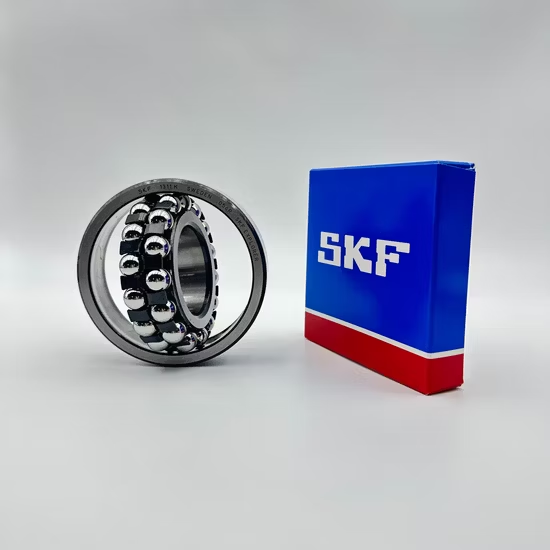
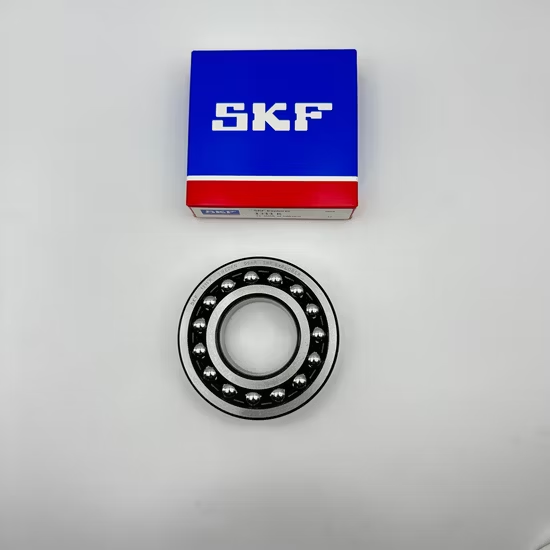

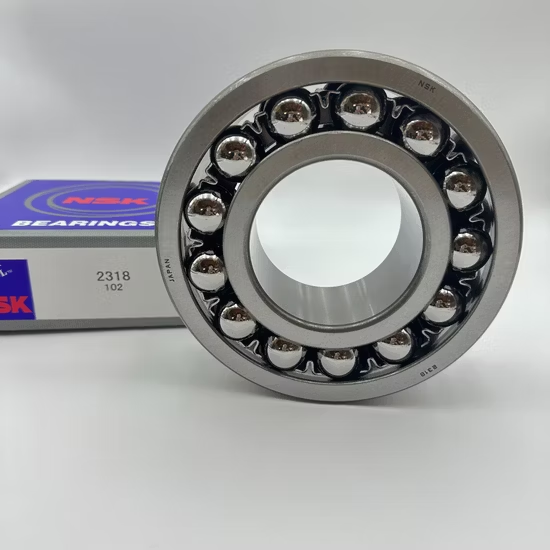

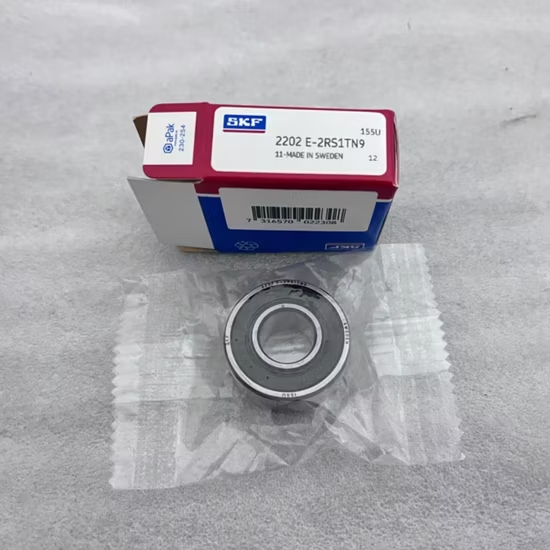
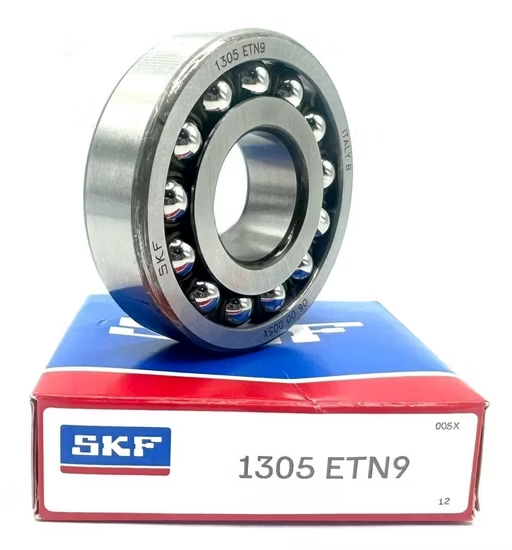
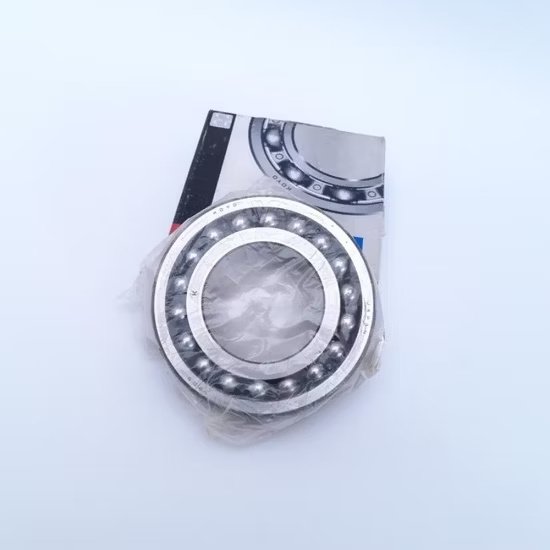
129 Self-Aligning Ball Bearing — optimized for electrical instruments requiring low friction and high-speed capability.
Three-point cross-reference alignment — matching the base number, seal variant, and internal clearance to prevent resonance in sensitive measuring devices.
| Parameter | Value |
|---|---|
| Designation | 129 |
| Bearing Type | Self-Aligning Ball Bearing |
| Bearing Style | Open, Rubber Seals, Iron Seals |
| Feature | Low Noise, High Speed, Long Service Life |
| Material | Standard bearing steel, stainless steel variants available |
| Customization | OEM configurations and multi-brand sourcing |
| Origin | Germany, Japan, Sweden, Malaysia, China |
Note: The "tn" suffix appearing in some cross-references is an unverified designation requiring manufacturer catalog confirmation before procurement.
| Industry | Typical Applications |
|---|---|
| Electrical Instruments | Precision measuring spindles, low-friction sensor rotors |
| Electric Motors | High-speed micro-motor shafts, cooling fan assemblies |
| Household Appliances | Quiet-running vacuum cleaner motors, small appliance drives |
Matching the basic designation is never enough when internal design variations dictate operational silence.
I have processed countless export documents in Dongguan and witnessed entire containers returned because buyers only matched the base number. In one batch of electrical instrument bearings, the stamped steel cages caused severe resonance at high rotational speeds, resulting in unacceptable noise levels. A significant share of premature failures stems from overlooking suffix differences that alter cage dynamics or seal friction . Procurement teams often assume the basic number guarantees interchangeability, ignoring how internal geometries impact thermal expansion and vibration in delicate equipment.
Selecting the right 129 self-aligning ball bearing requires looking past the outer dimensions to evaluate how the internal components handle specific operational stresses. Our technical team conducts an application-based selection review that covers load profiles, rotational speeds, and mounting constraints. This ensures the chosen variant provides the necessary alignment tolerance without introducing excess friction into sensitive electrical instruments.
High-speed instrument spindles generate localized heat, demanding careful consideration of thermal expansion and lubrication stability. Iron shields offer non-contact protection that minimizes friction, making them ideal for high-RPM applications where temperature rise must be strictly controlled. Conversely, rubber seals provide superior exclusion of fine dust and moisture but introduce contact friction that can limit maximum operating speeds. Selecting the appropriate sealing arrangement directly impacts the lubrication interval and the overall thermal balance of the assembly .
The availability of open, rubber-sealed, and iron-sealed styles allows engineers to balance contamination exclusion against friction limits. Open designs facilitate custom lubrication routines and run cooler at extreme speeds, provided the housing offers adequate sealing. Rubber seals maintain grease retention and block particulate ingress, though the lip contact generates marginal heat that must be factored into the thermal budget. Iron shields provide a middle ground, shielding the rolling elements from larger debris while maintaining the low-friction profile required for high-speed instrument spindles. The cage material and internal clearance must also align with the operational envelope; a standard clearance might bind thermally where a C3 expansion allowance is necessary.
Ignoring suffix variations during cross-referencing routinely leads to unplanned downtime and catastrophic damage to surrounding precision components. When a bearing with incorrect internal clearance is pressed into a tight instrument housing, thermal binding can occur within minutes of operation. This not only voids equipment warranties but also forces costly replacements of entire spindle assemblies. Adhering to ISO 281 life calculation principles requires accurate input data, which is impossible if the physical bearing deviates from the specified internal design .
Our authorized distribution network covers all major international brands, allowing mixed-brand orders to be fulfilled without compromising traceability. We perform cross-brand interchange matching that verifies clearance, cage material, and precision suffixes, rather than relying solely on the base designation. Every shipment includes batch traceability to the manufacturer, supported by QR verification through official brand applications to eliminate counterfeits with soft inner rings. We also provide application-based selection reviews to ensure the chosen bearing withstands the specific load, speed, and temperature conditions of your equipment.
To ensure precise application matching, please provide the radial and axial load profiles, maximum rotational speeds, and operating temperature ranges for your equipment. Supplying the OEM equipment number or existing bearing designation allows our engineering team to conduct a thorough cross-reference review and L10 life verification. Detail any specific environmental exposures, such as fine dust or moisture, so we can recommend the optimal sealing arrangement and material variant for your operational needs.
Q: What happens if the base number matches but the suffix differs during cross-referencing?
A: Overlooking suffix differences can lead to severe operational issues, such as thermal binding or cage resonance. A base number match does not guarantee identical internal clearance, cage material, or seal friction. We verify all suffix parameters to ensure the replacement bearing perfectly aligns with the original equipment's thermal and dynamic requirements.
Q: How do rubber seals and iron shields differ in electrical instrument applications?
A: Rubber seals provide excellent protection against fine dust and moisture but introduce contact friction that generates heat at high speeds. Iron shields offer non-contact protection, minimizing friction and temperature rise, making them preferable for high-RPM instrument spindles where thermal stability is critical and large particulate ingress is less of a concern.
Q: How can I verify the authenticity of multi-brand bearings upon delivery?
A: Every bearing we supply features batch traceability and QR codes that can be scanned using the manufacturer's official mobile applications. This digital verification confirms the origin and specifications, effectively filtering out counterfeit products that might feature soft inner rings or cloned visual markers that pass casual inspections.
Q: Which clearance class is appropriate for high-speed precision instruments?
A: High-speed applications often generate significant internal heat, requiring a clearance class like C3 to accommodate thermal expansion and prevent the bearing from binding under operating temperatures. We review your specific speed and load parameters to recommend the exact clearance needed to maintain optimal running accuracy and prevent premature failure.
Our 5-step process ensures every order is engineered, validated, and supported for optimal performance.
Technical needs assessment
Custom specifications
Free samples for $50k+
Pre-shipment inspection
On-site & predictive
Our certified engineers respond within 24 hours with detailed technical specifications, pricing, and lead time information.