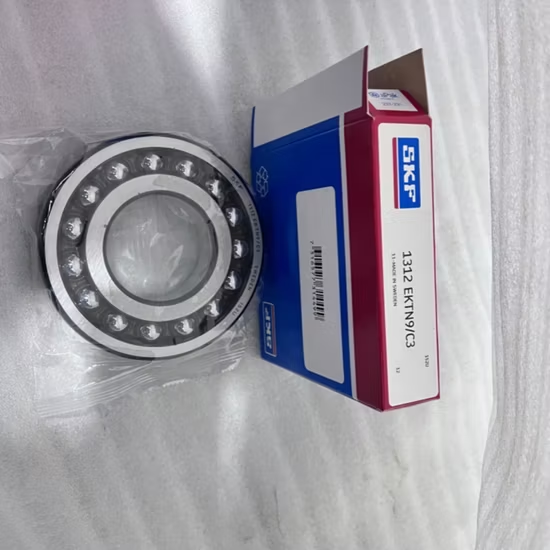
01
Consultation
Technical needs assessment


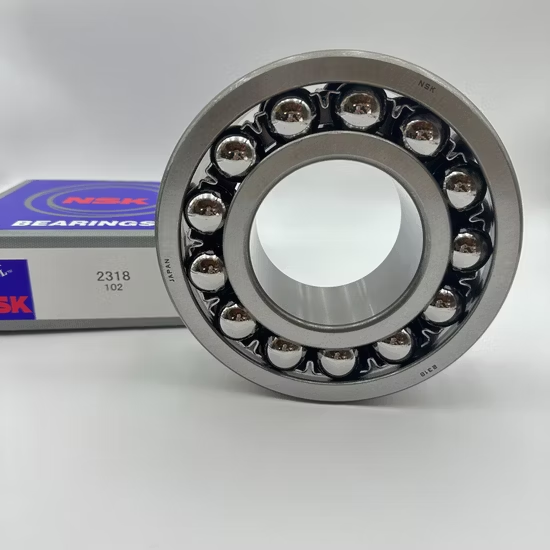
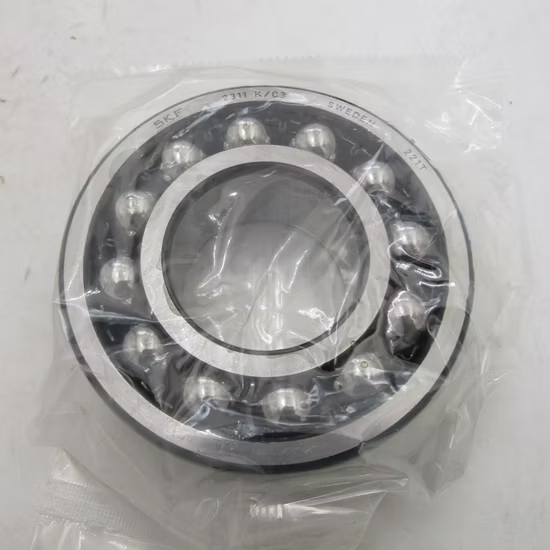
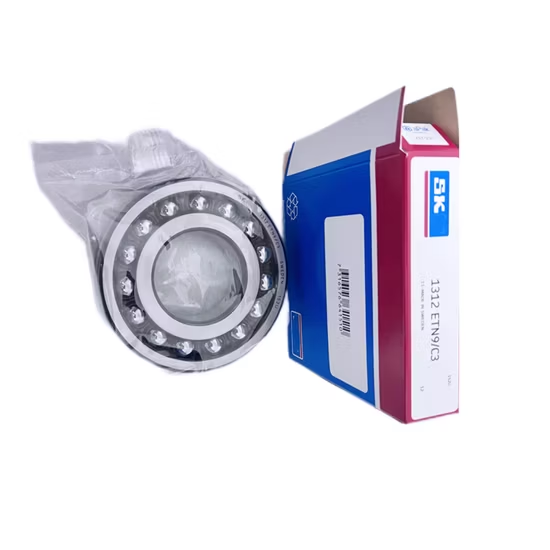


1200 Self-Aligning Ball Bearing — utilizes a double-row spherical raceway to effectively compensate for shaft misalignment in textile and general equipment.
Multi-brand authorized coverage — Source your 1200 self-aligning ball bearing from SKF, FAG, or NSK in a single consolidated shipment without juggling multiple vendors.
| Parameter | Value |
|---|---|
| Designation | 1200 |
| Bearing Type | Self-Aligning Ball Bearing |
| Seal or Shield Type | Open, Rubber Seals, Iron Seals |
| Origin | Germany, Japan, Sweden, Malaysia, China |
| Industry | Typical Applications |
|---|---|
| Textile Machinery | Spinning frame drafting rollers, yarn guide tensioners |
| General Machinery | Conveyor belt return idlers, light material handling pulleys |
| Agricultural Machinery | Seed drill metering shafts, harvester auger supports |
Misaligned shafts and cotton dust infiltration cause early seizure, not just radial loads.
In the Pearl River Delta textile hubs, I have seen countless 1200 self-aligning ball bearing units fail because procurement only matched the base number. When cross-referencing ignores internal clearance and seal variants, the bearing binds thermally or ingests fibrous dust .
Selecting the right 1200 self-aligning ball bearing requires looking beyond the basic designation to evaluate the specific sealing and clearance needs of your spinning or weaving equipment. Our engineering team reviews your operational parameters to ensure the selected variant compensates for shaft deflection while keeping contaminants out. This application-based selection prevents the catastrophic downtime caused by mismatched internal designs.
Textile machinery operates at high rotational speeds where even minor shaft misalignment generates excessive heat and vibration. The spherical outer ring raceway allows the inner ring to align freely, accommodating structural deflections in long drafting roller shafts. However, airborne cotton fibers and sizing agents easily penetrate open variants, demanding rubber or iron seals to protect the lubricant. Proper seal selection balances contamination exclusion with the friction heat generated at elevated speeds .
The base 1200 designation indicates a standard open self-aligning ball bearing, but textile applications frequently require rubber seals to block fibrous dust or iron seals for lighter debris protection. While the spherical raceway handles angular misalignment, the internal clearance must match the thermal expansion of the high-speed shaft. Installing a standard clearance variant where a C3 clearance is required leads to thermal binding, cage failure, and eventual seizure under continuous operation.
Procurement teams often approve a base number match while missing critical suffix differences, leading to unplanned downtime on the production floor. A seal mismatch allows micro-debris to abrade the raceway, causing premature failure long before the calculated fatigue life is reached. Furthermore, incorrect clearance selection triggers thermal expansion issues that warp the shaft and void equipment warranties .
We maintain authorized distribution across all major international brands, allowing you to consolidate mixed-brand requirements for your textile plant into a single order. Our cross-reference process strictly aligns the base designation, seal type, and clearance class, eliminating the field failures caused by superficial part number matching. Every 1200 unit ships with full batch traceability to the manufacturer, ensuring you receive genuine components rather than counterfeits with soft inner rings. We also provide application-based selection reviews to verify that your chosen variant withstands the specific speed and temperature conditions of your machinery.
To ensure precise selection, share your operational parameters including radial and axial loads, rotational speeds, and ambient temperatures for L10 life verification. If you are replacing existing components, provide the exact OEM equipment numbers so our engineering team can perform a comprehensive cross-reference check. Detailing the specific environmental exposure, such as cotton dust concentration or moisture levels, allows us to recommend the optimal seal and clearance configuration for your machinery.
Q: Why does matching only the base 1200 number lead to field failures?
A: The base number only defines the physical dimensions and basic type. Ignoring suffix details like seal type or internal clearance means the bearing might lack necessary dust protection or fail to accommodate thermal expansion at high speeds, resulting in rapid seizure and unplanned downtime in textile applications.
Q: How do I choose between open, rubber, and iron seals for textile machinery?
A: Open bearings require a clean, externally sealed housing with regular relubrication. Rubber seals provide excellent exclusion of fine cotton fibers and moisture but generate slightly more friction heat. Iron seals offer low-friction protection against larger, dry particulate debris where high-speed thermal limits are a primary concern.
Q: How can I verify the authenticity of the 1200 bearings I receive?
A: Every unit we supply includes batch traceability and a Certificate of Conformity. You can scan the QR code on the packaging using the manufacturer's official mobile app to instantly verify the production origin, ensuring the bearing is genuine and not a counterfeit with compromised metallurgy.
Q: When should I specify a C3 clearance instead of standard CN for this bearing?
A: Standard CN clearance is suitable for normal operating temperatures and speeds. However, if your textile machinery operates at high rotational speeds generating significant shaft heat, or if the inner ring is mounted with a tight interference fit, a C3 clearance is required to prevent thermal binding and premature cage failure.
Our 5-step process ensures every order is engineered, validated, and supported for optimal performance.
Technical needs assessment
Custom specifications
Free samples for $50k+
Pre-shipment inspection
On-site & predictive
Our certified engineers respond within 24 hours with detailed technical specifications, pricing, and lead time information.