01
Consultation
Technical needs assessment

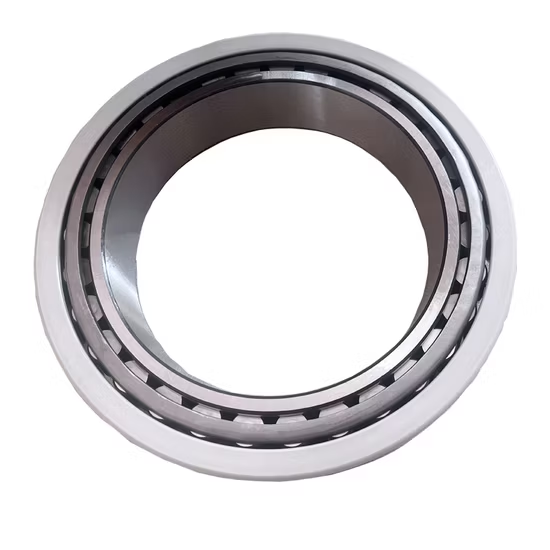

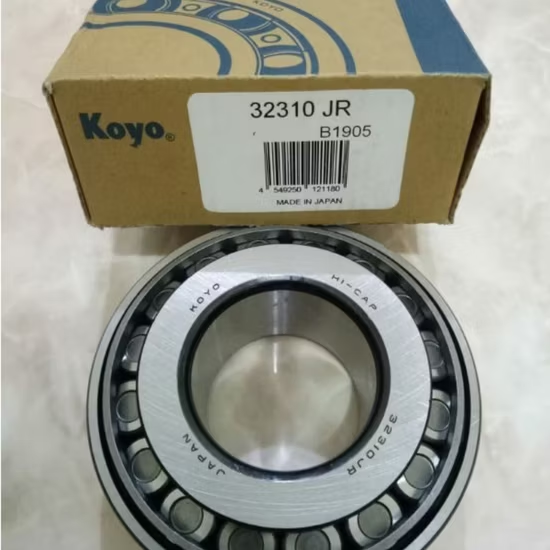
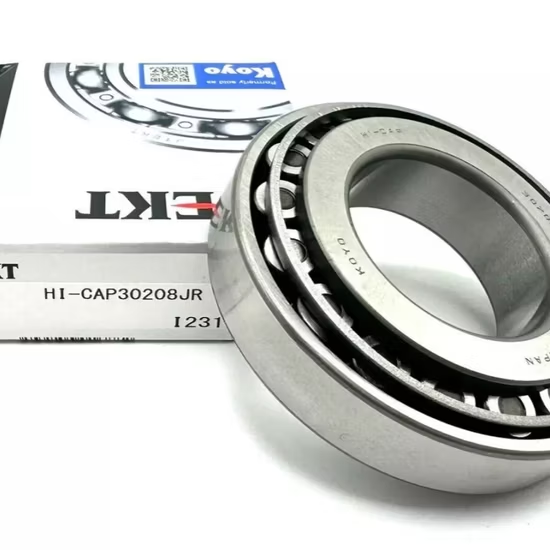

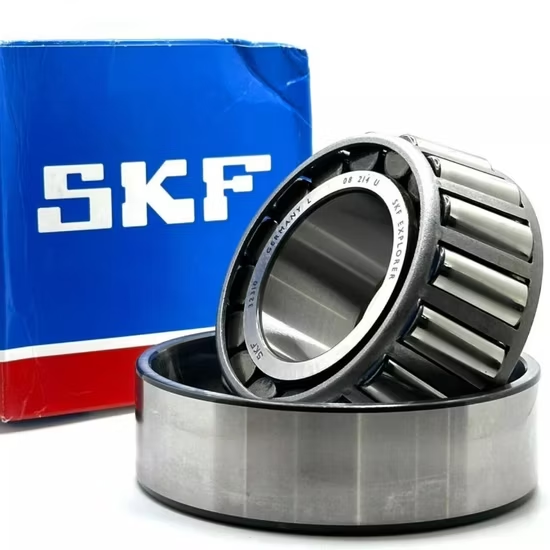
32324 32325 32326 Single Row Tapered Roller Bearing P4 — engineered with GCr15 bearing steel to reliably manage heavy combined radial and axial loads across industrial gearboxes and truck axles.
Cross-reference alignment verified — matching base designation, internal clearance, and cage material to prevent thermal binding in heavy-duty gearboxes.
| Parameter | Value |
|---|---|
| Designation | 32324 32325 32326 |
| Bearing Type | Tapered Roller Bearing |
| Number of Rows | Single Row |
| Precision Class | P4 |
| Cage Material | Available in nylon, brass, or iron variants |
| Material | GCr15 bearing steel |
| Origin | Germany / Japan / Sweden / Malaysia / China |
| Industry | Typical Applications |
|---|---|
| Automotive & Heavy Vehicles | Wheel hub assemblies and truck axle differential pinions |
| Industrial Power Transmission | Heavy-duty gearbox shaft support and output stages |
| Material Handling | Conveyor drive pulleys and stacker reclaimer slew drives |
Base number matching is never enough when internal clearance and cage materials dictate survival.
I have seen too many mining operations in Latin America grind to a halt because a standard CN clearance was forced into a high-temperature gearbox application that strictly required C3. When the 32324 32325 32326 single row tapered roller bearing heats up under continuous heavy load, the shaft expands. Without the correct internal clearance to absorb that thermal growth, the rollers bind against the raceways, leading to rapid heat generation and catastrophic seizure . Procurement teams often focus solely on the base designation, overlooking the fact that missing precision or clearance suffixes will inevitably cause premature cage failure in the field.
Selecting the right configuration for these designations requires looking beyond the catalog number. We review your specific operating parameters to ensure the P4 precision rating and the chosen cage material align perfectly with your equipment's speed and vibration profile. This application-based selection review prevents the costly mismatch of installing an iron cage in a high-speed application where a machined brass or polyamide cage is necessary for adequate lubrication flow and heat dissipation.
Tapered roller designs are engineered to handle combined radial and axial loads, but the real challenge emerges when shock loads intersect with temperature fluctuations. In heavy-duty gearboxes and truck axles, the lubricant must maintain its film thickness under extreme pressure while the internal geometry shifts due to thermal expansion. If the internal clearance is not specified correctly for the operating temperature range, the bearing will run with negative clearance, generating excessive friction heat. Proper mounting practices and precise preload adjustments during assembly are equally critical to prevent localized stress concentrations on the roller ends .
The P4 precision class specified for these designations ensures tighter dimensional and running accuracy, which is vital for minimizing vibration in high-speed industrial gearboxes. The cage material selection acts as the primary defense against operational failure. Nylon cages offer excellent sliding properties and lower friction at moderate temperatures, while machined brass cages provide superior durability and heat dissipation in high-load, high-temperature environments. Iron stamped cages serve as a cost-effective alternative for standard automotive wheel hub applications where speeds and temperatures remain within conventional limits.
Installing a standard clearance bearing in an application demanding extra internal clearance leads to unplanned downtime and severe secondary damage. When thermal binding occurs, the resulting friction can weld the rollers to the raceway, destroying the housing and the shaft in the process. According to failure analysis frameworks like ISO 15243, a significant share of premature bearing failures stems directly from improper selection of internal clearance and subsequent mounting errors . The financial impact extends far beyond the replacement part, encompassing lost production hours and extensive machinery rebuilds.
Sourcing mixed-brand requirements from a single authorized channel eliminates the risk of receiving counterfeit components with soft inner rings. We ensure that every cross-reference matches not just the base number, but the exact internal design and precision class required by your OEM specifications. Our batch traceability protocols guarantee that the GCr15 material and P4 tolerances are verified against the manufacturer's original production records. This rigorous documentation process protects your equipment from the silent threat of cloned QR codes and substandard metallurgy that plague the secondary market.
To ensure the selected designations perfectly match your machinery, please share your specific radial and axial load profiles, operating speeds, and expected temperature ranges. Providing the OEM equipment number allows our engineering team to perform a comprehensive cross-reference check, verifying that the internal clearance and cage material align with your exact application requirements. This technical review guarantees that you receive components capable of withstanding your specific operational demands without premature failure.
Q: How do I verify the authenticity of these bearings upon delivery?
A: Every shipment includes batch traceability documentation and a unique QR code. You can scan this code using the respective brand's official mobile application to instantly verify the manufacturing origin, material specifications, and production date, ensuring the components are genuine and not counterfeit clones.
Q: Why is cross-referencing more than just the base number important?
A: Matching only the base designation often overlooks critical internal differences. A complete cross-reference must verify the internal clearance, cage material, and precision class to ensure the bearing can handle your specific thermal expansion and load conditions without experiencing premature binding or cage failure.
Q: How do I choose between nylon, brass, and iron cages?
A: The choice depends on your operating temperature and speed. Nylon cages reduce friction and run cooler at moderate temperatures, brass cages excel in high-load, high-heat environments by dissipating thermal energy, and iron cages are suitable for standard automotive applications with conventional speed and temperature limits.
Q: What is the practical benefit of P4 precision in these tapered roller bearings?
A: P4 precision provides significantly tighter dimensional and running accuracy compared to standard P0 grades. This enhanced accuracy minimizes vibration, reduces operational noise, and ensures a more uniform load distribution across the rollers, which is essential for extending service life in demanding industrial gearboxes.
Q: What information do you need to confirm the correct clearance class?
A: We require your operating temperature range, shaft and housing material specifications, and the expected interference fit dimensions. This data allows us to calculate the thermal expansion and mounting compression, ensuring we supply the exact internal clearance class needed to prevent thermal binding under load.
Our 5-step process ensures every order is engineered, validated, and supported for optimal performance.
Technical needs assessment
Custom specifications
Free samples for $50k+
Pre-shipment inspection
On-site & predictive
Our certified engineers respond within 24 hours with detailed technical specifications, pricing, and lead time information.