01
Consultation
Technical needs assessment


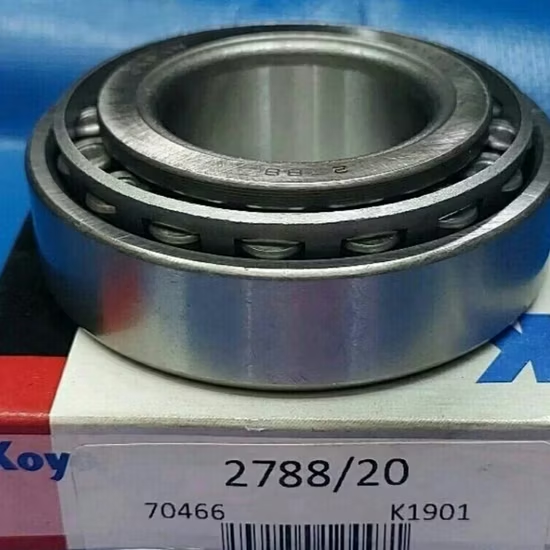
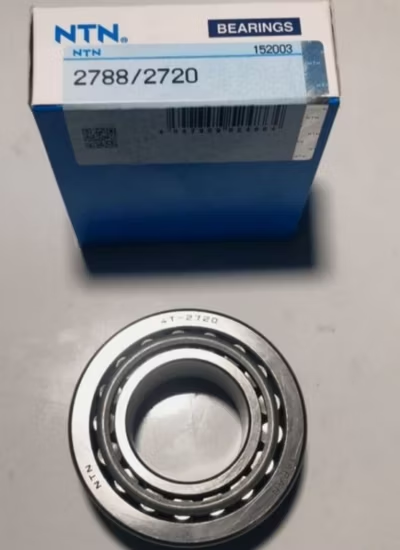
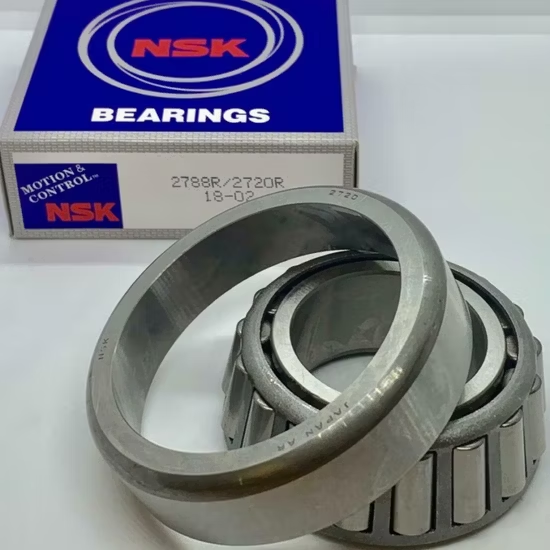
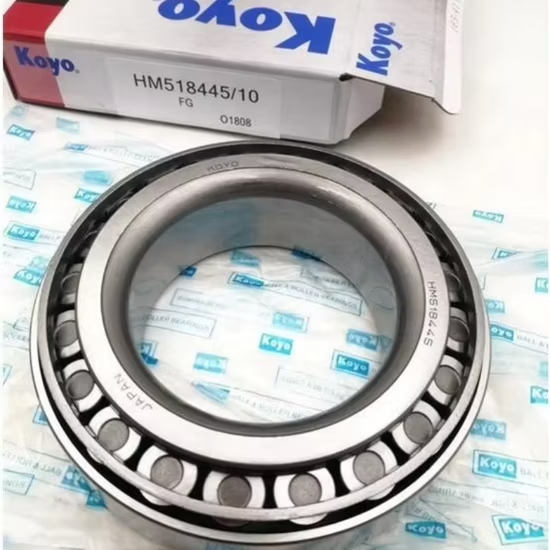
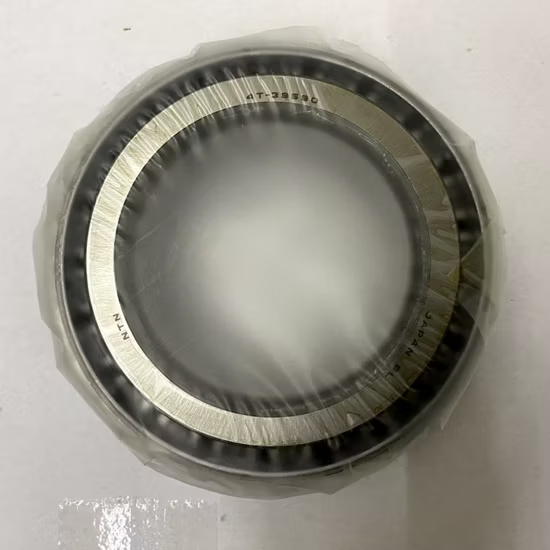
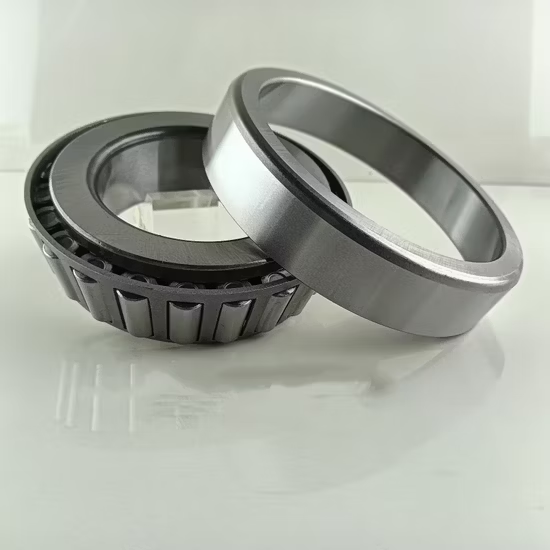
2788/2720 Tapered Roller Bearing P4 — manufactured from GCr15 steel for excellent wear resistance in demanding applications.
Verified via official apps — Every 2788/2720 tapered roller bearing we dispatch includes batch traceability scannable through the manufacturer's official authentication application to eliminate counterfeit risks.
| Parameter | Value |
|---|---|
| Designation | 2788/2720 |
| Bearing Type | Tapered Roller Bearing (Inch Series) |
| Bore Diameter (d) | 38.100 mm |
| Outside Diameter (D) | 76.200 mm |
| Assembly Width (T) | 23.812 mm |
| Precision Class | P4 |
| Material | GCr15 High-Carbon Chromium Bearing Steel |
| Cage Material | Nylon / Brass / Iron (application-dependent options) |
| Origin | Germany / Japan / Sweden / Malaysia / China |
Note: Specific suffix designations for this inch-series assembly remain unverified and require direct manufacturer catalog confirmation prior to finalizing cross-reference orders.
| Industry | Typical Applications |
|---|---|
| Mining & Crushing | Crusher eccentric shafts and vibrating screen drive mechanisms |
| Automotive Repair | Heavy-duty vehicle wheel hubs and differential pinion shafts |
| Industrial Machinery | Heavy-load industrial gearboxes and power transmission assemblies |
| Building Materials | Cement mill drive pinions and bulk material conveyor pulleys |
Thermal binding occurs rapidly when inch-series tapered assemblies are installed without verifying the exact axial clearance and preload.
During my early field service years in Ningbo, I witnessed a primary crusher seize after merely two hours of continuous operation. The maintenance crew had replaced the worn cones and cups but completely ignored the precise preload adjustment required for this specific inch-series geometry. Such oversights generate catastrophic heat at the roller large-end contact zone, turning a routine component swap into a severe unplanned shutdown . Procurement engineers must recognize that sourcing the correct base designation is only the first step; verifying the internal geometry and setting the correct mounting clearance dictates the survival of the assembly under heavy shock loads.
Selecting the appropriate cage material for a 2788/2720 tapered roller bearing directly influences its survivability in harsh environments. Iron and brass cages offer superior structural rigidity, making them highly suitable for the intense shock loads and low-to-moderate speeds typical of mining crushers. Conversely, nylon cages reduce overall weight and friction, which benefits high-speed automotive wheel hub applications where heat dissipation is critical. We review your specific operational parameters to recommend the exact cage variant, ensuring the internal components withstand the localized stresses of your machinery without premature degradation.
Tapered roller bearings are engineered to manage combined radial and axial loads, but extreme environments introduce complex variables. In mining and cement applications, heavy particulate contamination can breach inadequate seals, accelerating abrasive wear on the GCr15 raceways. Furthermore, elevated operating temperatures thin the lubricant film, demanding precise clearance adjustments to prevent the rollers from skewing and generating excessive friction heat. Proper initial lubrication with high-viscosity greases, combined with strict adherence to mounting torque specifications, remains essential to mitigate these compounding mechanical stresses .
The specified P4 precision class ensures exceptionally tight dimensional and running accuracy tolerances for this inch-series component. This strict geometric control minimizes vibration and ensures an even load distribution across all tapered rollers, which is critical for preventing localized stress concentrations on the inner ring rib. The GCr15 material provides the necessary core hardness and contact fatigue strength to endure repeated heavy loading cycles. By maintaining exacting tolerances on the cone and cup angles, the assembly achieves true rolling motion, significantly reducing the sliding friction that typically degrades standard-precision bearings in demanding drivetrain applications.
Relying solely on basic dimensional cross-references while ignoring internal design variations leads to severe operational penalties. Installing a standard-precision substitute in a housing machined for a P4 component often results in misalignment, causing uneven roller loading and rapid raceway spalling. These premature failures trigger cascading damage to adjacent gears and shafts, voiding equipment warranties and forcing extended production halts. Aligning every internal parameter, rather than just the outer envelope dimensions, is the only reliable method to prevent these costly secondary damages .
Our procurement strategy eliminates the risks associated with cloned QR codes and soft inner rings by sourcing exclusively through authorized channels. For the 2788/2720 tapered roller bearing, we verify every cross-reference against the manufacturer's engineering database to ensure the contact angle and roller profile perfectly match your OEM requirements. Each shipment includes comprehensive batch traceability, allowing your quality control team to authenticate the metallurgical origin. This rigorous technical vetting process guarantees that the physical components you receive possess the exact load-carrying capacity specified for your heavy-duty machinery.
To guarantee optimal performance, we require detailed operational parameters including exact radial and axial load profiles, continuous operating speeds, and ambient temperature ranges. Supplying the specific OEM equipment number allows our engineering team to conduct a comprehensive cross-reference review, verifying that the internal geometry aligns perfectly with your housing dimensions. This technical collaboration ensures you receive a fully validated component engineered to withstand your specific mechanical stresses, eliminating the guesswork from critical drivetrain maintenance.
Q: How do we verify the authenticity of the received components?
A: Every unit includes specific batch traceability documentation and a unique QR code. Your quality control team can scan this code using the manufacturer's official mobile application to instantly verify the production origin, ensuring the internal geometry and metallurgical properties meet the strict requirements for heavy-duty industrial applications.
Q: Why is cross-referencing more complex than just matching base numbers?
A: Matching only the basic envelope dimensions often overlooks critical internal variations, such as specific roller profiles or cage materials. A mismatch in these hidden parameters alters the load distribution and contact angles, leading to rapid thermal degradation and premature failure under the intense shock loads typical of mining and crushing equipment.
Q: What distinguishes P4 precision from standard grades in this application?
A: The P4 classification enforces significantly tighter tolerances on both dimensional accuracy and running precision. This exacting geometric control ensures uniform load sharing across all tapered rollers, minimizing localized stress concentrations and reducing operational vibration, which is vital for maintaining the structural integrity of high-speed automotive and gearbox assemblies.
Q: How should we choose between nylon, brass, or iron cages?
A: Cage selection depends entirely on the operational environment. Brass and iron cages provide the structural rigidity necessary to withstand severe shock loads and heavy vibrations in crushers. In contrast, nylon cages offer lower friction and reduced weight, making them ideal for high-speed wheel hub applications where minimizing heat generation is the primary engineering objective.
Q: What mounting precautions are critical for inch-series tapered designs?
A: Unlike metric bearings with predefined internal clearances, inch-series tapered assemblies require precise manual adjustment during installation. Technicians must carefully measure and set the exact axial preload using dial indicators, as improper adjustment will either cause catastrophic thermal binding from excessive friction or allow destructive shaft play under heavy axial loads.
Our 5-step process ensures every order is engineered, validated, and supported for optimal performance.
Technical needs assessment
Custom specifications
Free samples for $50k+
Pre-shipment inspection
On-site & predictive
Our certified engineers respond within 24 hours with detailed technical specifications, pricing, and lead time information.