01
Consultation
Technical needs assessment


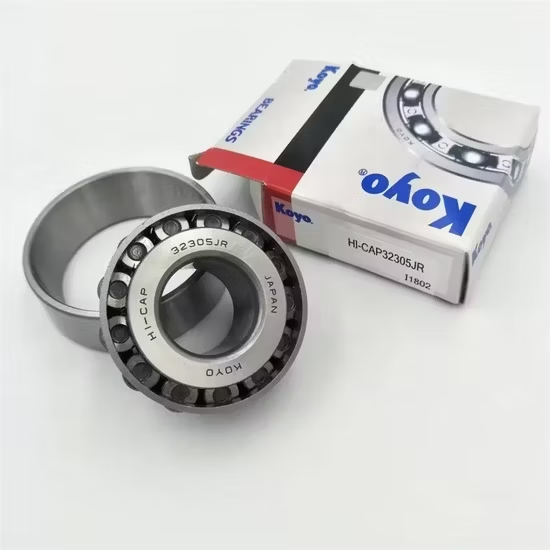
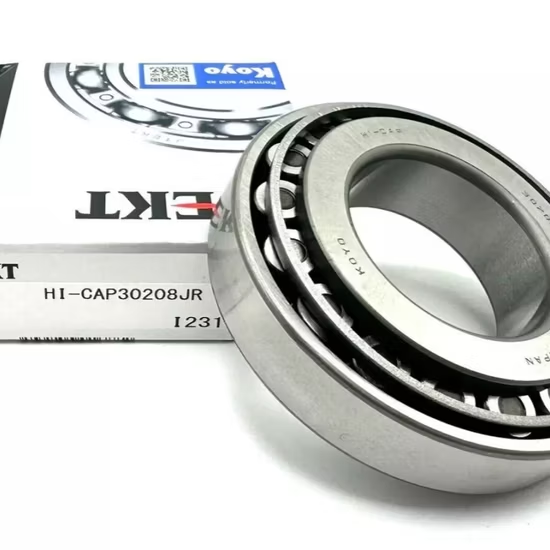
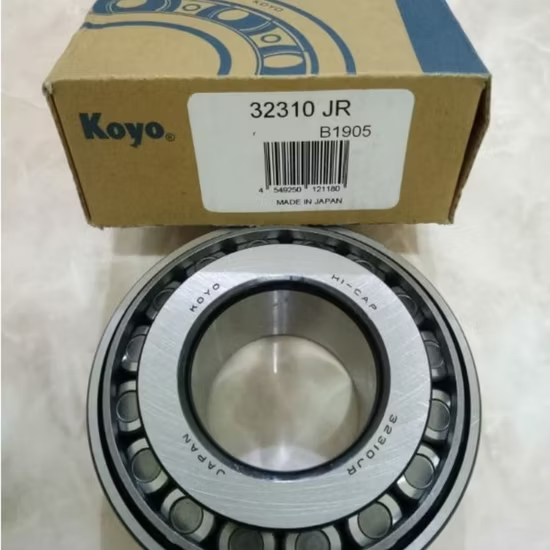
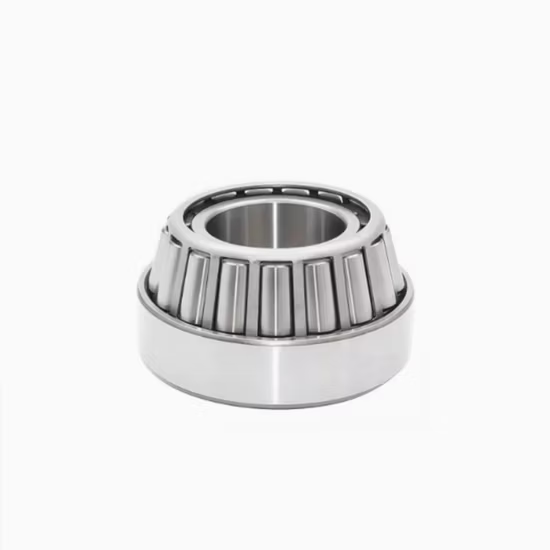

32951 32952 Tapered Roller Bearing P4 Precision — single row design engineered for automotive wheel hubs and truck axles.
Three-Way Cross-Reference Alignment — Every 32951 and 32952 order is verified against OEM requirements for base designation, internal clearance, and cage material to prevent thermal binding in heavy-duty wheel hubs.
| Parameter | Value |
|---|---|
| Designation | 32951 32952 |
| Bearing Type | Tapered Roller Bearing |
| Number of Rows | Single Row |
| Bore Type | Cylindrical |
| Precision Class | P4 |
| Material | GCr15 Bearing Steel |
| Cage Material | Available in pressed steel, brass, or polyamide variants |
| Arrangement | Single Row |
| Certification | ISO 9001 / IATF 16949 compliant manufacturing |
| Industry | Typical Applications |
|---|---|
| Automotive & Heavy Vehicles | Commercial truck steering knuckles, drive axles, and trailer wheel hubs |
| Material Handling | Forklift mast rollers and heavy-duty conveyor drive shafts |
| General Machinery | Gearbox output shafts and agricultural equipment wheel ends |
Sourcing a genuine 32951 32952 tapered roller bearing requires looking far beyond the basic part number stamped on the box.
Most premature wheel hub seizures stem from unmatched internal clearances and counterfeit rings rather than simple wear and tear.
Working the Latin American aftermarket route, I have dismantled countless truck axles where standard clearance bearings were forced into high-heat hub assemblies. When heavy radial loads combine with brake-generated thermal expansion, a standard clearance bearing quickly loses its internal operating gap. The result is catastrophic cage failure and axle lockup. Furthermore, the market is flooded with cloned components featuring soft inner rings that pass casual visual checks but spall under continuous heavy impact . Procurement teams often assume the base number guarantees a fit, overlooking the critical suffix and tolerance details that actually keep the wheel turning.
Selecting the correct 32951 32952 tapered roller bearing for truck axles means accounting for severe shock loads and constant vibration. Our technical team reviews your specific application parameters to ensure the internal geometry and cage design can withstand the harsh realities of heavy commercial transport. We bridge the gap between catalog numbers and real-world road conditions.
Wheel hub environments subject components to intense combined loading and fluctuating thermal cycles. Brake heat transfers directly into the hub assembly, demanding a bearing internal clearance that accommodates significant thermal expansion without preload loss. Lubrication breakdown is another major factor; high temperatures degrade standard greases, accelerating wear on the roller ends and rib contacts. Proper sealing integration is equally vital to keep abrasive road dust out while retaining the lubricant film under heavy axial thrust during cornering .
The P4 precision class specified for these units ensures significantly tighter dimensional and running accuracy compared to standard P0 grades. In a rotating wheel hub, this enhanced geometric accuracy minimizes vibration and ensures even load distribution across all tapered rollers. The GCr15 bearing steel provides the necessary core toughness and high surface hardness to resist spalling under impact. Depending on the specific operational speed and vibration profile, the cage material is available in pressed steel, brass, or polyamide variants, each offering distinct advantages in friction reduction and structural rigidity.
Installing a bearing with the wrong internal clearance or substandard metallurgy inevitably leads to unplanned downtime and catastrophic axle damage. When a wheel hub seizes on the highway, the collateral damage to the spindle, seals, and braking systems multiplies the initial replacement cost exponentially. According to failure analysis frameworks, a significant share of these premature failures traces back to incorrect application matching rather than manufacturing defects . Relying on unverified cross-references voids equipment warranties and compromises fleet safety.
We eliminate the guesswork from heavy-duty bearing procurement by enforcing strict channel controls. Every batch is traced directly back to the manufacturer's production facilities, ensuring the metallurgy matches the original design intent. For wheel hub applications where counterfeit inner rings are a persistent threat, we provide verifiable documentation rather than empty promises. Our cross-reference checks specifically validate the internal clearance and cage specifications for the 32951 and 32952 designations, preventing the all-too-common error of installing standard clearance units in high-temperature environments.
To ensure optimal lifecycle performance, please provide your specific radial and axial load calculations, operating temperature ranges, and hub dimensional constraints. Sharing the original OEM equipment numbers allows our engineering team to perform a comprehensive cross-reference check, verifying that the internal clearance and cage design perfectly match your fleet's operational demands.
Q: How can I verify the authenticity of the 32951 and 32952 bearings upon delivery?
A: Every shipment includes traceable batch numbers and QR codes linked to the manufacturer's official verification applications. You can scan these codes directly on the packaging to confirm the production origin. We also provide physical material test reports and dimensional inspection certificates that validate the GCr15 steel composition and P4 precision tolerances, effectively ruling out counterfeit products with soft inner rings.
Q: What cross-reference checks are critical for wheel hub applications beyond the base number?
A: Simply matching the base designation is insufficient for heavy-duty truck axles. We verify the internal clearance class to ensure it accommodates brake-generated thermal expansion without causing thermal binding. Additionally, we confirm the cage material and internal geometry match the specific OEM requirements, preventing premature cage failure under heavy combined loads and continuous vibration typical in commercial transport environments.
Q: How does P4 precision benefit automotive and truck wheel applications compared to standard grades?
A: P4 precision guarantees significantly tighter dimensional and running accuracy than standard P0 grades. In a wheel hub, this enhanced geometric control ensures an even load distribution across all tapered rollers, minimizing vibration and friction heat generation. The result is a noticeably extended service life, smoother wheel rotation, and reduced risk of localized stress concentrations that lead to premature raceway spalling.
Q: What are the recommended mounting practices for these single row tapered roller bearings?
A: For cylindrical bore installations, induction heating is the preferred method to expand the inner ring safely without damaging the P4 precision raceways. It is crucial to monitor the heating temperature based on the specific cage material variant. After mounting, the axle nut must be torqued precisely to establish the correct operational endplay, ensuring the bearing operates with optimal internal clearance under load.
Q: How do I identify if a replacement bearing has a soft inner ring prone to early failure?
A: Soft inner rings are a hallmark of counterfeit bearings and often pass casual visual inspections. The only reliable way to identify them is through verified documentation. We supply comprehensive material test reports that confirm the proper heat treatment and hardness of the GCr15 steel. Without this batch-specific metallurgical proof, the bearing remains a severe risk for rapid wear and catastrophic hub seizure under heavy impact loads.
Our 5-step process ensures every order is engineered, validated, and supported for optimal performance.
Technical needs assessment
Custom specifications
Free samples for $50k+
Pre-shipment inspection
On-site & predictive
Our certified engineers respond within 24 hours with detailed technical specifications, pricing, and lead time information.

