01
Consultation
Technical needs assessment


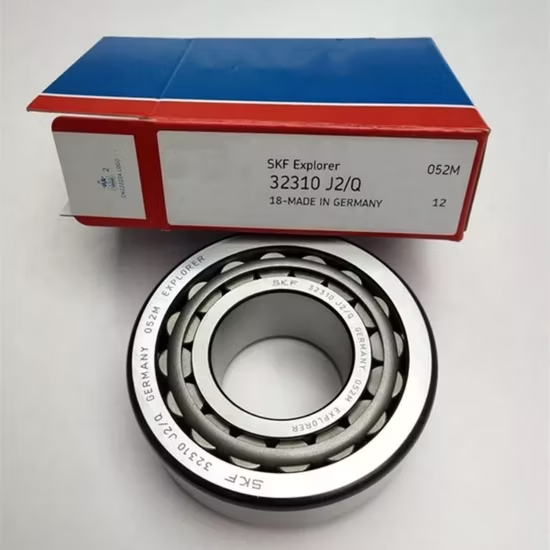
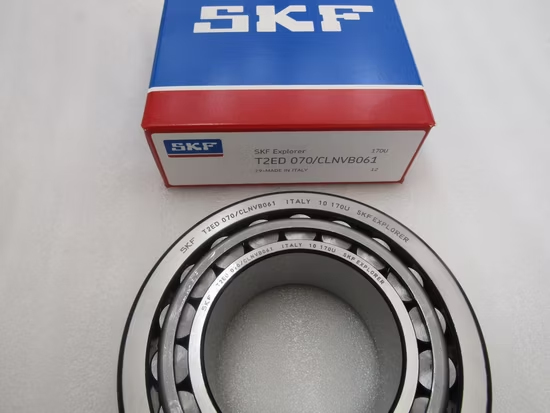
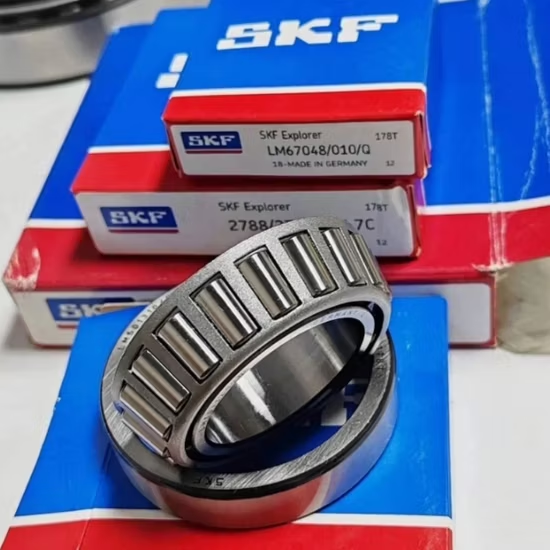
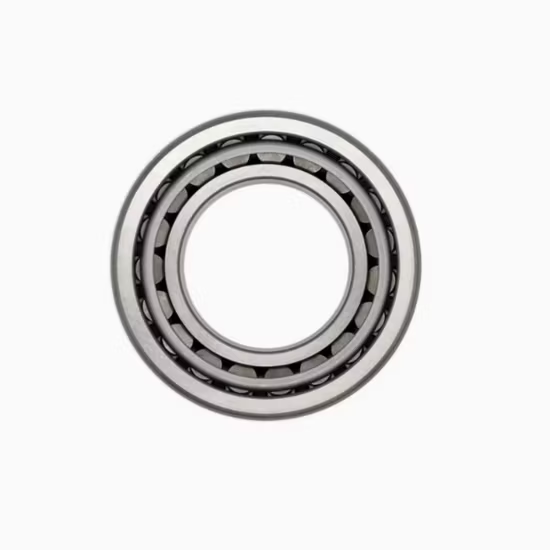
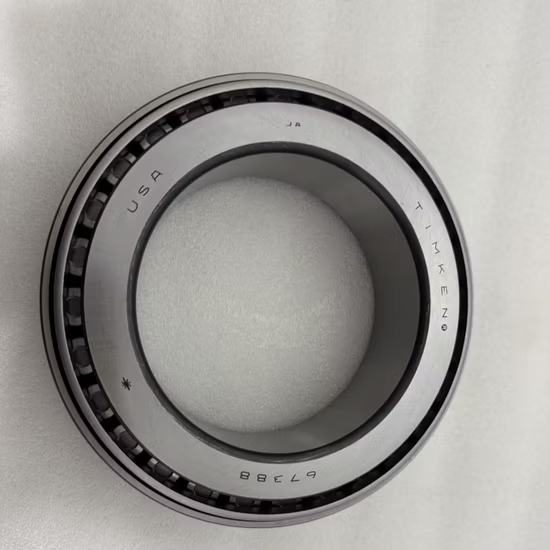
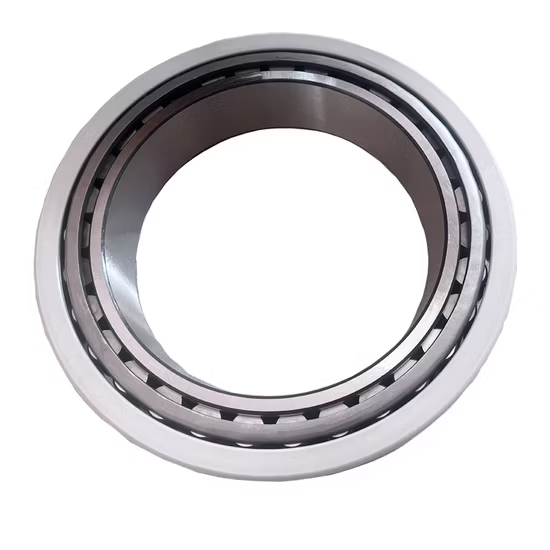
30201 30202 Tapered Roller Bearing — single row configuration engineered to manage combined radial and axial loads effectively. Manufactured from Gcr15 high-carbon chromium steel, these bearings deliver optimal hardness and wear resistance for automotive wheel hubs and industrial gearboxes. Each order is backed by a comprehensive documentation package, including material test reports and dimensional inspection certificates for complete quality verification.
Single-Source Authorized Coverage — Consolidating mixed-brand requirements for 30201 30202 tapered roller bearing orders under one traceable supply chain without juggling multiple vendors.
| Parameter | Value |
|---|---|
| Designation | 30201 30202 |
| Bearing Type | Tapered Roller Bearing |
| Number of Rows | Single Row |
| Precision Class | P4 |
| Material | Gcr15 Bearing Steel |
| Cage Material Options | Nylon, Brass, or Pressed Steel |
| Contact Angle | 15° |
| Clearance Class | CN (Normal) |
| Origin | Shanghai |
| Industry | Typical Applications |
|---|---|
| Industrial Gearboxes | Helical and bevel gear reduction shafts, conveyor drive assemblies |
| Automotive & Heavy Vehicle | Wheel hub assemblies, differential pinion shafts, truck axle ends |
| Building Material Processing | Vibrating screen eccentric shafts, crusher main drive pulleys |
Matching the basic designation while ignoring internal precision and cage design guarantees premature thermal binding.
I have spent years troubleshooting现场 equipment in Shandong, and the pattern is always the same. A maintenance team replaces a failing unit with a visually identical part, only to face catastrophic seizure weeks later. When sourcing a 30201 30202 tapered roller bearing, procurement teams often focus solely on the dimensional envelope. They overlook the fact that standard P0 precision and incorrect cage materials cannot survive the specific vibration and thermal profiles of heavy-duty gearboxes . The result is micro-welding on the raceways and total shaft lockup, turning a simple replacement into a week-long downtime event.
Selecting the right configuration requires looking past the catalog number. For high-speed gear reduction applications, the 30201 30202 tapered roller bearing must be specified with a precision class and cage material that match the actual thermal generation and vibrational forces. Our engineering review process ensures that the internal geometry and clearance align perfectly with your specific housing tolerances and load profiles.
Tapered roller bearings manage combined radial and axial loads, but this generates significant internal friction heat. If the housing runs hot, a standard CN clearance might close up entirely, causing the rollers to skid and destroy the cage. Proper lubrication intervals and selecting the correct cage material—whether brass for high vibration or polymer for lower friction—are critical to preventing thermal runaway .
Upgrading to P4 precision ensures tighter dimensional and running accuracy, which is vital for minimizing vibration in high-speed pinion shafts. Furthermore, the cage material dictates the operational limits. Brass cages offer superior durability under heavy shock loads and poor lubrication, while nylon cages reduce friction and operate quietly at higher speeds. Choosing the wrong cage for a vibrating screen application will lead to rapid fatigue failure.
Relying on generic cross-references without verifying the precision and clearance suffixes leads to unplanned downtime and voided equipment warranties. When a standard clearance bearing is forced into a tight housing fit meant for a C3 clearance variant, the resulting preload causes rapid temperature spikes and catastrophic damage to the surrounding seals and shafts .
We prevent these failures by validating every cross-reference against the exact operational parameters of your machinery. When you need an equivalent for a 30217, 32217, 33217, or 30317, we do not just match the outer dimensions; we verify the internal contact angle and rolling element profiles. Every batch is traced directly to the manufacturer, ensuring that the P4 precision and Gcr15 material claims are backed by verifiable factory data, not just distributor promises.
To ensure accurate selection and L10 life calculation, please provide your specific radial and axial load profiles, operating speeds, and expected thermal conditions. If you are replacing an existing unit, share the exact OEM equipment number or the full designation string from the old bearing nameplate so our team can perform a comprehensive cross-reference verification and recommend the optimal clearance and cage configuration.
Q: How do I verify the authenticity of these bearings using official apps?
A: Every unit comes with a unique traceability code. By scanning the QR label on the packaging with the manufacturer’s official mobile application, you can instantly verify the production batch, factory origin, and original specifications, ensuring you receive genuine Gcr15 steel components rather than counterfeit parts with soft inner rings.
Q: Why must precision and clearance suffixes align during cross-referencing?
A: Matching only the base numbers like 30217 or 32217 ignores critical internal design differences. Installing a normal clearance bearing in an application requiring thermal expansion room leads to internal preload, excessive heat generation, and rapid cage failure. Accurate cross-referencing must account for these operational variables.
Q: What are the practical differences between P4 and standard P0 precision?
A: P4 precision offers significantly tighter tolerances in dimensional and running accuracy compared to standard P0 grades. This reduces vibration, minimizes heat generation at higher speeds, and extends the operational life of the bearing, making it essential for demanding applications like industrial gearboxes and machine tool spindles.
Q: How do I interpret standard tapered roller bearing base designations?
A: The base designation indicates the bearing series, contact angle, and basic dimensions. For instance, the 302 series typically features a standard 15° contact angle optimized for combined radial and axial loads. However, the base number alone does not specify the internal clearance, cage material, or precision class required for your specific machinery.
Our 5-step process ensures every order is engineered, validated, and supported for optimal performance.
Technical needs assessment
Custom specifications
Free samples for $50k+
Pre-shipment inspection
On-site & predictive
Our certified engineers respond within 24 hours with detailed technical specifications, pricing, and lead time information.