01
Consultation
Technical needs assessment

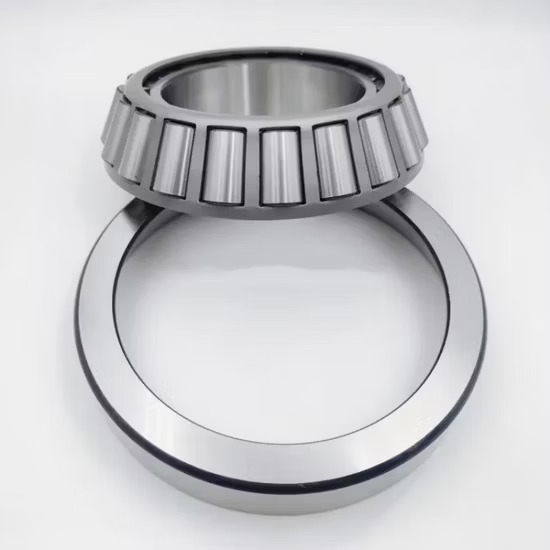
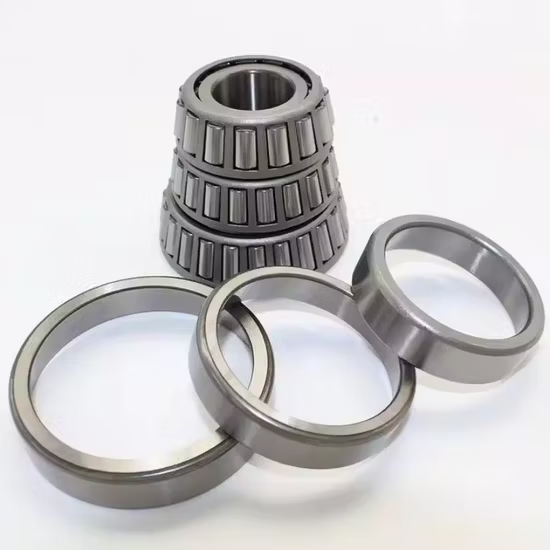
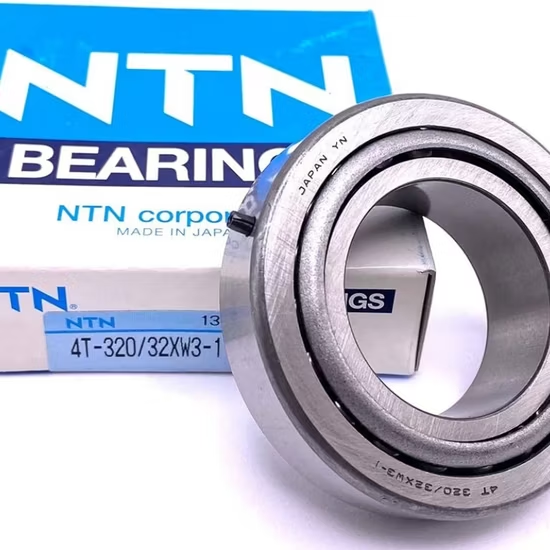
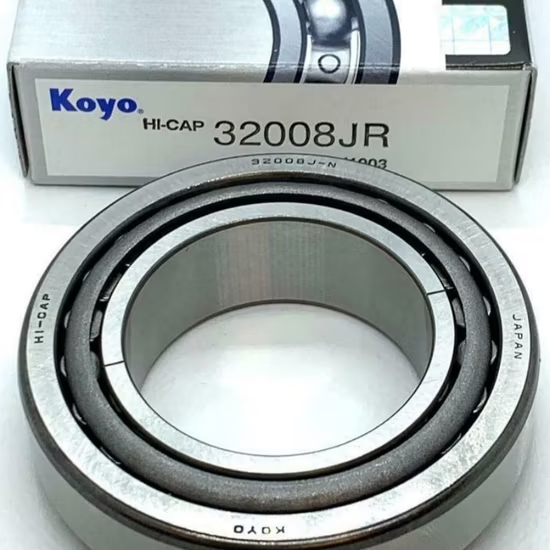
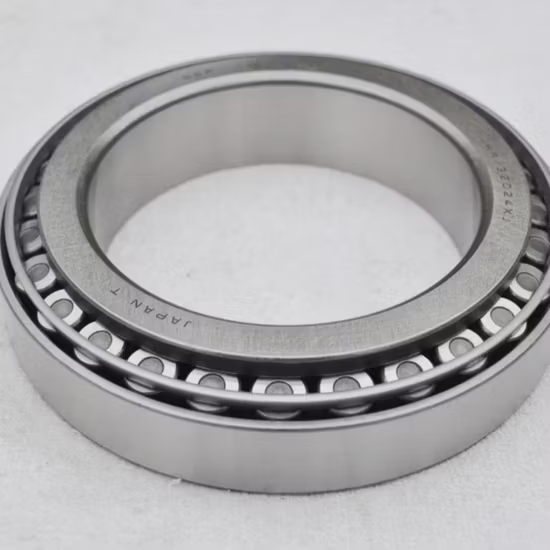

30200 30201 Tapered Roller Bearing P4 — single row structure optimized for combined radial and axial loads in industrial gearboxes and automotive wheel hubs.
Traceable batch origin — Every 30200 30201 tapered roller bearing shipment includes manufacturer lot records and QR codes for full lifecycle verification.
| Parameter | Value |
|---|---|
| Designation | 30200 30201 |
| Bearing Type | Tapered Roller Bearing |
| Number of Rows | Single Row |
| Precision Class | P4 |
| Cage Material | Nylon, Brass, or Iron options |
| Material | GCr15 Bearing Steel |
| Seal or Shield Type | Open |
| Clearance Class | Normal (CN) |
| Origin | Shanghai |
| Industry | Typical Applications |
|---|---|
| Automotive & Heavy Vehicles | Wheel hub assemblies, truck axle differentials, transmission shafts |
| Industrial Manufacturing | Heavy-duty industrial gearboxes, conveyor drive pulleys, material handling rollers |
| Building Material Machinery | Crusher vibration screens, cement mixer drum supports, aggregate conveyor bearings |
Matching the basic designation is never enough to prevent thermal binding.
Procurement teams often source parts based solely on the base number, ignoring critical internal geometry and precision requirements. I have seen entire production lines halt because a standard P0 grade was installed in a high-speed spindle, or a nylon cage was used where brass was mandatory for vibration resistance. When the internal design or precision class differs from the original equipment requirements, the resulting friction generates excessive heat, leading to rapid cage degradation and catastrophic seizure . Sourcing the correct 30200 30201 tapered roller bearing requires verifying every suffix and tolerance to ensure it survives the actual operating environment.
Selecting the right component goes beyond basic dimensions. The 30200 30201 tapered roller bearing achieves P4 precision, providing tighter dimensional and running accuracy than standard commercial grades. This exact cross-reference alignment ensures that the bearing maintains optimal load distribution under combined radial and axial forces, preventing the premature wear that typically plagues loosely toleranced alternatives in demanding industrial gearboxes.
Tapered roller configurations must handle complex combined loads while managing heat generation. At elevated speeds, internal friction raises operating temperatures, making normal clearance appropriate only when thermal expansion is strictly controlled. Lubrication choice is equally critical; oil bath systems dissipate heat better in continuous gearbox operation, while grease requires precise re-lubrication intervals to prevent starvation . Without proper thermal management, the inner ring expands, eliminating operational clearance and causing the rollers to skid.
The internal components dictate the operational boundaries of the assembly. The GCr15 high-carbon chromium steel provides the necessary hardness and wear resistance for heavy load zones. More importantly, the cage material options—nylon, brass, or iron—must be matched to the specific application. Nylon cages offer low friction and quiet operation for moderate speeds, brass cages deliver superior durability under high vibration and heavy loads, and iron cages provide a cost-effective solution for standard industrial speeds. Choosing the wrong cage material for the vibration profile is a primary cause of unexpected field failures.
Ignoring precision and cage specifications inevitably leads to unplanned downtime. When a bearing fails prematurely due to a specification mismatch, the collateral damage to shafts, housings, and gears often exceeds the cost of the bearing itself. According to ISO 281 fatigue life calculations, even minor deviations in internal geometry or surface finish drastically reduce the calculated L10 life . This results in voided equipment warranties and expensive emergency repairs that disrupt production schedules.
We stop specification errors before the order is placed. Our cross-reference review ensures that the base designation, internal design, and cage material perfectly match your equipment requirements, preventing the common trap of ordering a part that fits physically but fails operationally. We provide authorized channel procurement with batch traceability, meaning every component is verified through official manufacturer apps. By reviewing your application parameters, we confirm that the selected precision class and clearance are appropriate for your specific thermal and load conditions, eliminating the guesswork that leads to field failures.
To ensure the selected configuration matches your exact operational demands, please provide your radial and axial load data, operating speeds, and expected temperature ranges. Sharing the OEM equipment number allows our engineering team to perform a precise cross-reference check and L10 life calculation. This technical review guarantees that the clearance and cage material options are perfectly aligned with your specific installation environment.
Q: How do I verify the authenticity and batch traceability of the received bearings?
A: Every shipment includes manufacturer lot records and a unique QR code. You can scan this code using the brand's official mobile application to instantly verify authenticity, confirm the production batch, and access the original test certificates, ensuring complete supply chain transparency and protecting your equipment from counterfeit risks.
Q: Why must clearance and precision suffixes be aligned during cross-referencing?
A: Matching only the base number ignores critical internal geometry. Installing normal clearance in an application requiring thermal expansion room causes the bearing to seize as temperatures rise. Similarly, using standard precision in high-speed gearboxes generates excessive vibration. Exact alignment of all suffixes ensures the bearing survives the actual operating conditions without premature failure.
Q: What are the selection boundaries between nylon, brass, and iron cages?
A: Nylon cages minimize friction and noise, making them ideal for moderate-speed applications. Brass cages offer superior strength and durability, handling high vibration and heavy loads typical in mining or heavy machinery. Iron cages provide a reliable, cost-effective solution for standard industrial speeds. The choice depends entirely on your specific vibration and load profile.
Q: How does P4 precision compare to standard grades in high-speed applications?
A: P4 precision guarantees much tighter dimensional and running accuracy than standard P0 grades. In high-speed gearboxes, this tight tolerance ensures even load distribution across all rollers, significantly reducing internal friction, heat generation, and vibration. This results in noticeably extended service life and protects sensitive equipment components from destructive harmonic oscillations.
Our 5-step process ensures every order is engineered, validated, and supported for optimal performance.
Technical needs assessment
Custom specifications
Free samples for $50k+
Pre-shipment inspection
On-site & predictive
Our certified engineers respond within 24 hours with detailed technical specifications, pricing, and lead time information.


