01
Consultation
Technical needs assessment


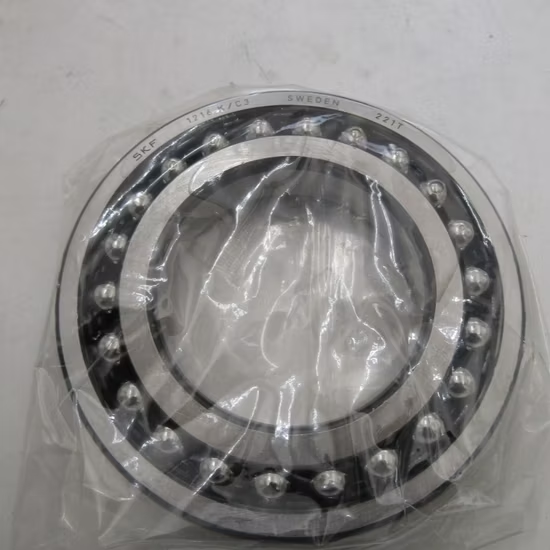
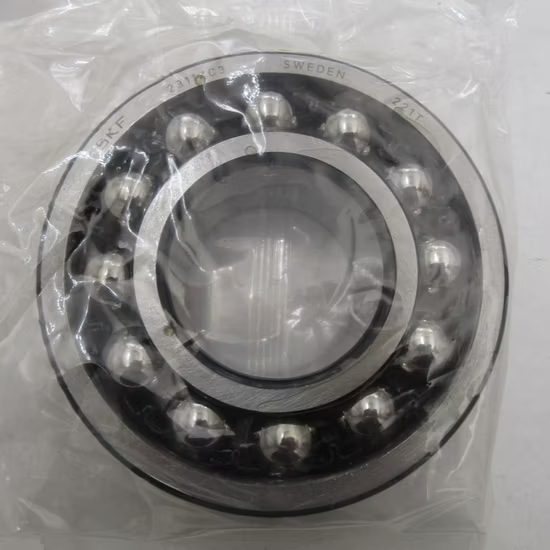
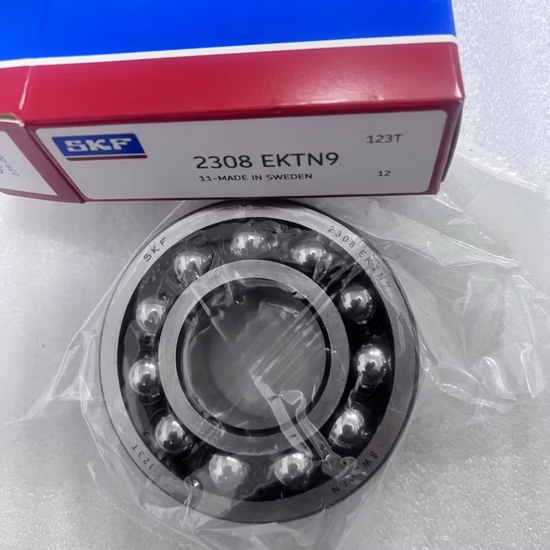


2204 Self-Aligning Ball Bearing 20×47×18 mm — Features a spherical outer ring raceway to effectively compensate for shaft misalignment and angular errors in electric motors and gearboxes.
Multi-Brand Authorized Coverage — Procure SKF, FAG, and NSK variants of this self-aligning series in a single consolidated shipment without juggling multiple vendors.
| Parameter | Value |
|---|---|
| Designation | 2204 |
| Bearing Type | Self-Aligning Ball Bearing |
| Bore Diameter (d) | 20 mm |
| Outside Diameter (D) | 47 mm |
| Width (B) | 18 mm |
| Seal or Shield Type | Open, Rubber Seals, Iron Seals |
| Origin | Germany, Japan, Sweden, Malaysia, China |
Note: The 2RS suffix is an unverified designation requiring manufacturer catalog confirmation prior to ordering.
| Industry | Typical Applications |
|---|---|
| Electric Motors | Rotor shaft support requiring misalignment compensation |
| Textile Machines | Spindle drives exposed to continuous vibration |
| Gearboxes | Intermediate shafts with slight housing deflection |
| Conveyors | Pulley bearings in bulk material handling systems |
Thermal binding destroys inner rings long before fatigue limits are reached.
In mining and heavy industrial environments, replacing a failed unit with a generic match often overlooks internal clearance. I have dismantled ball mill spindles where the inner ring turned blue because a standard clearance was forced into a high-temperature application that demanded C3. This rough cross-referencing ignores how thermal expansion alters the internal geometry, leading to catastrophic seizure rather than gradual wear .
The defining feature of this 2204 self-aligning ball bearing is its spherical outer ring raceway, which accommodates angular misalignment and shaft deflection. When textile spindles or conveyor pulleys experience structural flexing under load, this internal geometry prevents edge loading on the rolling elements. We verify that the selected variant matches the specific misalignment angle of your equipment, ensuring the self-aligning capability is fully utilized rather than compromised by incorrect housing fits.
Shafts operating near heat sources or in dusty environments face compounded stresses that degrade lubrication and alter internal clearances. Elevated temperatures cause the shaft to expand more than the housing, rapidly consuming standard radial clearance and generating excessive friction. Simultaneously, abrasive particulates infiltrate open designs, acting as lapping compounds that destroy raceway finishes. Selecting the appropriate seal type and initial clearance is critical to balancing friction heat generation against contamination ingress .
Internal clearance dictates the operational thermal limit of the assembly. While standard clearance suits ambient electric motor applications, high-speed gearboxes or heated environments require C3 or C4 clearances to prevent the rolling elements from skidding when the inner ring expands. Sealing choices further refine this balance: rubber seals provide superior exclusion of fine textile dust or mining slurry but introduce contact friction, whereas iron shields offer non-contact protection suitable for higher-speed, cleaner electric motor environments.
Ignoring the precise suffix requirements during procurement triggers a cascade of mechanical failures. Installing a standard clearance unit in a high-heat zone guarantees thermal seizure, resulting in unplanned downtime and catastrophic damage to the surrounding housing. Conversely, applying contact seals in high-speed applications generates localized overheating that melts the lubricant and degrades the seal lips. These missteps void warranty protections and force frequent, costly replacements that disrupt entire production lines .
Our procurement process eliminates the risks associated with superficial cross-referencing. When matching equivalents across SKF, FAG, or NSK, we verify that the clearance class, cage material, and sealing suffixes align perfectly with your operational demands, not just the base number. Every shipment includes batch traceability to the manufacturer, allowing you to verify authenticity via official brand apps and ensuring the metallurgical integrity required for heavy-duty vibration environments.
To ensure the selected variant withstands your specific operational stresses, provide the radial and axial loads, operating speeds, and ambient temperature ranges. Supplying the OEM equipment designation or housing dimensions allows our engineering team to perform a precise cross-reference check and L10 life calculation. This technical review guarantees the internal clearance and sealing configuration perfectly match your machinery's thermal and contamination profile.
Q: Why is verifying the sealing suffix critical during cross-referencing?
A: Base numbers often match while internal designs differ. A rubber-sealed variant generates contact friction unsuitable for high-speed electric motors, whereas an open design fails rapidly in dusty textile environments. We verify the exact seal type to ensure the friction and contamination protection align with your specific operational parameters, preventing premature thermal or abrasive failures.
Q: How do rubber seals and iron shields differ in application?
A: Rubber seals provide tight contact exclusion for fine dust and moisture but introduce friction limits at higher speeds. Iron shields offer non-contact protection, allowing higher rotational speeds in cleaner gearbox or motor environments. Selecting the correct variant prevents either contamination ingress or excessive heat generation from seal friction.
Q: How can I verify the authenticity of the supplied units?
A: Every unit features a unique batch code verifiable through the manufacturer's official mobile application. This digital check confirms the metallurgical origin and production date, instantly identifying counterfeits that utilize soft inner rings or cloned QR codes, which typically fail under heavy radial loads.
Q: What documentation accompanies the shipment?
A: We provide a Certificate of Conformity, material test reports, and dimensional inspection reports confirming the spherical raceway tolerances. These documents include batch traceability and country-of-origin certification, ensuring full compliance with your quality management and maintenance auditing requirements.
Q: How do you handle cross-brand replacements for specific OEM equipment?
A: We analyze the original equipment's load, speed, and thermal profile rather than just matching the base number. By evaluating the required clearance class and cage material, we identify exact equivalents across major international brands, ensuring the replacement handles the specific misalignment and vibration characteristics of your machinery.
Our 5-step process ensures every order is engineered, validated, and supported for optimal performance.
Technical needs assessment
Custom specifications
Free samples for $50k+
Pre-shipment inspection
On-site & predictive
Our certified engineers respond within 24 hours with detailed technical specifications, pricing, and lead time information.