01
Consultation
Technical needs assessment


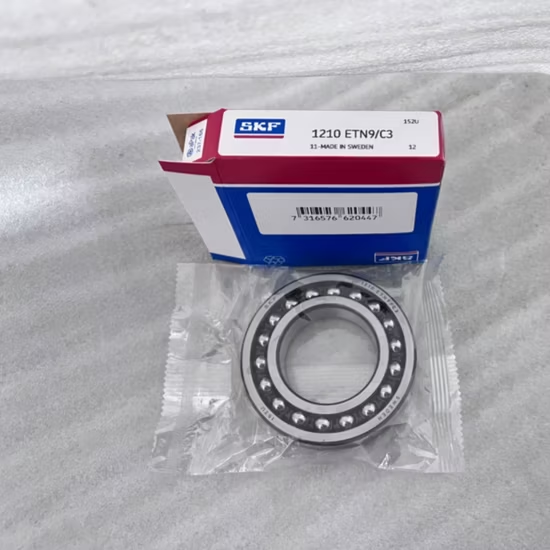
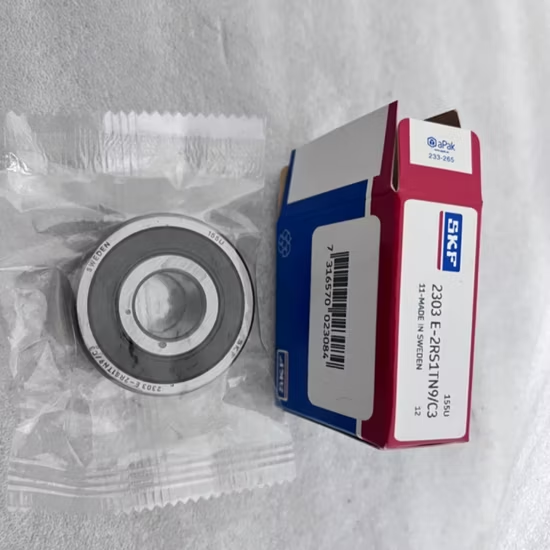
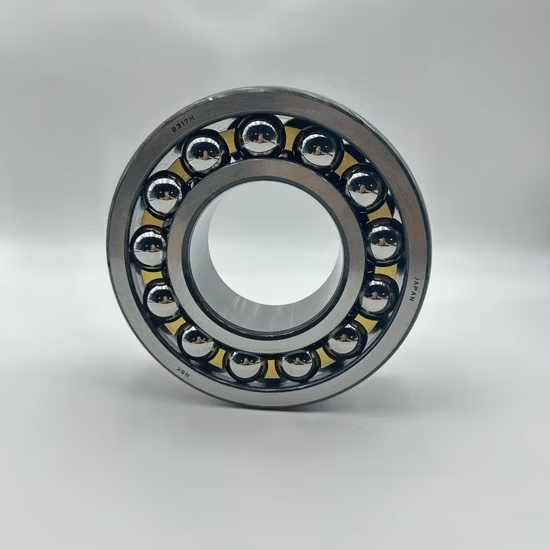
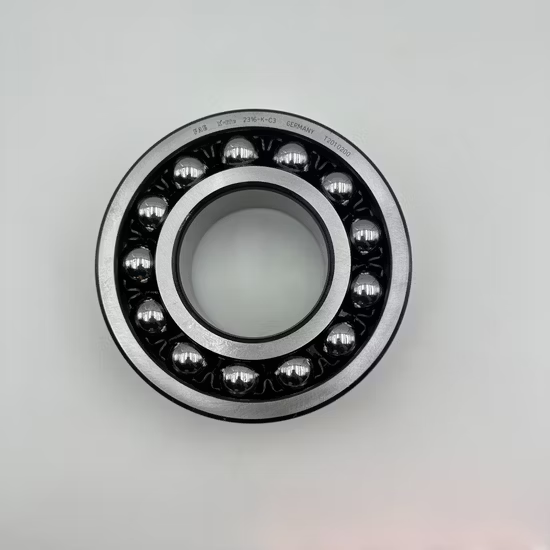
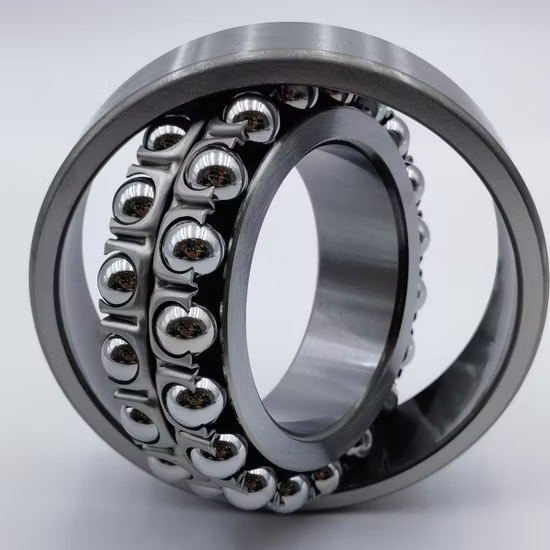
1312 Etn9 Self-Aligning Ball Bearing features optimized internal geometry for improved load distribution. The tn9 glass fiber reinforced polyamide cage delivers high strength and excellent thermal stability for high-speed applications.
Unified Multi-Brand Sourcing — Procure the 1312 Etn9 alongside mixed-brand requirements through a single authorized channel, eliminating complex multi-vendor coordination.
| Parameter | Value |
|---|---|
| Designation | 1312 Etn9 |
| Bearing Type | Self-Aligning Ball Bearing |
| Internal Design | Enhanced optimized geometry (E) |
| Cage Material | Glass fiber reinforced polyamide (tn9) |
| Seal or Shield Type | Open, Rubber Seals, Iron Seals (available options) |
| Origin | Germany / Japan / Sweden / Malaysia / China |
| HS Code | 848210 |
| Industry | Typical Applications |
|---|---|
| Textile Manufacturing | Spinning frame drafting rollers and yarn guide mechanisms |
| Agriculture | Harvester threshing cylinders and conveyor drive shafts |
| Material Handling | Belt conveyor idler pulleys and bucket elevator tail shafts |
| General Industrial | Gearbox intermediate shafts requiring misalignment compensation |
Polyamide cage fragmentation often precedes raceway spalling when thermal expansion is miscalculated in high-dust operations.
Years ago in Dubai, I processed a batch of self-aligning ball bearings that suffered early cage disintegration simply because a standard metallic cage was substituted where a glass fiber reinforced polyamide variant was strictly required. The resulting friction generated excessive heat in the dusty environment, binding the rolling elements and causing catastrophic thermal failure. Procurement teams often match the base number but overlook critical suffix differences, leading to severe operational disruptions .
The 1312 Etn9 self-aligning ball bearing accommodates shaft deflections common in agricultural conveyors and textile drafting frames. Our technical review ensures the optimized internal geometry and specific cage material align perfectly with your equipment's operational demands. By verifying every suffix, we prevent the field failures that occur when generic replacements ignore application-specific engineering.
Agricultural and material handling environments expose components to severe particulate ingress and fluctuating thermal loads. When dust infiltrates the bearing cavity, it degrades the lubricant and increases friction, demanding a cage material that maintains dimensional stability under thermal stress. Proper seal selection—whether open for external lubrication or shielded for contamination exclusion—dictates the survival of the assembly .
The "E" suffix indicates an enhanced internal geometry optimized for improved load distribution across the rolling elements. The "tn9" suffix specifies a glass fiber reinforced polyamide cage, which offers high strength and low weight while reducing vibration at higher speeds. This specific cage material operates effectively within standard thermal limits but requires careful cross-referencing to ensure it is not mistakenly swapped with a brass or pressed steel alternative during procurement.
Installing a standard clearance or incorrect cage material where the 1312 Etn9 design dictates otherwise results in unplanned downtime and catastrophic equipment damage. A mismatched cage can deform under thermal expansion, leading to premature failure and complete warranty voidance. These errors compound quickly in continuous-duty gearboxes, turning a minor procurement oversight into a major production halt .
We maintain authorized distribution across all major international brands, ensuring your 1312 Etn9 order is fulfilled with exact suffix matching. Our cross-reference process verifies the base designation alongside internal design and cage material suffixes to prevent thermal binding. Every unit features batch traceability to the manufacturer, verified via official brand apps to eliminate the risk of counterfeit components with cloned QR codes.
Share your specific radial and axial loads, operating speeds, and ambient temperatures to allow our team to verify the L10 life of the 1312 Etn9. Providing your OEM equipment numbers enables us to perform a precise cross-reference check, ensuring the cage material and internal geometry match the original design. This technical validation guarantees the selected variant withstands your exact operational environment.
Q: How do I verify the authenticity of the polyamide cage bearing using official apps?
A: Scan the QR code on the packaging using the manufacturer's official mobile application. This confirms the batch traceability and validates that the 1312 Etn9 designation and tn9 suffix match the factory records, effectively identifying counterfeit products with cloned codes or substandard cage materials.
Q: Why must the cage material suffix align perfectly during cross-referencing?
A: Substituting a metallic cage for a tn9 polyamide cage alters the thermal expansion characteristics and friction profile. This mismatch can cause thermal binding in high-speed textile or agricultural applications, leading to premature cage fracture and catastrophic equipment failure under continuous operational loads.
Q: What are the operational limits of the glass fiber reinforced polyamide cage?
A: The tn9 cage provides excellent strength-to-weight ratios and vibration damping at higher speeds. However, it operates within specific thermal limits. If your application involves extreme heat beyond standard polyamide capabilities, our engineering team will review the parameters to recommend alternative cage materials or specialized high-temperature variants.
Q: How do I choose between open, rubber sealed, and iron shielded variants?
A: Open variants require external lubrication systems and suit clean environments. Iron shields offer basic dust exclusion with low friction, while rubber seals provide superior moisture and particulate protection for harsh agricultural conditions, albeit with slightly higher friction and lower speed limits.
Our 5-step process ensures every order is engineered, validated, and supported for optimal performance.
Technical needs assessment
Custom specifications
Free samples for $50k+
Pre-shipment inspection
On-site & predictive
Our certified engineers respond within 24 hours with detailed technical specifications, pricing, and lead time information.