01
Consultation
Technical needs assessment


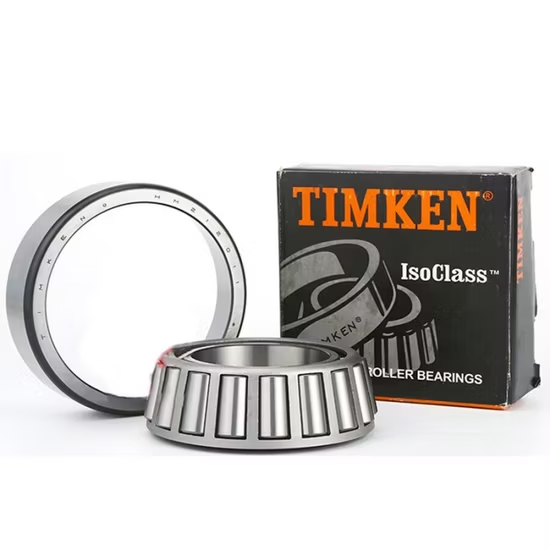
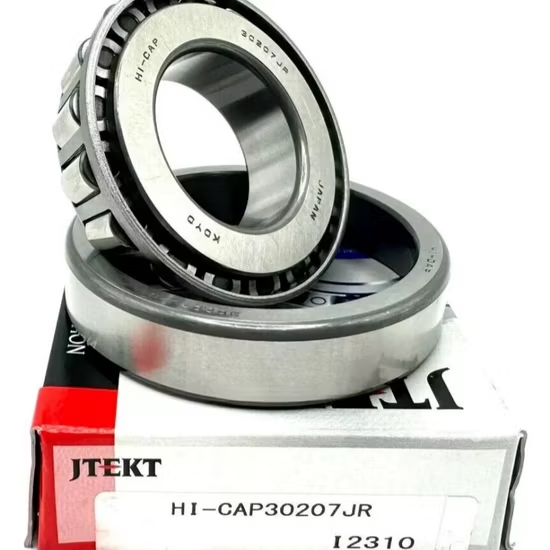
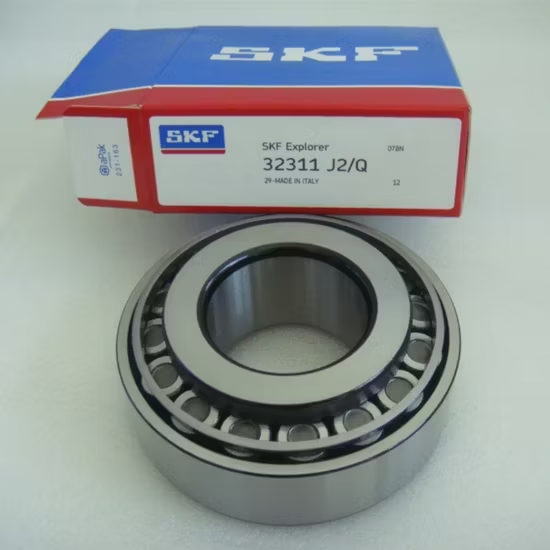
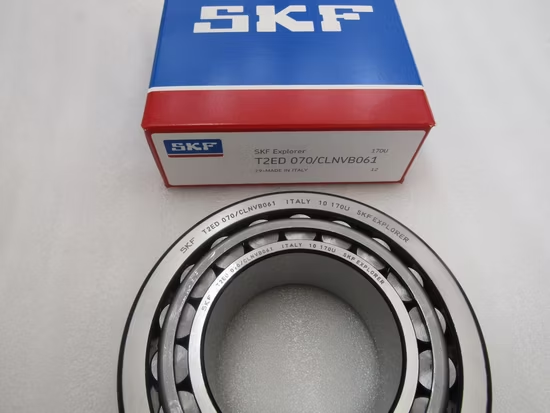
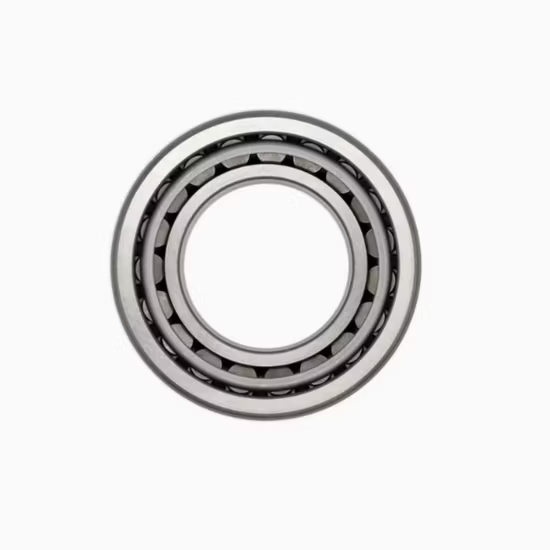
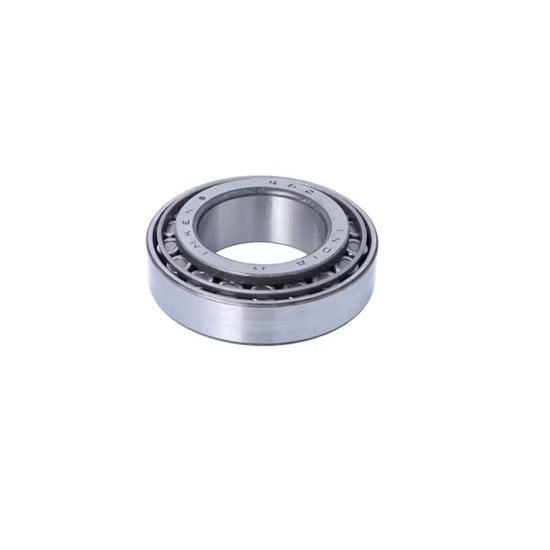
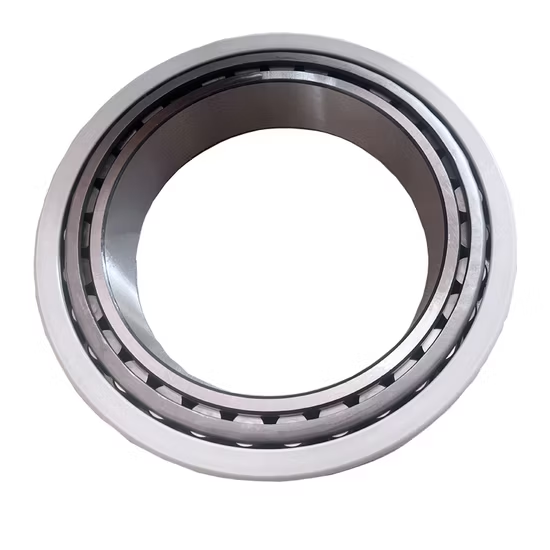
32013X 33013 Single Row Tapered Roller Bearings P4 — Manufactured from GCr15 steel, these units deliver tight dimensional and running accuracy for demanding combined load applications.
Unified multi-brand sourcing — Fulfill mixed OEM requirements for single row tapered units in one consolidated shipment without juggling separate vendors for different origins.
| Parameter | Value |
|---|---|
| Designation | 32013X 33013 |
| Bearing Type | Tapered Roller Bearing |
| Number of Rows | Single Row |
| Precision Class | P4 |
| Cage Material | Nylon / Brass / Iron |
| Material | GCr15 Bearing Steel |
| Origin | Germany / Japan / Sweden / Malaysia / China |
Note: The 'X' suffix in 32013X is an unverified designation requiring manufacturer catalog confirmation for exact internal geometry.
| Industry | Typical Applications |
|---|---|
| Automotive & Heavy Vehicles | Wheel hub assemblies, truck drive axles, steering knuckles |
| Industrial Power Transmission | Heavy-duty gearboxes, crusher pinion shafts, conveyor drive pulleys |
| Marine & Offshore | Propulsion shaft supports, deck machinery winch drums |
Base number matching is never enough when thermal expansion dictates operational survival.
In high-ambient environments like Middle Eastern gearboxes, substituting a standard clearance unit where a C3 was specified leads to rapid thermal binding. I have seen field replacements fail within hours because the internal clearance and cage material were ignored during cross-referencing. A significant share of premature failures stems from these subtle specification mismatches rather than metallurgical defects . Ensuring the 32013X 33013 tapered roller bearing aligns with the exact thermal and load profile prevents catastrophic downtime.
Matching the correct internal geometry for a 32013X 33013 tapered roller bearing requires looking past the basic designation. Industrial gearboxes demand precise alignment to handle combined radial and axial loads without generating excess heat. We verify that the P4 precision rating and specific clearance class match your OEM specifications, preventing the microscopic misalignments that accelerate raceway fatigue under continuous heavy loading.
Tapered roller units in drive axles and crushers endure severe shock loads and fluctuating temperatures. As operating temperatures rise, the shaft expands, reducing internal clearance and increasing friction. Selecting the appropriate clearance class accommodates this thermal growth, while the correct cage material ensures adequate lubricant flow to the roller ends . Ignoring these thermodynamic realities guarantees premature seizure.
The P4 precision class provides tighter dimensional and running accuracy than standard grades, which is critical for minimizing vibration in high-speed pinion shafts. The GCr15 high-carbon chromium steel offers the necessary core toughness and surface hardness to resist spalling under impact loads. Furthermore, choosing between nylon, brass, or iron cages dictates the operational speed limit and vibration resistance, ensuring the assembly survives the specific dynamic forces of your machinery.
Installing a unit with incorrect internal geometry or inadequate precision leads to unplanned downtime and catastrophic damage to adjacent shafts and seals. When thermal binding occurs, the resulting friction can weld the rollers to the raceway, destroying the entire housing assembly. These failures void equipment warranties and force expensive emergency replacements, highlighting the severe financial impact of ignoring detailed suffix verification .
Sourcing these components requires more than just matching a part number; it demands rigorous technical validation. We ensure the cross-reference alignment covers the base designation, precision class, and internal cage design, eliminating the guesswork that causes field failures. Our authorized multi-brand channels guarantee that every unit is authentic, backed by batch traceability and dimensional inspection reports that confirm the P4 tolerances before the parts ever leave our facility.
Share your exact radial and axial load profiles, operating speeds, and thermal conditions so our engineering team can validate the L10 life and clearance selection. Providing the OEM equipment number allows us to perform a comprehensive cross-reference check, ensuring the internal design perfectly matches your application. This technical review guarantees you receive components engineered for your specific operational realities.
Q: How do I verify the authenticity of the delivered units?
A: Every unit includes batch traceability documentation and can be verified using QR codes through the manufacturer's official mobile applications. This ensures you receive genuine products with confirmed material origins and manufacturing dates, eliminating the risk of counterfeit components entering your critical machinery assemblies.
Q: Why is suffix alignment critical during cross-brand interchange?
A: Matching only the base number often overlooks vital internal differences like clearance, cage material, and precision. A mismatch here can cause thermal binding or cage failure under load. We verify these suffixes to ensure the replacement handles your specific speed and temperature conditions safely.
Q: How do nylon, brass, and iron cages differ in application?
A: Nylon cages offer low friction and quiet operation for moderate speeds, while brass cages provide superior durability and vibration resistance under heavy loads and high temperatures. Iron cages are typically used for cost-effective, standard-duty applications. Selecting the right cage ensures optimal performance for your specific machinery dynamics.
Q: What advantage does P4 precision offer over standard grades?
A: P4 precision provides significantly tighter dimensional and running accuracy, which minimizes vibration and heat generation. This is essential for high-speed gearboxes and precise drive systems where microscopic deviations could lead to accelerated wear, noise, and premature fatigue of the shaft and housing components.
Q: What information is needed for accurate mounting and installation?
A: Proper installation requires knowing the exact shaft and housing tolerances, alongside the recommended induction heating temperatures for the inner ring. We provide mounting guidelines tailored to the specific precision class and material, ensuring the internal clearance is correctly maintained after the assembly cools down.
Our 5-step process ensures every order is engineered, validated, and supported for optimal performance.
Technical needs assessment
Custom specifications
Free samples for $50k+
Pre-shipment inspection
On-site & predictive
Our certified engineers respond within 24 hours with detailed technical specifications, pricing, and lead time information.