01
Consultation
Technical needs assessment

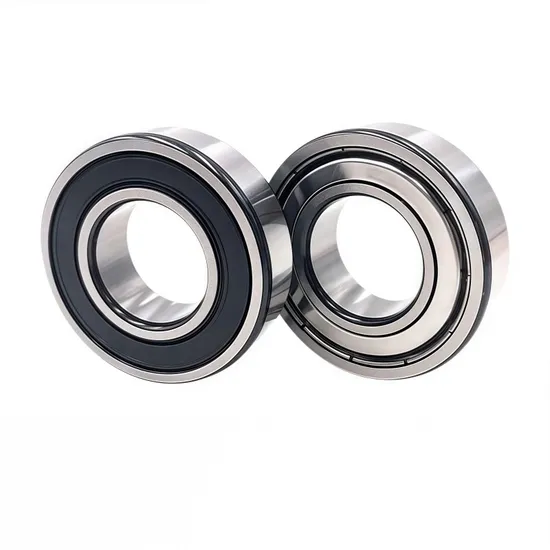
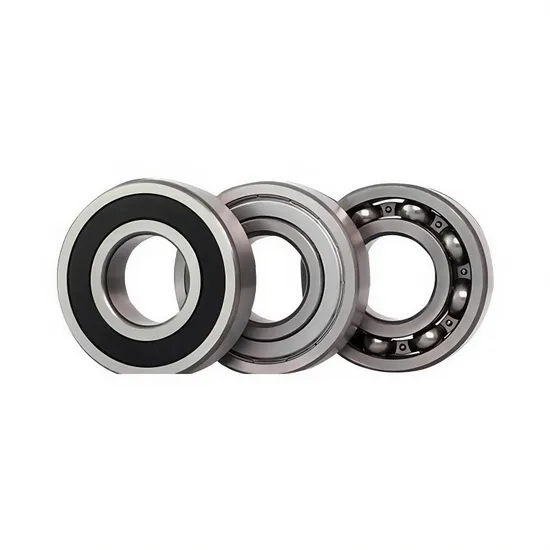
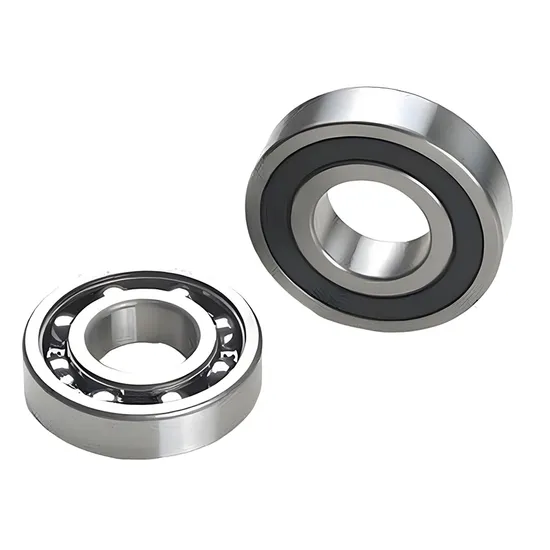
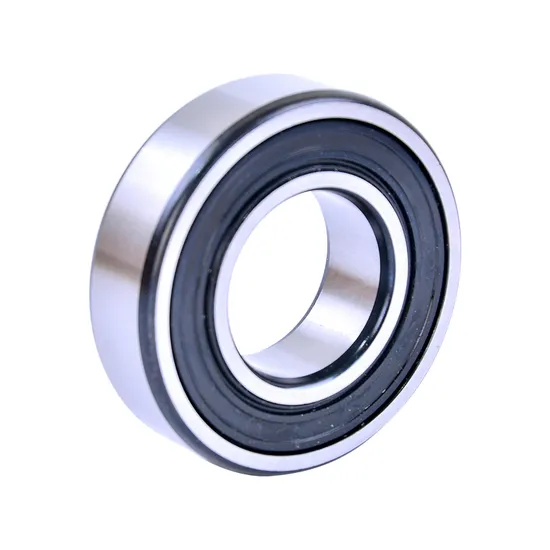
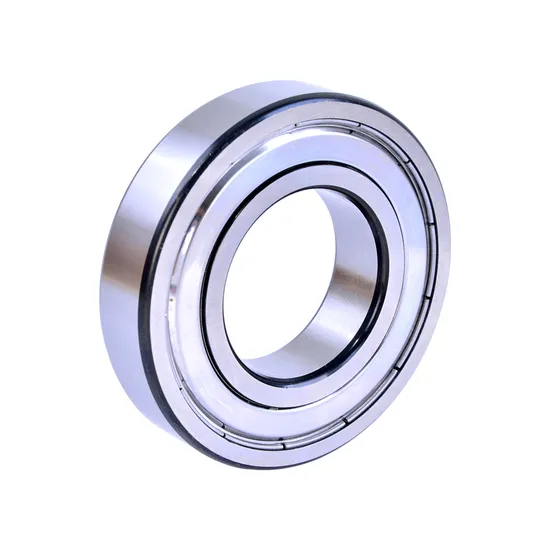
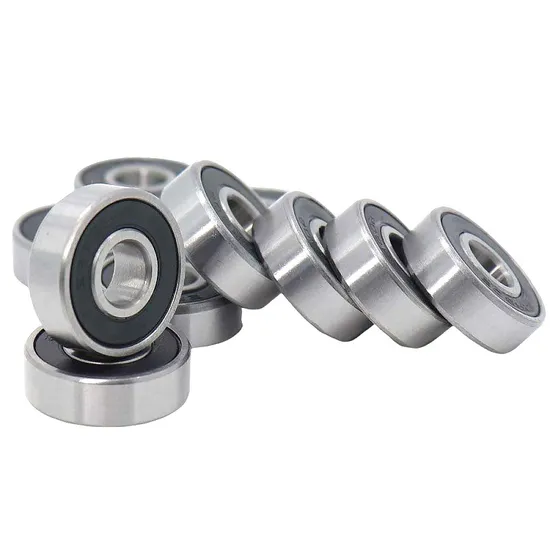
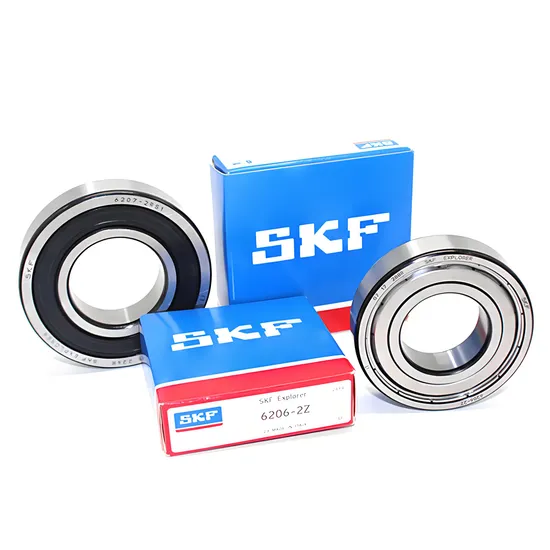
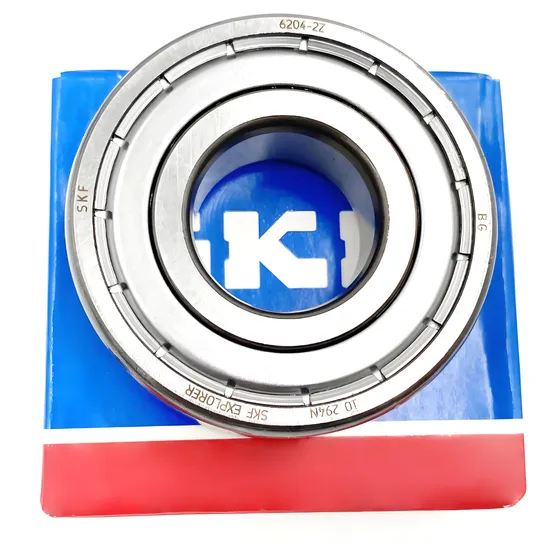
NTN NACHI NSK Koyo 6020zz Deep Groove Ball Bearing P4 P5 P6 features double iron shields for medium-speed dust protection. P4 and P5 precision classes suit printing press spindles, while P6 serves general applications. Verify authenticity via the official brand app QR channel.
Full Batch Traceability — Every NTN NACHI NSK Koyo 6020zz unit ships with manufacturer lot documentation for official QR verification.
| Parameter | Value |
|---|---|
| Designation | NTN NACHI NSK Koyo 6020zz |
| Bearing Type | Deep Groove Ball Bearing |
| Seal or Shield Type | Open, Rubber Seals (RS), Iron Seals (zz) |
| Precision Class | P4, P5, P6 |
| Noise and Vibration Level | Z1V1, Z2V2, Z3V3, Z4V4 |
| Material | Chrome Steel |
| Origin | Germany, Japan, Sweden, Malaysia, China |
| Industry | Typical Applications |
|---|---|
| Printing & Packaging | Printing press impression cylinders, Heidelberg main spindle supports, folder roller journals |
| Industrial Automation | High-speed electric motor rotors, precision conveyor drive shafts, automated pump assemblies |
| Power Transmission | Industrial gearbox intermediate shafts, synchronous timing belt tensioners |
Precision suffixes dictate thermal stability, not just dimensional fit.
I have seen too many printing facilities suffer catastrophic main spindle vibrations because a purchasing agent matched the base 6020 number but ignored the P4 precision requirement, accepting a P0 substitute instead. In high-speed printing press impression cylinders, this seemingly minor discrepancy causes severe thermal binding and premature cage failure. Sourcing the correct NTN NACHI NSK Koyo 6020zz deep groove ball bearing requires strict alignment of clearance, cage material, and precision suffixes to prevent unplanned downtime .
Selecting the right NTN NACHI NSK Koyo 6020zz deep groove ball bearing for printing machinery means looking far beyond the basic dimension. Our technical review process cross-references the exact OEM equipment number to verify whether the application demands P4 spindle-grade tolerances or if P5/P6 suffices for auxiliary rollers. We ensure the internal geometry and seal configuration perfectly match the high-speed operational profile of your specific press.
Printing press environments demand rigorous attention to rotational speed and contamination ingress. Iron shields (zz) provide non-contact protection against paper dust without generating friction heat, while rubber seals (RS) offer superior moisture resistance at the cost of higher torque. Furthermore, selecting the appropriate noise and vibration level, ranging from Z1V1 to Z4V4, is critical for maintaining the flawless print registration required in modern multi-color presses .
The suffix string on a deep groove ball bearing defines its operational boundaries. The zz designation indicates double iron shields, ideal for keeping paper particulate out of the raceway while allowing higher limiting speeds compared to contact seals. Conversely, an RS suffix denotes a single rubber seal, better suited for environments with liquid coolants or heavy washdowns. Upgrading from standard P6 to P4 precision drastically reduces radial runout, which is absolutely mandatory for preventing ghosting defects on the printed substrate.
Installing a standard clearance bearing where a C3 thermal expansion clearance was specified leads to rapid internal preload buildup as the shaft heats up. This results in catastrophic raceway spalling and voids the equipment warranty. According to ISO 281 frameworks, ignoring the precise suffix combination drastically shortens the calculated L10 life, turning a predictable maintenance interval into an emergency line stoppage that costs thousands in lost production .
We maintain authorized distribution channels across all major brands, allowing you to consolidate mixed-brand requirements into a single, fully documented shipment. When cross-referencing the NTN NACHI NSK Koyo 6020zz deep groove ball bearing to alternative manufacturers, we strictly align the clearance class and precision suffix, not just the base number. Every batch is traceable to the manufacturer, and we provide application-based selection reviews to ensure the seal type and precision grade match your exact printing press load and speed parameters.
Share your specific radial loads, operational speeds, and ambient temperature data so our engineering team can verify the L10 life of your selected configuration. Provide the exact OEM equipment number or printing press model to allow us to perform a comprehensive cross-reference check. We will confirm the precise clearance, seal type, and precision suffix required to keep your impression cylinders running flawlessly.
Q: How do I verify the authenticity of the P4 precision grade before installation?
A: Every unit ships with batch traceability documentation. You can scan the packaging QR code using the manufacturer's official mobile app to verify the origin. Additionally, we provide a dimensional and running accuracy inspection report that confirms the specific P4, P5, or P6 tolerances before the bearing is mounted in your printing press.
Q: Why must I check the clearance suffix when cross-referencing this model?
A: Matching only the base 6020 number ignores thermal expansion requirements. If your printing press spindle operates at high speeds, installing a standard clearance instead of the required C3 will cause thermal binding. We cross-reference the exact clearance, seal type, and precision suffix to prevent premature cage failure.
Q: What is the selection boundary between P4, P5, and P6 for printing applications?
A: P4 is strictly required for main impression cylinders and high-speed spindles where minimal radial runout prevents print ghosting. P5 and P6 are generally suitable for auxiliary rollers, conveyor drives, and lower-speed gearbox shafts where extreme rotational accuracy is less critical to the final print quality.
Q: How do zz iron shields and RS rubber seals differ in printing environments?
A: The zz iron shields provide non-contact protection against fine paper dust, allowing for higher limiting speeds and lower friction heat generation. The RS rubber seals offer better protection against liquid coolants and moisture but generate slightly more friction, making them better suited for slower-speed or washdown-intensive auxiliary press components.
Q: How should I choose the correct noise and vibration level for my equipment?
A: For main printing press spindles where vibration directly impacts print registration, specifying Z3V3 or Z4V4 is essential to ensure ultra-smooth operation. For general material handling conveyors or standard industrial gearboxes within the facility, Z1V1 or Z2V2 levels are typically sufficient and more cost-effective.
Our 5-step process ensures every order is engineered, validated, and supported for optimal performance.
Technical needs assessment
Custom specifications
Free samples for $50k+
Pre-shipment inspection
On-site & predictive
Our certified engineers respond within 24 hours with detailed technical specifications, pricing, and lead time information.