01
Consultation
Technical needs assessment

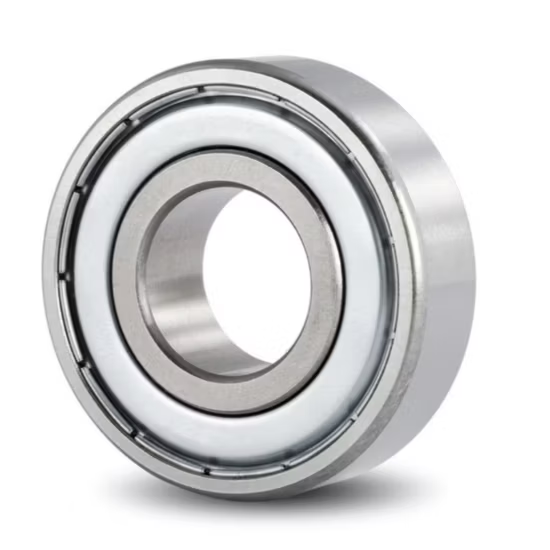


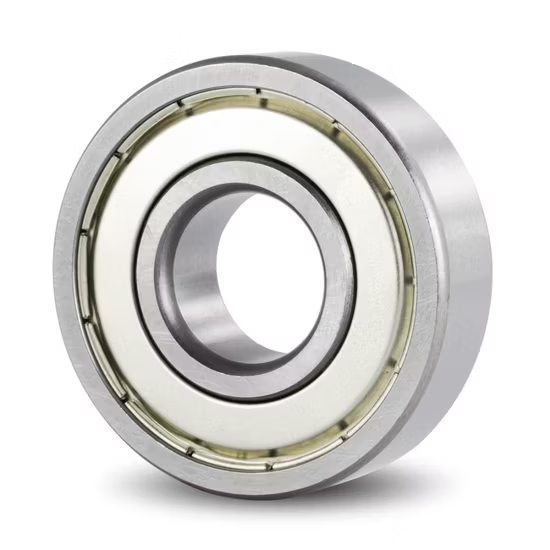


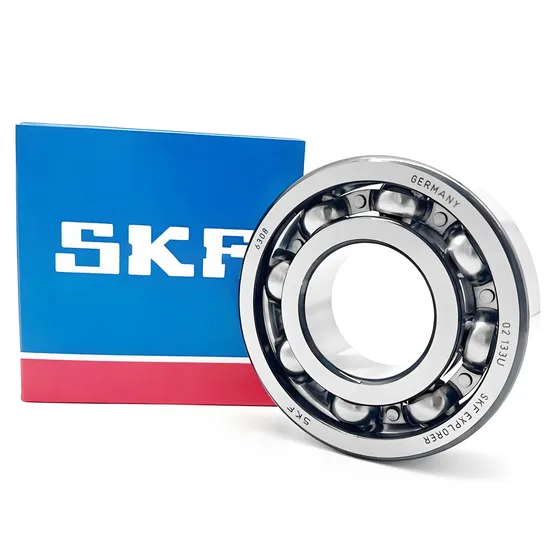
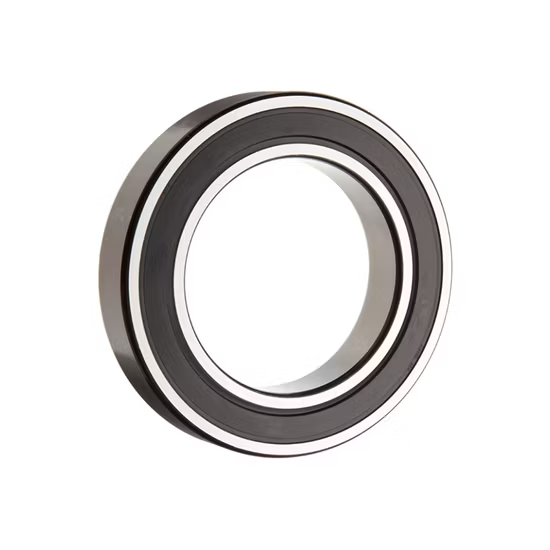
6215 2z NSK Deep Groove Ball Bearing features double steel shields for reliable contamination exclusion in medium-speed applications.
Exact Suffix Cross-Referencing — We align the base designation, internal clearance, and 2z shield configuration to prevent thermal binding in electric motors.
| Parameter | Value |
|---|---|
| Designation | 6215 2z NSK |
| Bearing Type | Deep Groove Ball Bearing |
| Seal or Shield Type | Double steel shields (2z) |
| Noise and Vibration Level | Z1V1, Z2V2, Z3V3, Z4V4 |
| Cage Material | Pressed steel or machined brass options |
| Clearance Class | CN, C3, C4 options |
| Precision Class | P0, P6, P5 options |
| Origin | Japan, Malaysia, or China production facilities |
| Industry | Typical Applications |
|---|---|
| Electric Motors | Rotor shaft support in high-efficiency AC and DC motors |
| Industrial Gearboxes | High-speed input shafts and intermediate gear stages |
| Material Handling | Drive pulley shafts and idler rolls on belt conveyors |
| Pumps and Compressors | Impeller shaft support in centrifugal fluid pumps |
Shield friction and incorrect clearance selection cause more downtime than actual contamination.
Procurement teams often assume that a double-shielded design is the universal solution for electric motors and gearboxes. However, when an NSK 6215 2z deep groove ball bearing is installed in a high-speed motor without verifying the internal clearance, the shields can trap heat generated by the motor windings. I have seen factory floors in the Yangtze River Delta brought to a complete standstill because a standard CN clearance was used instead of the required C3, leading to thermal expansion that locked the rotor shaft . The base number matched the OEM manual, but the missing clearance suffix destroyed the equipment.
Selecting the right NSK 6215 2z deep groove ball bearing requires looking beyond the basic dimensions to match the specific acoustic and thermal demands of the application. For high-efficiency electric motors, specifying a Z3V3 or Z4V4 noise and vibration grade ensures smooth operation and minimizes acoustic resonance. In industrial gearboxes, the non-contact double steel shields provide essential protection against airborne dust without introducing the friction penalties associated with rubber seals, maintaining optimal operating temperatures during continuous duty cycles.
Electric motors and gearboxes subject deep groove ball bearings to complex thermal gradients and particulate exposure. The internal clearance must accommodate the differential thermal expansion between the steel shaft and the aluminum or cast iron housing; failing to specify a C3 or C4 clearance in high-temperature motor applications results in negative internal clearance and premature cage failure . Furthermore, while the 2z shields effectively exclude coarse dust in conveyor environments, they cannot prevent the ingress of fine moisture or chemical vapors, making the selection of the correct factory-applied grease critical for long-term corrosion protection.
The 2z suffix on this deep groove ball bearing indicates the presence of double steel shields, which are pressed into the outer ring and maintain a precise, non-contact gap with the inner ring. This design excludes large particulate matter while avoiding the friction and heat generation inherent to contact rubber seals. The availability of Z1V1 through Z4V4 noise and vibration grades allows engineers to specify the exact dynamic balancing required for precision spindles or quiet household appliances. Additionally, ensuring the correct cage material—whether pressed steel for standard speeds or machined brass for higher vibration environments—directly influences the bearing's fatigue life under radial loads.
Ignoring the precise suffix configuration during cross-referencing leads to catastrophic operational consequences that extend far beyond the cost of a replacement part. Installing a standard clearance bearing in a high-heat application causes thermal binding, resulting in unplanned downtime and severe damage to the motor windings and shaft journals. According to ISO 15243 frameworks, improper clearance and seal selection are primary drivers of premature smearing and cage fractures . These failures void equipment warranties and force maintenance teams into emergency procurement cycles, disrupting entire production schedules.
Our approach to supplying the 6215 2z NSK eliminates the risks associated with mismatched suffixes and unverified supply channels. We strictly verify that the internal clearance and cage material align with your specific OEM requirements, preventing the all-too-common error of substituting a CN clearance for a C3 in high-temperature motors. Every batch is backed by full manufacturer traceability, allowing your quality team to scan official QR codes and confirm the exact production lot. We also provide cross-reference alignment that checks the shield configuration and noise grades, ensuring the replacement part perfectly mirrors the original equipment specifications without compromising performance.
To ensure the selected deep groove ball bearing meets your exact operational parameters, please provide the radial and axial load profiles, operating speeds, and ambient temperature ranges of your equipment. Sharing the specific OEM part numbers or motor nameplate data allows our engineering team to perform a comprehensive cross-reference check, verifying the shield type and internal clearance. This technical review guarantees that the supplied components will deliver reliable service life without the risk of thermal binding or acoustic failure.
Q: How do I verify the authenticity of the NSK 6215 2z deep groove ball bearing?
A: You can verify authenticity by scanning the QR code printed on the product packaging using the manufacturer's official mobile application. This digital check confirms the batch number, production facility, and exact suffix configuration, ensuring the bearing is a genuine product sourced through authorized distribution channels and not a counterfeit clone.
Q: Why is it critical to match the clearance suffix during cross-referencing?
A: Matching the clearance suffix, such as C3 instead of standard CN, is vital because electric motors generate significant heat that causes the inner ring to expand. If the clearance is too tight, the thermal expansion eliminates the internal gap, leading to excessive friction, thermal binding, and ultimately catastrophic seizure of the motor shaft during operation.
Q: What is the functional difference between 2z shields and 2RS rubber seals?
A: The 2z designation indicates double steel shields that maintain a small, non-contact gap with the inner ring, offering low-friction protection against dust and large particles. In contrast, 2RS rubber seals make direct contact with the inner ring, providing superior exclusion of fine moisture and liquids but generating higher friction and limiting the maximum permissible operating speed.
Q: How do I select the correct Z/V noise and vibration class for electric motors?
A: The selection depends on the acoustic requirements of the final application. Standard industrial motors typically perform well with Z1V1 or Z2V2 grades, while high-efficiency, precision, or household appliance motors require Z3V3 or Z4V4 classes to minimize audible hum and ensure smooth, vibration-free rotation at high operational speeds.
Q: Can I wash and re-lubricate a bearing with 2z steel shields?
A: Bearings equipped with 2z steel shields are generally designed as sealed-for-life components and are not intended to be washed or re-lubricated in the field. Attempting to force grease past the non-contact shields or prying them off risks contaminating the internal raceways and permanently damaging the precise shield geometry.
Our 5-step process ensures every order is engineered, validated, and supported for optimal performance.
Technical needs assessment
Custom specifications
Free samples for $50k+
Pre-shipment inspection
On-site & predictive
Our certified engineers respond within 24 hours with detailed technical specifications, pricing, and lead time information.