01
Consultation
Technical needs assessment



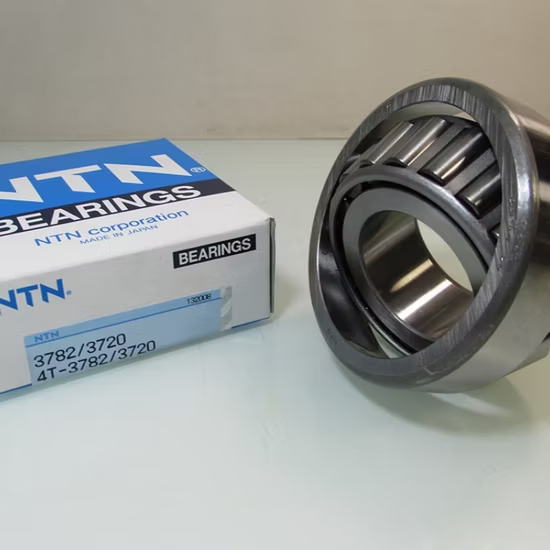
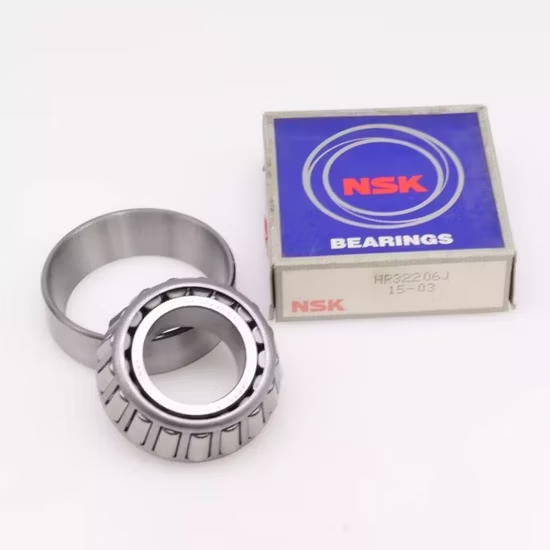

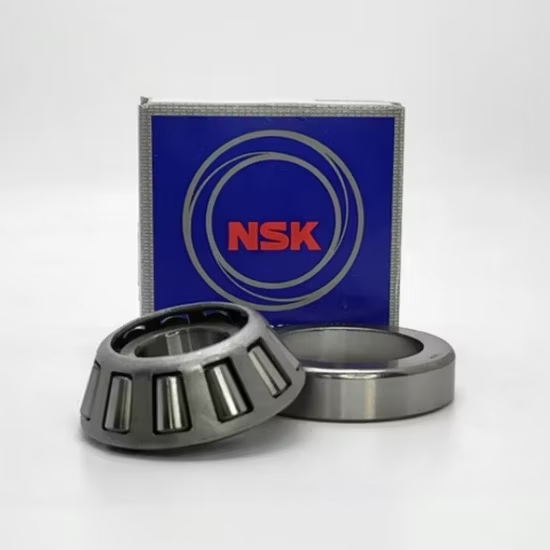
365/362 Inch Tapered Roller Bearing — inch-series tapered roller bearing with separate cone (365) and cup (362) components for combined radial and axial load management.
Three-way cross-reference alignment — verifying base designation, internal clearance, and cage material simultaneously prevents field binding on inch-series replacements.
| Parameter | Value |
|---|---|
| Designation | 365/362 |
| Bearing Type | Inch Tapered Roller Bearing |
| Precision Class | P4 |
| Material | GCr15 bearing steel |
| Cage Material Options | Nylon, Brass, Stamped steel |
| Origin | Germany, Japan, Sweden, Malaysia, China (authorized channels) |
| Industry | Typical Applications |
|---|---|
| Automotive & Heavy Vehicles | Wheel hubs, differential assemblies, transmission shafts |
| Industrial Gearboxes | Heavy-duty reduction gears, power transmission units |
| General Machinery | Conveyor pulleys, agricultural equipment drivetrains |
Matching the cone and cup numbers is only the first step in preventing premature cage failure.
When sourcing replacements for heavy-duty equipment, procurement teams often focus solely on the base designation. Overlooking internal clearance or cage material differences leads to thermal binding under high-load conditions. Early in my career handling export documentation in the Yangtze River Delta, I processed a batch of inch-series bearings sent to North America where standard clearance was installed instead of the required expanded clearance for high-temperature operation. The equipment experienced rapid thermal seizure, and teardowns revealed severe roller end face ablation.
Selecting the correct 365/362 inch tapered roller bearing requires evaluating the specific load profile of the target application. Tapered roller designs excel at managing combined radial and axial forces, making them ideal for differential assemblies and heavy-duty wheel hubs. Our technical review process goes beyond basic dimension matching to ensure the internal geometry aligns with the operational thrust and radial load ratios of your specific machinery.
Heavy-duty wheel hubs and gearboxes subject bearings to severe shock loads and significant temperature fluctuations. As operational heat builds up, the internal clearance must accommodate thermal expansion to prevent the rollers from binding against the raceways. Lubrication breakdown is another critical factor; high friction can degrade grease rapidly if the cage material is not suited for the operating speed and temperature. Proper installation and precise preload adjustment during mounting are equally vital to avoid edge loading on the roller ends.
The designation 365/362 consists of two distinct components: the 365 inner ring (cone) and the 362 outer ring (cup). This separation allows for flexible inventory management but demands strict cross-referencing during replacement. The P4 precision class ensures tighter dimensional and running accuracy, which is crucial for minimizing vibration in high-speed gearbox applications. Manufactured from GCr15 bearing steel, the components offer high hardness and wear resistance for extended service life. Furthermore, the availability of nylon, brass, or stamped steel cage options allows engineers to optimize the bearing for specific speed, load, and temperature boundaries.
Installing a standard clearance bearing in an application requiring expanded clearance inevitably leads to unplanned downtime and catastrophic damage. When the internal gap closes due to thermal expansion, the rollers skid rather than roll, generating excessive heat that destroys the cage and scores the raceways. According to ISO 281 and ISO 15243 frameworks, such lubrication and clearance-related failures drastically reduce the calculated L10 life. The resulting warranty voidance and emergency replacement costs far outweigh the initial procurement savings of skipping a thorough technical review.
We provide authorized coverage across all major international brands, allowing you to consolidate mixed-brand requirements into a single shipment. Every 365/362 unit features batch traceability to the manufacturer, verifiable through official brand applications. Our cross-reference process strictly aligns clearance, cage material, and precision class, preventing the common error of matching only the base cone and cup numbers. We also conduct application-based selection reviews to ensure the chosen variant withstands your specific load and temperature conditions.
To ensure accurate selection and cross-referencing, please provide your equipment's operational parameters, including radial and axial loads, rotational speed, and operating temperature range. Sharing the original OEM equipment number allows our engineering team to verify the exact internal clearance and cage material required. This technical review guarantees the proposed solution aligns perfectly with your application's mechanical and thermal demands.
Q: How can I verify the authenticity of the 365/362 bearings upon delivery?
A: Every batch includes a Certificate of Conformity and lot traceability documentation. You can verify authenticity by scanning the QR codes on the packaging using the manufacturer's official mobile application. This process confirms the production origin and rules out counterfeit products with cloned labels or substandard inner rings.
Q: Why is it necessary to match clearance and cage material during cross-referencing?
A: Matching only the base 365/362 designation ignores critical internal design variations. If an application requires expanded clearance for thermal expansion but receives a standard clearance part, the bearing will bind and overheat. Similarly, selecting the wrong cage material for the operating speed can lead to premature cage failure under heavy loads.
Q: How do I choose between nylon, brass, and stamped steel cages?
A: The choice depends on your specific operating conditions. Stamped steel cages are robust for general heavy-duty applications, while brass cages offer superior durability under high vibration and shock loads. Nylon cages are typically selected for applications requiring lower friction and quieter operation, provided the temperature remains within the polymer's thermal limits.
Q: What information is needed to confirm the correct cone and cup combination?
A: Please provide the existing bearing designation, the OEM equipment model number, and the specific application parameters such as load types, speeds, and operating temperatures. This data allows our technical team to confirm that the 365 inner ring and 362 outer ring combination meets the precise mechanical and thermal requirements of your machinery.
Our 5-step process ensures every order is engineered, validated, and supported for optimal performance.
Technical needs assessment
Custom specifications
Free samples for $50k+
Pre-shipment inspection
On-site & predictive
Our certified engineers respond within 24 hours with detailed technical specifications, pricing, and lead time information.