01
Consultation
Technical needs assessment

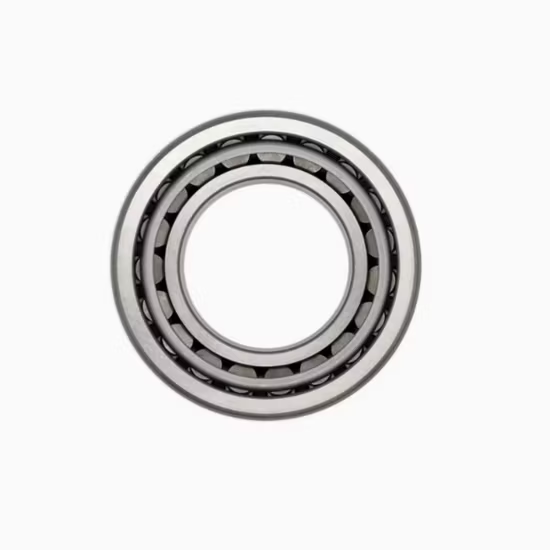


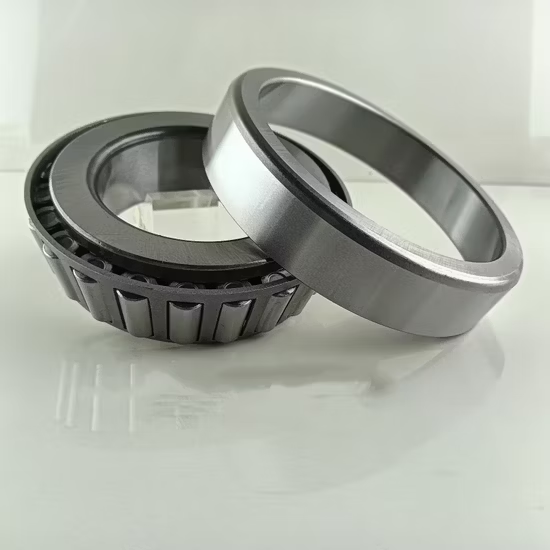
18590/18520 Tapered Roller Bearing — matched cone and cup assembly in inch-series configuration, engineered for automotive wheel hub and heavy-duty axle applications with combined radial and axial load capacity.
Three-Way Cross-Reference Alignment — matching the base inch-series designation with P4 precision and specific cage materials prevents thermal binding in wheel hub assemblies.
| Parameter | Value |
|---|---|
| Designation | 18590/18520 |
| Bearing Type | Tapered Roller Bearing |
| Precision Class | P4 |
| Material | GCr15 bearing steel |
| Cage Material | Nylon / Brass / Iron options |
| Origin | Germany / Japan / Sweden / Malaysia / China |
| Industry | Typical Applications |
|---|---|
| Automotive & Heavy Vehicles | Wheel hubs, truck axles, heavy-duty trailer suspensions |
| Industrial Power Transmission | Industrial gearboxes, marine drive shafts |
Overlooking internal design and precision suffixes during cross-referencing is the primary cause of premature wheel hub seizure.
Base numbers might match on paper, but ignoring the required P4 precision class or specific cage material leads to catastrophic thermal binding in the field. I have seen countless truck axles overheat simply because a standard P0 grade was installed where tight dimensional tolerances were mandatory . Sourcing the correct 18590/18520 tapered roller bearing requires verifying every internal parameter, not just the outer dimensions.
The tapered geometry of this inch-series component excels at managing the combined radial and axial forces inherent in steering knuckles and drive axles. By supplying the 18590/18520 tapered roller bearing with verified cross-brand interchange data, we ensure the internal contact angles perfectly align with your OEM equipment requirements. This precise matching eliminates the micro-slippage that typically accelerates raceway wear in heavy vehicle repair scenarios.
Wheel hub environments subject components to severe shock loads from road irregularities and significant temperature fluctuations during sustained highway speeds. These thermal cycles demand careful attention to internal clearance, as excessive heat generation from friction can rapidly degrade standard lubricants . Proper selection must account for the operating temperature range to maintain the optimal oil film thickness between the rolling elements and the raceways.
The identifier splits into the 18590 inner ring (cone) and the 18520 outer ring (cup), forming a separable inch-series assembly. Achieving P4 precision ensures exceptionally tight dimensional and running accuracy, which is critical for minimizing vibration in high-speed automotive drivetrains. The core components are manufactured from GCr15 bearing steel, providing the necessary hardness and fatigue resistance for demanding load cycles. Furthermore, cage material options include nylon, brass, or iron, allowing buyers to select the optimal retainer based on specific speed and vibration profiles.
Installing a component that matches the basic number but lacks the correct precision class inevitably results in unplanned downtime and catastrophic damage to the surrounding hub assembly. Misaligned internal geometries generate excessive friction, leading to premature failure that voids equipment warranties and halts fleet operations. According to ISO 281 standards, even minor deviations in load distribution drastically reduce the calculated L10 life of the assembly .
We provide authorized coverage across all major international brands, allowing you to consolidate mixed-brand requirements into a single, fully documented shipment. Our cross-reference protocol strictly aligns clearance, cage material, and precision class, eliminating the risk of receiving a base-match substitute that fails under thermal stress. Every batch features complete traceability to the manufacturer, verified via official brand apps to eradicate counterfeits with soft inner rings. We also conduct application-based selection reviews to confirm the component suits your specific load and temperature conditions.
Share your specific radial and axial load parameters, operating speeds, and hub temperature ranges so our technical team can verify the L10 life calculation. Providing the exact OEM equipment number allows us to perform a comprehensive cross-reference check, ensuring the internal design perfectly matches your assembly. This engineering review guarantees you receive the precise configuration required for your heavy-duty application.
Q: Why must cross-referencing include cage material and precision, not just the base designation?
A: Base numbers only define outer dimensions. Overlooking the P4 precision class or specific cage material leads to thermal binding and premature failure in wheel hubs. We verify all internal parameters to ensure the replacement perfectly matches the OEM engineering requirements and operating conditions.
Q: How do I verify the authenticity of these components using official brand apps?
A: Every shipment includes batch traceability documentation with unique QR codes. By scanning these codes through the manufacturer's official mobile application, you can instantly confirm the origin, production date, and genuine status of both the cone and cup, eliminating the risk of counterfeit parts.
Q: What are the performance differences between P0 and P4 precision in wheel hub applications?
A: P4 precision offers significantly tighter dimensional and running accuracy compared to standard P0 grades. In automotive wheel hubs, this reduced tolerance minimizes vibration, lowers operating temperatures, and extends the overall fatigue life of the assembly under high-speed and heavy-load conditions.
Q: How should I select the correct cage material for my specific application?
A: Cage selection depends on your operating environment. Nylon cages offer low friction and quiet operation for standard speeds, brass cages provide superior durability under high vibration and heavy loads, while iron cages are suited for specific high-temperature industrial gearbox applications. Share your工况 parameters for a tailored recommendation.
Our 5-step process ensures every order is engineered, validated, and supported for optimal performance.
Technical needs assessment
Custom specifications
Free samples for $50k+
Pre-shipment inspection
On-site & predictive
Our certified engineers respond within 24 hours with detailed technical specifications, pricing, and lead time information.