01
Consultation
Technical needs assessment

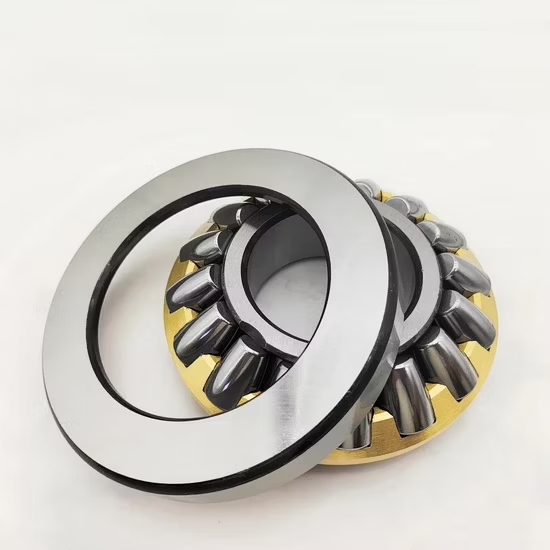
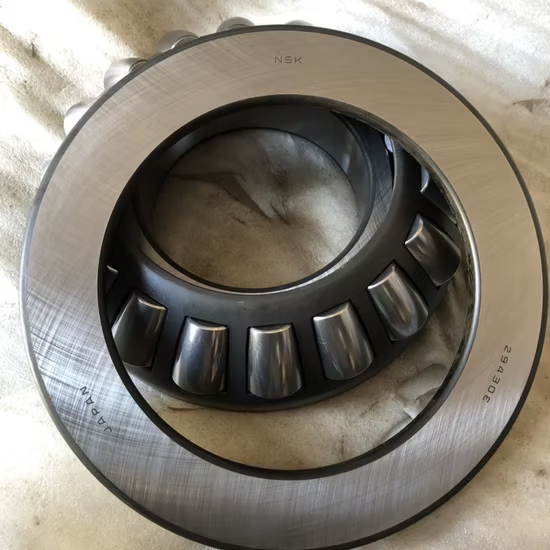
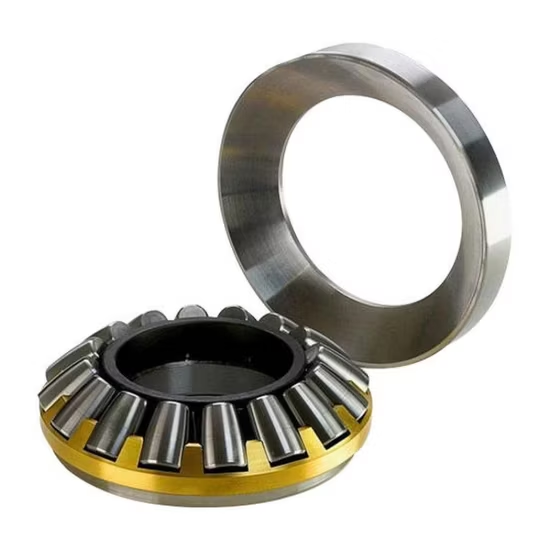
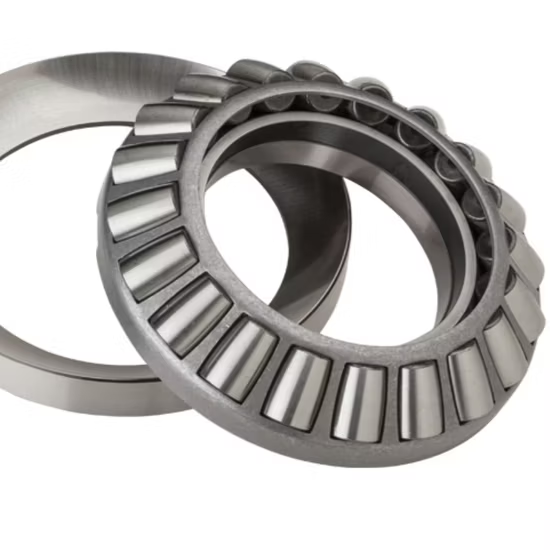
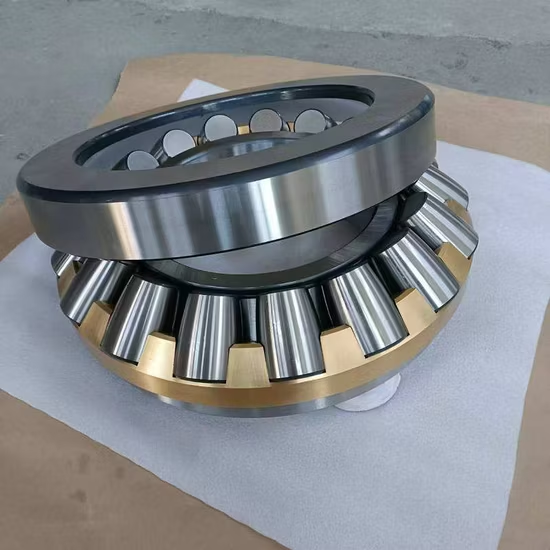
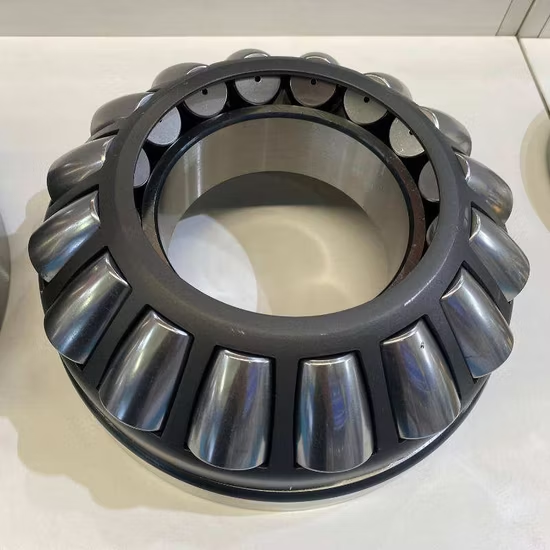
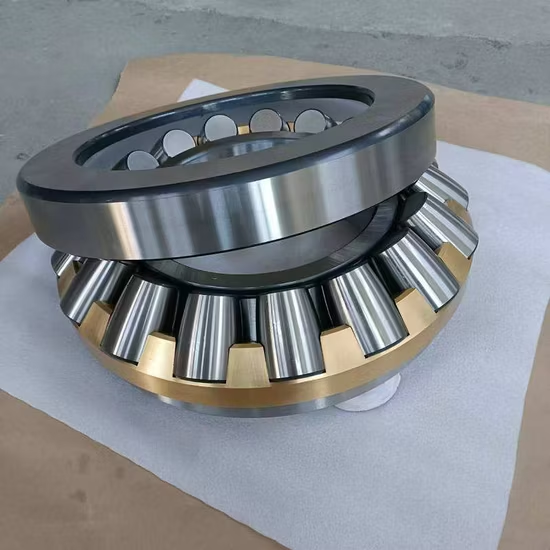
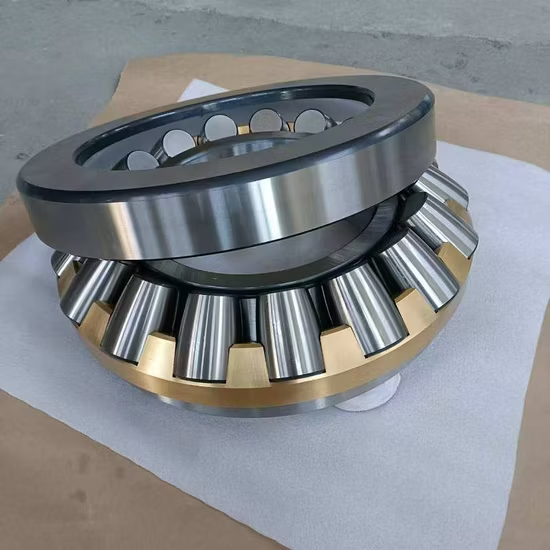
29412 Spherical Thrust Roller Bearing — engineered with a spherical raceway to accommodate shaft misalignment and sustain heavy axial loads in demanding industrial gearboxes, extruders, and marine drives.
Multi-Brand Authorized Sourcing — Consolidate mixed-brand requirements for heavy machinery into a single, fully traceable shipment without coordinating multiple suppliers.
| Parameter | Value |
|---|---|
| Designation | 29412 |
| Bearing Type | Spherical Thrust Roller Bearing |
| Origin | Germany / Japan / Sweden / Malaysia / China |
| Material | High-carbon chromium bearing steel (stainless variants available for specific environments) |
| Certification | Certificate of Conformity, Batch and Lot Traceability |
| Customization | Available with specific clearance, precision, and cage suffixes upon request |
| Industry | Typical Applications |
|---|---|
| Heavy-Duty Power Transmission | Extruder screw thrust support, industrial gearbox vertical shafts |
| Marine & Hydroelectric | Marine propulsion system thrust blocks, hydroelectric turbine guide bearings |
Matching the base 29412 spherical thrust roller bearing designation without verifying internal clearance is a primary cause of thermal seizure.
Years ago in Dubai, I investigated a catastrophic failure on a heavy extruder where a standard clearance replacement was installed in an application demanding thermal expansion allowance. The absence of a specific suffix on the replacement part led to internal binding and complete lock-up under extreme operating temperatures. Procurement teams often assume the base number is sufficient, overlooking that heavy machinery requires precise clearance and precision class alignment to survive .
The 29412 spherical thrust roller bearing is engineered to accommodate heavy axial loads while tolerating shaft misalignment through its spherical raceway geometry. In extruder screws and marine propulsion systems, the axial force is relentless and often accompanied by slight housing deflections. Sourcing from authorized channels ensures the internal geometry and roller profiling match the original equipment manufacturer's exact load distribution requirements, preventing localized stress concentrations that prematurely destroy the raceway.
Vertical gearbox shafts and hydroelectric turbine guides operate under continuous axial pressure where heat generation is inevitable. When operating temperatures rise, the internal clearance must be sufficient to prevent the rollers from skewing and binding against the raceways. Furthermore, the lubrication regime—whether oil bath or grease—must be compatible with the cage design to ensure adequate film thickness . Without the correct thermal expansion allowance built into the bearing's internal geometry, the lubricant is squeezed out, leading to rapid metal-to-metal wear.
A base designation without explicit suffixes leaves critical operating parameters to chance. The internal clearance class dictates how the bearing behaves as the shaft and housing expand at different rates under load. Similarly, the cage material—whether machined brass for high vibration and heavy loads or pressed steel for standard operations—must align with the specific dynamic forces of the application. Precision class determines the running accuracy, which is vital for minimizing vibration in high-speed marine drives. Assuming default specifications without verifying the OEM's hidden suffix requirements is a critical engineering oversight.
Installing an incorrectly specified thrust bearing rarely results in a graceful degradation; it typically ends in sudden, catastrophic seizure. When a vertical shaft locks up, the resulting torque spike can shear coupling bolts, damage gearbox housings, and destroy adjacent radial bearings. The financial impact of replacing a single bearing is negligible compared to the cost of halting an entire production line or dry-docking a vessel for emergency drivetrain repairs .
The industrial spare parts market is heavily compromised by counterfeit components featuring soft inner rings and cloned QR codes that easily pass casual visual inspections. We mitigate this risk by providing authorized coverage across all major global brands, ensuring every component is sourced directly from the manufacturer's production facilities. Our cross-brand interchange process verifies internal design, cage material, and precision class—not just the base number. This technical review prevents the exact type of clearance mismatch that causes thermal binding in the field, backed by full batch traceability.
To ensure the selected component perfectly matches your operational demands, please provide the specific radial and axial load profiles, operating speeds, and expected thermal gradients. Sharing the original equipment manufacturer's part number or equipment serial number allows our engineering team to perform a precise cross-reference check, identifying any critical clearance or precision suffixes required for your specific application. This technical validation ensures long-term reliability and prevents costly specification errors.
Q: How to verify the authenticity of 29412 bearings using official brand QR codes?
A: Counterfeiters often clone QR codes that redirect to fake websites. To verify authenticity, scan the code using the specific brand's official mobile application, not a generic scanner. The app will cross-reference the unique batch and lot number against the manufacturer's secure database, confirming the origin and production date of the specific unit.
Q: What are the critical cross-reference suffixes to check when replacing OEM bearings?
A: When replacing original equipment, the base number is insufficient. You must verify the internal clearance class to accommodate thermal expansion, the cage material for vibration resistance, and the precision class for running accuracy. Missing these suffixes during cross-referencing often leads to thermal binding or premature cage failure under heavy axial loads.
Q: How to select the right cage material for high-vibration gearbox applications?
A: For heavy-duty gearboxes experiencing high vibration and shock loads, a machined brass cage is typically required due to its superior structural integrity and damping characteristics. Pressed steel cages may suffice for standard operations, but our engineering team reviews the specific dynamic load data to recommend the optimal cage design for your machinery.
Q: What mounting tools and induction heating practices are recommended for large thrust bearings?
A: Large thrust components require controlled induction heating for the shaft washer to achieve the necessary expansion for a slip fit. It is critical to monitor the temperature closely to avoid exceeding the thermal limits that could compromise the steel's hardness. Proper alignment tools must also be used to ensure the spherical housing washer seats correctly without edge loading.
Our 5-step process ensures every order is engineered, validated, and supported for optimal performance.
Technical needs assessment
Custom specifications
Free samples for $50k+
Pre-shipment inspection
On-site & predictive
Our certified engineers respond within 24 hours with detailed technical specifications, pricing, and lead time information.