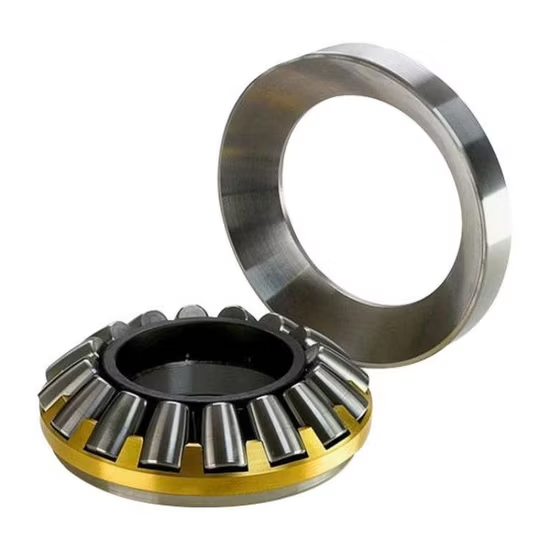
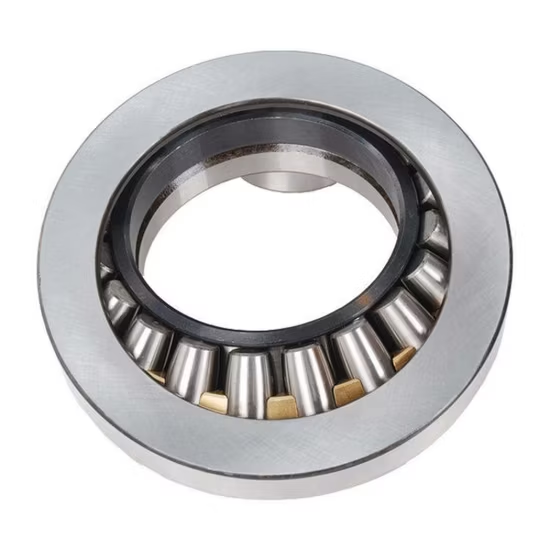
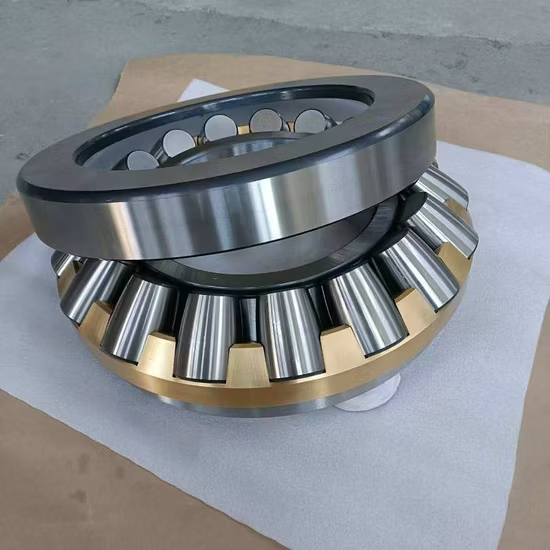
01
Consultation
Technical needs assessment

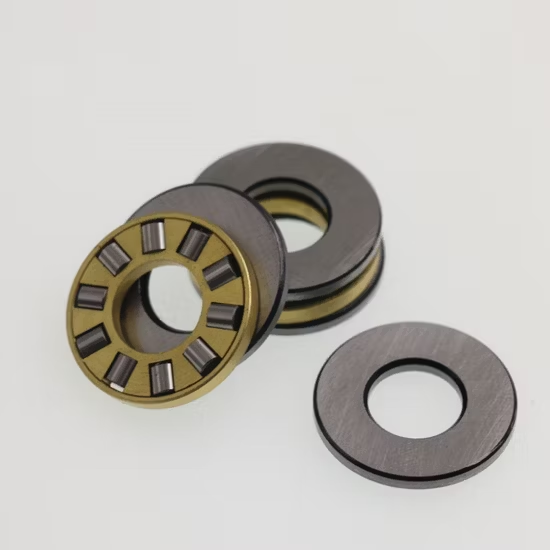
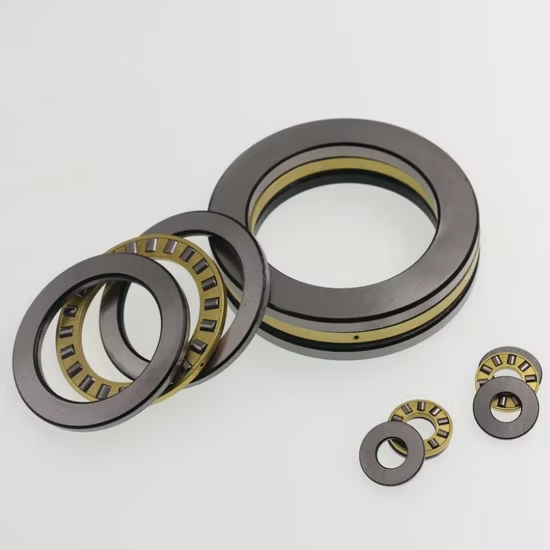
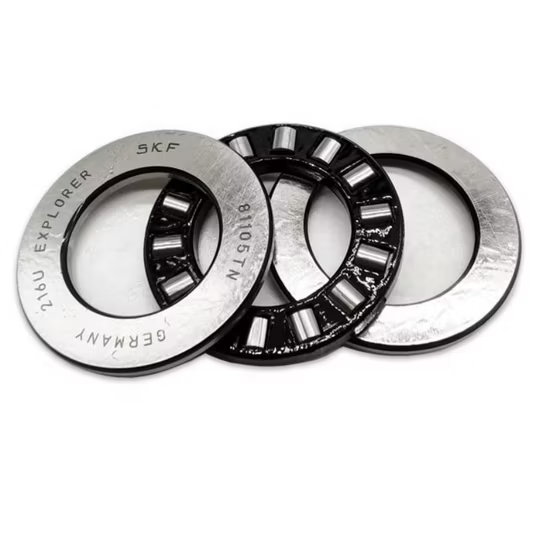
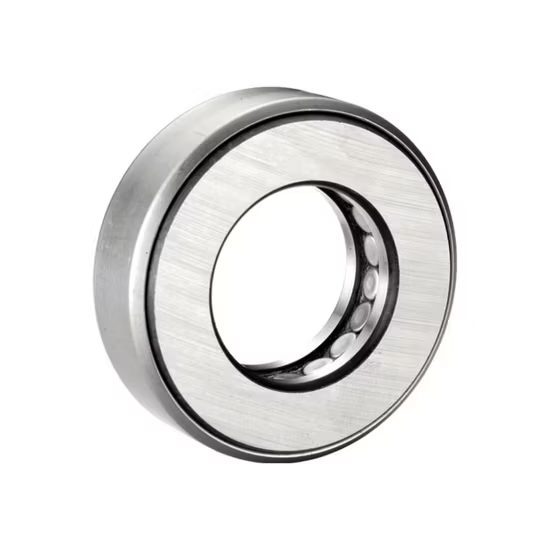

81113 Thrust Cylindrical Roller Bearing 65×90×18 mm — engineered for heavy unidirectional axial loads in crushers, mining equipment and industrial gearboxes. Cylindrical roller geometry distributes thrust forces across full contact lines, handling sustained shock loading at moderate speeds.
Traceable Batch Origins — Every 81113 unit ships with manufacturer lot documentation to verify metallurgical authenticity before it reaches your crusher site.
| Parameter | Value |
|---|---|
| Designation | 81113 |
| Bearing Type | Thrust Cylindrical Roller Bearing |
| Bore Diameter (d) | 65 mm |
| Outside Diameter (D) | 90 mm |
| Width (B) | 18 mm |
| Dynamic Load Rating (C) | Standard capacity for heavy axial loads |
| Static Load Rating (C₀) | Rated for high static thrust applications |
| Cage Material | Available in pressed steel or machined brass variants |
| Clearance Class | Standard CN, with C3/C4 available for thermal expansion |
| Precision Class | P0 standard, with P6/P5 options for precision spindles |
| Industry | Typical Applications |
|---|---|
| Mining and Crushing | Jaw crusher toggle plate thrust seats, gyratory crusher main shaft support |
| Industrial Gearboxes | Heavy-duty extruder gearbox axial positioning, vertical mixer drive shafts |
| Machine Tool Spindles | Vertical boring mill rotary table thrust support, heavy lathe faceplate mounting |
| Hoisting Machinery | Mine hoist drum axial retention, crane slewing mechanism backup thrust rings |
Matching the base designation without verifying internal design is a primary cause of catastrophic axial failure.
I still remember the smell of scorched metal and melted grease from a jaw crusher in Ethiopia. The maintenance crew had installed a basic 81113 thrust cylindrical roller bearing that matched the OEM part number perfectly, yet it seized within weeks. The failure wasn't due to the dimensions; it was because the standard clearance and cage material were entirely unsuited for the extreme shock loads and thermal expansion of the crushing chamber . When procurement teams focus solely on the 65x90x18mm footprint, they overlook the internal geometry required to survive heavy vibration.
Selecting the right 81113 thrust cylindrical roller bearing requires looking past the basic 65x90x18mm envelope. We evaluate the specific axial loads, shock frequencies, and operating temperatures of your equipment to recommend the correct internal clearance and cage material. This application-based selection review ensures the bearing can handle the brutal realities of mining and heavy-duty gearbox environments without premature degradation.
Crusher environments subject thrust bearings to severe, intermittent axial shock loads rather than smooth, continuous pressure. These impacts demand a robust cage design—often machined brass rather than standard pressed steel—to prevent roller skewing and cage fracture under vibration. Furthermore, the intense friction and ambient heat in mining operations cause significant shaft expansion. If the bearing lacks the appropriate internal clearance to accommodate this thermal growth, the rollers will bind against the raceways, leading to rapid temperature spikes and eventual seizure .
The 81113 designation defines the physical boundaries, but the internal configuration dictates survival. For high-vibration crusher applications, a machined brass cage is often necessary to maintain roller alignment and dissipate heat more effectively than standard pressed steel alternatives. Clearance selection is equally critical; while standard CN clearance suits general gearboxes, the thermal expansion in crushing chambers frequently necessitates C3 or C4 clearance to prevent internal preload buildup. Precision class also plays a role—while P0 is adequate for heavy hoisting, machine tool spindle applications utilizing this 65mm bore require tighter P6 or P5 tolerances to minimize axial runout and maintain rotational accuracy.
Installing a bearing that matches the outer dimensions but fails on internal specifications leads to devastating consequences. A cage failure in a main drive gearbox doesn't just destroy the bearing; it sends metallic debris through the entire lubrication system, causing catastrophic damage to gears and secondary shafts. This results in unplanned downtime that halts entire production lines, voids equipment warranties, and forces emergency procurement at premium costs. According to failure analysis frameworks, a significant share of these premature failures stem directly from applying standard internal configurations to non-standard, high-stress environments .
Our approach goes beyond simply picking a box with the right numbers on it. We provide authorized coverage across all major international brands, meaning you can consolidate mixed-brand requirements for your entire plant into a single, verified order. Because cross-reference errors frequently occur when matching base designations without checking clearance and cage suffixes, our engineering team manually verifies these internal parameters against your specific application data. Every shipment includes batch traceability to the manufacturer, ensuring you receive genuine components with verified metallurgical properties, not counterfeit clones with soft inner rings that fail under load.
To ensure the selected configuration matches your exact operational demands, please provide the specific axial load profiles, operating speeds, and expected temperature ranges of your equipment. If you are replacing an existing unit, sharing the OEM equipment number or the exact internal clearance and cage requirements allows our engineering team to perform a precise cross-reference review. This technical data enables us to calculate the expected L10 life and recommend the optimal material and precision class for your application.
Q: How do thrust cylindrical roller bearings differ from spherical roller thrust bearings in crusher applications?
A: Thrust cylindrical roller bearings like the 81113 are optimized for pure, heavy axial loads with high rigidity, making them ideal for precise axial positioning in gearboxes. Spherical roller thrust bearings can accommodate combined loads and shaft misalignment. Selecting between them depends on whether your crusher application involves strict axial alignment or significant shaft deflection under load.
Q: How do you ensure the internal design matches our OEM requirements during cross-referencing?
A: We do not rely solely on base designation matching. Our technical team reviews your required clearance class, cage material, and precision grade to ensure the substitute bearing performs identically under load. This prevents the common error of installing a standard clearance bearing in an application that specifically requires C3 clearance for thermal expansion.
Q: What installation practices are critical for the 81113 in high-vibration environments?
A: In high-vibration crusher settings, ensuring absolute perpendicularity of the mounting surfaces is critical to prevent edge-loading on the cylindrical rollers. Additionally, applying the correct axial preload during assembly and using high-viscosity, extreme-pressure lubricants will protect the cage and rolling elements from shock-induced micro-fractures.
Q: How can we verify the authenticity of the bearings upon delivery?
A: Every bearing we supply includes batch traceability documentation and a Certificate of Conformity. You can verify the authenticity directly on the shop floor by scanning the manufacturer's QR code using their official mobile application, ensuring the internal metallurgy matches the original factory specifications.
Our 5-step process ensures every order is engineered, validated, and supported for optimal performance.
Technical needs assessment
Custom specifications
Free samples for $50k+
Pre-shipment inspection
On-site & predictive
Our certified engineers respond within 24 hours with detailed technical specifications, pricing, and lead time information.