01
Consultation
Technical needs assessment

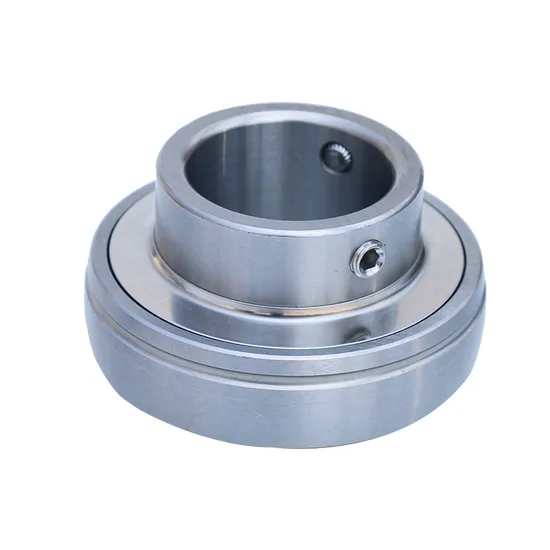
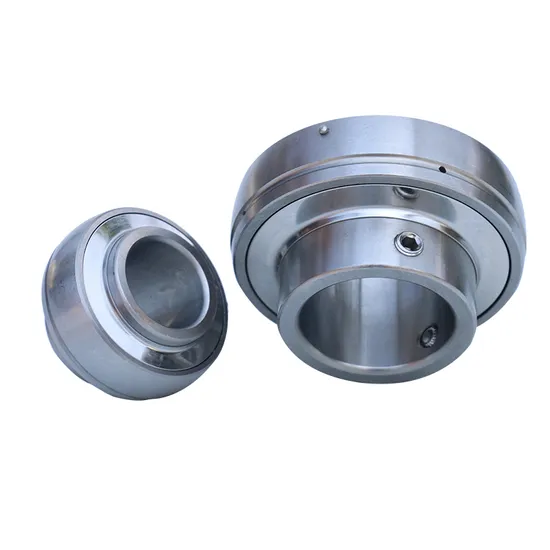
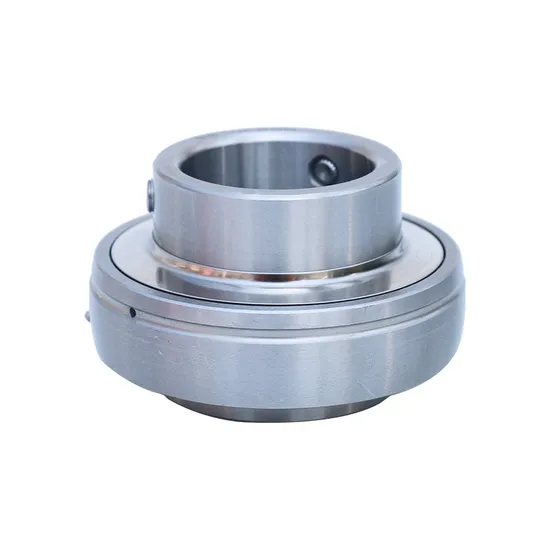
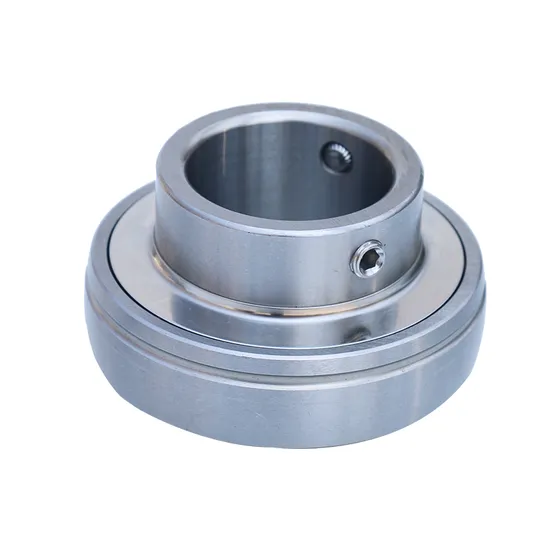
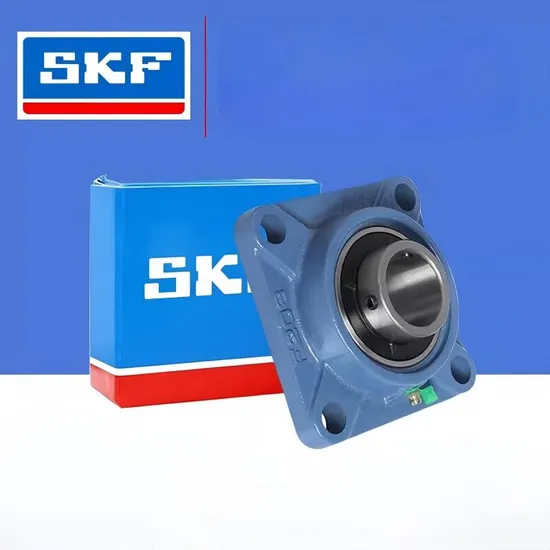
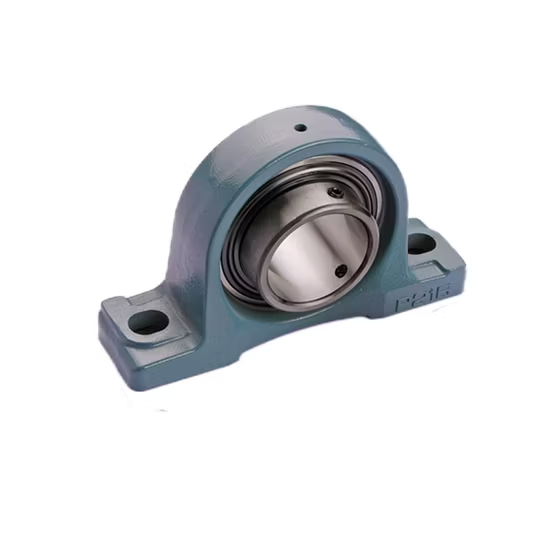
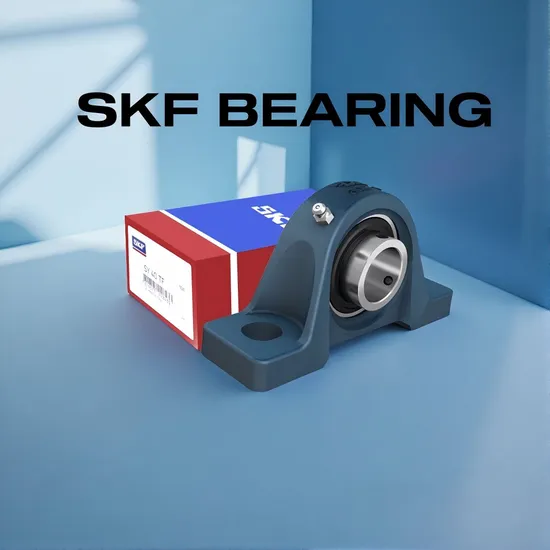
UC215-45 Insert Bearing 45 mm Bore — single-row deep groove raceway optimized for radial loads in agricultural machinery.
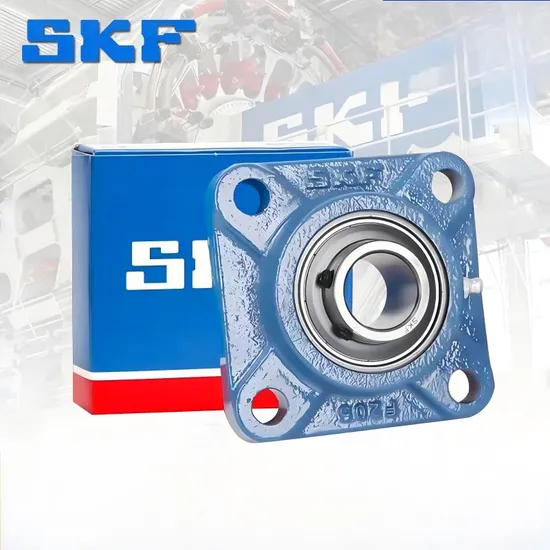
Multi-brand authorized coverage — One consolidated shipment delivers traceable UC series units across major global manufacturers without juggling multiple vendors.
| Parameter | Value |
|---|---|
| Designation | UC215-45 |
| Bearing Type | Insert Bearing |
| Bore Diameter (d) | 45 mm |
| Bearing Block Model | P (Pillow Block) |
| Rows Number | Single |
| Raceway | Deep Groove Raceway |
| Material Options | Cast Iron housing, bearing steel or stainless steel inner/outer rings |
| Feature Options | Corrosion Resistant, High Temperature, High Speed variants |
| Aligning | Non-Aligning Bearing (relies on housing spherical seat) |
| Separated | Separated |
| Origin | Germany / Japan / Sweden / Malaysia / China |
| Customization | Available |
| Industry | Typical Applications |
|---|---|
| Agriculture | Combine harvester sieves, tractor PTO shaft supports, grain auger drives |
| Material Handling | Belt conveyor drive pulleys, roller bed idlers, bucket elevator shafts |
| Textile | Spinning frame drafting rollers, loom let-off mechanisms |
Matching the base designation while ignoring internal clearance and seal suffixes guarantees premature seizure under agricultural thermal cycling.
Procurement teams often approve replacements based solely on the basic outer diameter and width, overlooking the critical suffix differences that dictate field survival. I have witnessed entire processing lines halt because a standard clearance variant was forced into a high-heat, high-dust environment where thermal expansion eliminated the internal gap, leading to catastrophic locking . When the internal geometry does not account for the specific operational temperature delta, the rolling elements skid rather than roll, destroying the raceway within weeks.
Sourcing the correct UC215-45 insert bearing requires looking past the stamped numbers to verify the exact seal configuration and clearance class required by the equipment's thermal profile. Our engineering review cross-references the OEM equipment number to ensure the replacement matches not just the physical envelope, but the internal design intended for heavy radial loads and moderate misalignment. This prevents the all-too-common scenario where a physically compatible part fails functionally due to mismatched internal tolerances.
Agricultural and conveyor environments subject components to extreme temperature fluctuations and heavy particulate contamination. As the shaft and housing expand at different rates under solar exposure or friction heat, a standard internal clearance will quickly vanish, causing the rolling elements to bind and generate excessive heat . Furthermore, abrasive dust infiltrating the raceway acts as a grinding paste, accelerating wear. Selecting the appropriate contact seal design and high-temperature grease is therefore mandatory to maintain a protective barrier against both thermal seizure and environmental ingress.
The "-45" suffix strictly defines the 45 mm bore diameter, ensuring a precise interference fit on the shaft without the need for complex machining or adapter sleeves. The deep groove raceway profile is engineered to handle predominantly radial loads while accommodating the axial displacement typical in long conveyor shafts. When paired with a P-type cast iron pillow block, the spherical outer diameter of the insert bearing compensates for minor mounting misalignments, preventing edge loading on the rolling elements. Available material and feature options, including corrosion-resistant treatments, allow the assembly to withstand washdown procedures or humid field conditions without degrading the structural integrity of the housing.
Installing an unverified component that visually mimics the original specification often results in unplanned downtime that dwarfs the initial savings. A softer inner ring material will deform under the set screw torque, causing the bearing to spin on the shaft and destroy the journal . Similarly, cloned QR codes on counterfeit packaging bypass casual visual inspections but offer zero actual traceability, leaving the maintenance team blind to the true origin and metallurgical quality of the part. This lack of verifiable provenance inevitably leads to catastrophic damage to adjacent machinery components and immediate warranty voidance.
We provide authorized coverage across all major brands, allowing a single order to fulfill mixed-brand requirements for complex conveyor systems without supply chain friction. Every unit ships with batch traceability to the manufacturer, verified via official brand apps to eliminate the risk of soft inner rings found in counterfeit batches. Our cross-brand interchange process strictly matches clearance, cage material, and precision suffixes, ensuring a replacement performs identically to the OEM specification rather than just fitting the hole. We conduct an application-based selection review covering load, speed, and temperature to prevent the costly mistake of installing a standard clearance unit in a high-heat agricultural drive.
To ensure the selected unit withstands your specific operational environment, please provide the radial and axial load profiles, operating speeds, and ambient temperature ranges. Sharing the exact OEM equipment number allows our technical team to perform a precise cross-reference review, verifying that the internal clearance and seal configuration match the original design intent. This data enables us to recommend the optimal material and feature options for your application, backed by full L10 life calculations and comprehensive documentation.
Q: What does the "-45" suffix indicate, and how should I measure it?
A: The "-45" suffix specifies a precise 45 mm bore diameter designed for a direct shaft fit. Always measure the shaft journal using a calibrated micrometer at multiple points to check for wear or taper. Forcing an insert bearing onto an out-of-tolerance shaft will distort the inner ring, causing internal binding and premature failure of the deep groove raceway.
Q: How do I ensure cross-referenced units match the original clearance and seals?
A: Base numbers alone do not define internal geometry. We cross-reference the OEM part number to verify the exact internal clearance class and seal type required for your thermal and contamination profile. This prevents the common error of installing a standard clearance unit in a high-heat application, which leads to thermal expansion and eventual seizure.
Q: When should I choose a cast iron housing over stamped steel for agriculture?
A: Cast iron P-type housings provide superior structural rigidity and vibration damping, making them essential for heavy-duty agricultural drives and conveyors experiencing shock loads. Stamped steel is generally reserved for light-duty, low-speed applications where weight reduction is prioritized over structural stability and long-term fatigue resistance.
Q: How is batch traceability verified for customized or multi-brand orders?
A: Every unit, regardless of the manufacturing origin, ships with batch traceability documentation and a unique identifier. You can verify the authenticity and production details directly through the manufacturer's official mobile app, ensuring the component meets the specified metallurgical and dimensional standards before installation.
Our 5-step process ensures every order is engineered, validated, and supported for optimal performance.
Technical needs assessment
Custom specifications
Free samples for $50k+
Pre-shipment inspection
On-site & predictive
Our certified engineers respond within 24 hours with detailed technical specifications, pricing, and lead time information.