01
Consultation
Technical needs assessment

![UC212-36 to UC214-44 Insert Bearing Pillow Block Unit Authorized Supply [WARN] draft identifier mismatch - 1](https://skfiso.com/wp-content/uploads/2026/06/ODM-Stainless-Steel-Bearing-High-Precision-Suc209-Suc210-Suc211-Suc212-Timken-NSK-IKO-Koyo-NTN-Low-Noise-Pillow-Block-Bearing-3.webp)
![UC212-36 to UC214-44 Insert Bearing Pillow Block Unit Authorized Supply [WARN] draft identifier mismatch - 2](https://skfiso.com/wp-content/uploads/2026/06/Spherical-Bearings-Pillow-Block-Bearings-UC209-UC210-UC211-UC212-UC213-UC214-for-Agricultural-Machinery-2.webp)
![UC212-36 to UC214-44 Insert Bearing Pillow Block Unit Authorized Supply [WARN] draft identifier mismatch - 3](https://skfiso.com/wp-content/uploads/2026/06/Spherical-Bearings-Pillow-Block-Bearings-UC209-UC210-UC211-UC212-UC213-UC214-for-Agricultural-Machinery-1.webp)
![UC212-36 to UC214-44 Insert Bearing Pillow Block Unit Authorized Supply [WARN] draft identifier mismatch - 4](https://skfiso.com/wp-content/uploads/2026/06/ODM-Stainless-Steel-Bearing-High-Precision-Suc209-Suc210-Suc211-Suc212-Timken-NSK-IKO-Koyo-NTN-Low-Noise-Pillow-Block-Bearing.webp)
![UC212-36 to UC214-44 Insert Bearing Pillow Block Unit Authorized Supply [WARN] draft identifier mismatch - 5](https://skfiso.com/wp-content/uploads/2026/06/ODM-Stainless-Steel-Bearing-High-Precision-Suc209-Suc210-Suc211-Suc212-Timken-NSK-IKO-Koyo-NTN-Low-Noise-Pillow-Block-Bearing-4.webp)
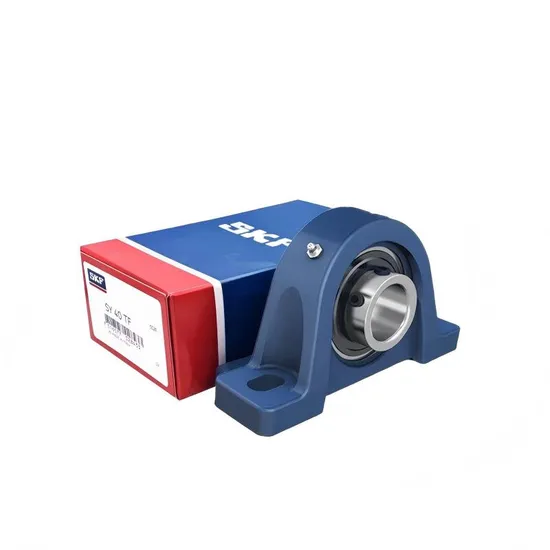
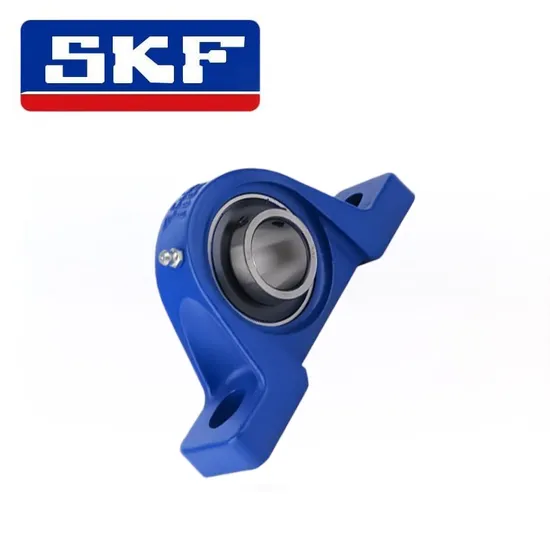
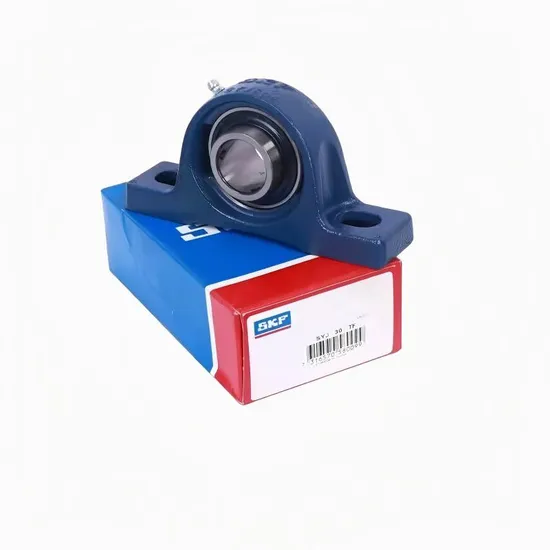
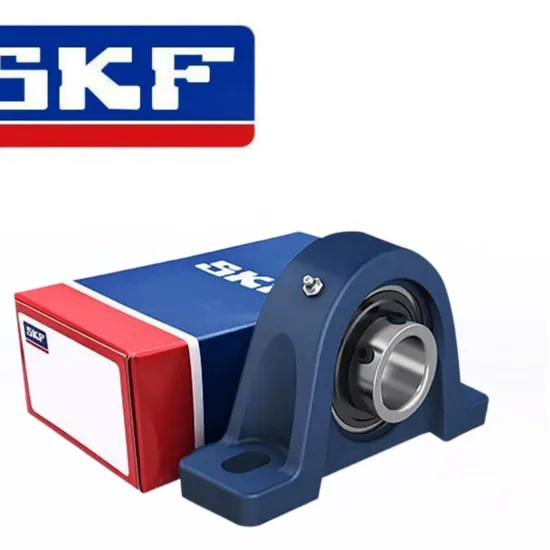
UC212-36 Insert Bearing Pillow Block Unit — features an extended inner ring and a precise 2 1/4 inch bore for secure shaft mounting.
Multi-brand authorized coverage — Fulfill mixed SKF, FAG, and NSK requirements for inch-bore pillow blocks in a single consolidated shipment without juggling multiple vendors.
| Parameter | Value |
|---|---|
| Designation | UC212-36 |
| Product Type | Insert Bearing / Pillow Block Unit |
| Bearing Type | Insert Bearing (Deep Groove Ball) |
| Bore Diameter (d) | 2 1/4 inches (Inch bore designation -36) |
| Housing Type | P - Pillow Block |
| Housing Material | Cast Iron |
| Number of Rows | Single |
| Raceway Type | Deep Groove |
| Arrangement | Standard insert with extended inner ring |
| Customization | Available in varied seal, cage, and clearance options |
| Industry | Typical Applications |
|---|---|
| Agriculture | Harvester drive shafts, tractor PTO supports, grain auger bearings |
| Material Handling | Belt conveyor idler pulleys, bucket elevator tail shafts |
| Textile | Yarn winding machine rollers, loom drive mechanisms |
A matched base designation means nothing if the inch-bore suffix and internal clearance are ignored.
Sourcing teams frequently approve replacements based solely on the "UC212" prefix, missing the critical "-36" inch-bore requirement or the necessary C3 clearance for thermal expansion. In high-dust farming environments, this oversight leads to severe shaft scoring or immediate thermal binding once the equipment reaches operating temperature. I have seen countless harvesters sidelined during peak season because a metric bore was forced onto an imperial shaft, or a standard clearance insert seized under heavy crop loads . Securing the exact UC212-36 insert bearing pillow block unit prevents these catastrophic field failures.
Procurement engineers often overlook the "-36" suffix, which dictates a precise 2 1/4 inch bore. When this UC212-36 insert bearing pillow block unit is specified, the extended inner ring and set screw mechanism must grip the imperial shaft uniformly. Cross-referencing across authorized brands ensures the internal geometry and locking mechanism align perfectly with your OEM equipment, eliminating the micro-slip that wears out both the bearing and the shaft.
Agricultural and conveyor applications subject components to intense radial loads combined with severe environmental contamination. The deep groove raceway handles the primary radial forces, but the sealing arrangement is what dictates survival. Depending on the specific operating environment, selecting the correct triple-lip seal variant prevents abrasive crop dust from penetrating the grease cavity, while the cast iron housing provides the necessary structural rigidity to withstand shock loads during uneven terrain operation .
The "UC" prefix identifies a deep groove insert bearing with an extended inner ring, designed specifically for mounting in pillow block housings via set screws. The "212" indicates the dimension series, balancing load capacity with spatial constraints. The "-36" is the crucial inch-bore identifier. Inside, the single-row deep groove geometry accommodates moderate axial loads in both directions. Buyers must verify the internal clearance class; while CN is standard, agricultural drives often require C3 clearance to compensate for thermal expansion and tight interference fits on the shaft.
Installing an insert with incorrect internal clearance or a mismatched bore size triggers a cascade of mechanical failures. An overly tight fit on an imperial shaft eliminates the internal radial clearance, causing the rolling elements to skid rather than roll, generating excessive heat and premature cage failure. Conversely, ignoring the specific seal type for a high-dust environment allows particulate ingress that acts as a grinding paste. These missteps result in unplanned downtime, catastrophic damage to the driven shaft, and voided equipment warranties .
Sourcing genuine components requires more than just matching a part number on a purchase order. We provide authorized distribution across major international brands, ensuring your UC212-36 insert bearing pillow block unit arrives with full batch traceability. Counterfeit inserts often feature soft inner rings that deform under set screw torque, leading to immediate slippage. Our cross-brand interchange process strictly aligns the base number, the inch-bore suffix, and the exact seal configuration, backed by official verification channels to guarantee metallurgical integrity.
To ensure optimal performance and longevity, please provide your specific radial and axial load profiles, operating speeds, and ambient temperature ranges. Supplying the OEM equipment number or the exact shaft dimensions allows our technical team to perform a comprehensive L10 life calculation and verify the cross-reference compatibility. We will confirm the precise seal and clearance configuration required for your unique operating environment before finalizing the order.
Q: Why does the base number match but the UC212-36 insert bearing pillow block unit still fail to fit?
A: The base "UC212" only defines the outer dimensions and series. The "-36" suffix specifies a precise 2 1/4 inch bore. Substituting a metric bore equivalent or ignoring the internal clearance suffix causes severe installation interference or operational thermal binding, leading to immediate field failure.
Q: How can I verify the authenticity of the received pillow block units?
A: Every authorized unit includes batch traceability documentation. You can scan the QR code on the packaging using the manufacturer's official mobile application to verify the production lot, confirming the metallurgical integrity and exposing counterfeit products with cloned labels.
Q: Which seal type is optimal for high-dust agricultural applications?
A: For environments with heavy crop dust and moisture, multi-lip contact seals are highly recommended. They provide superior contamination exclusion compared to standard single-lip or non-contact metal shields, preventing abrasive particles from destroying the internal grease and raceway surfaces.
Q: How should I tighten the set screws on the extended inner ring?
A: Apply the manufacturer's specified torque to the set screws evenly. Over-torquing can distort the inner ring raceway or strip the threads, while under-torquing allows the bearing to spin on the shaft, causing severe fretting corrosion and shaft damage.
Our 5-step process ensures every order is engineered, validated, and supported for optimal performance.
Technical needs assessment
Custom specifications
Free samples for $50k+
Pre-shipment inspection
On-site & predictive
Our certified engineers respond within 24 hours with detailed technical specifications, pricing, and lead time information.