01
Consultation
Technical needs assessment


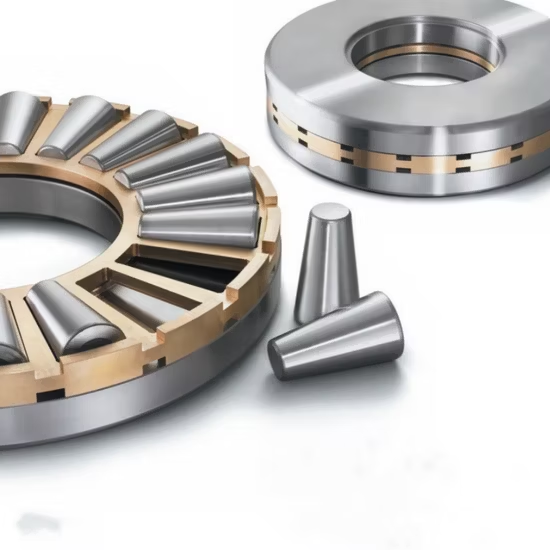
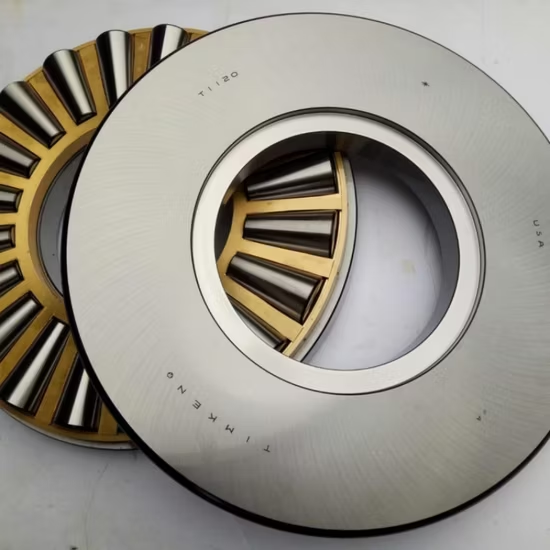
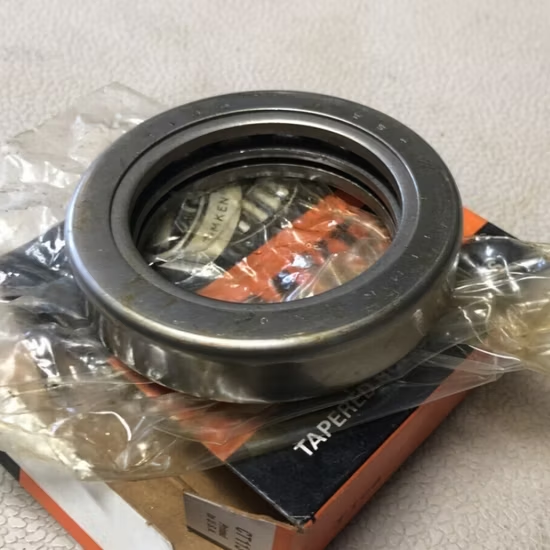
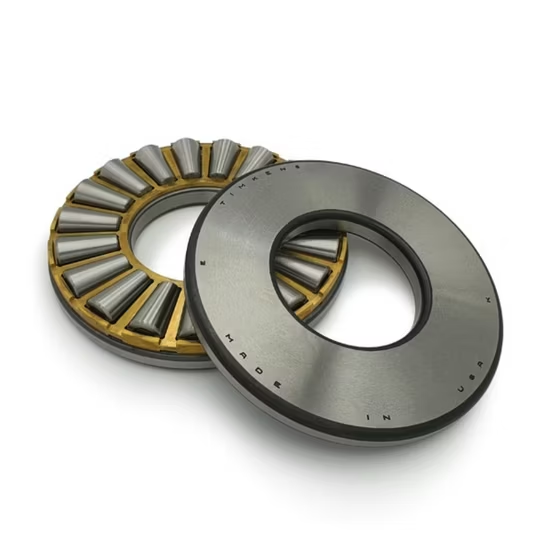
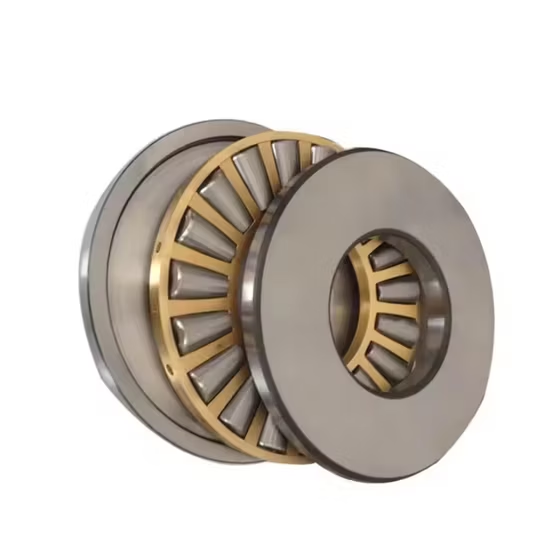
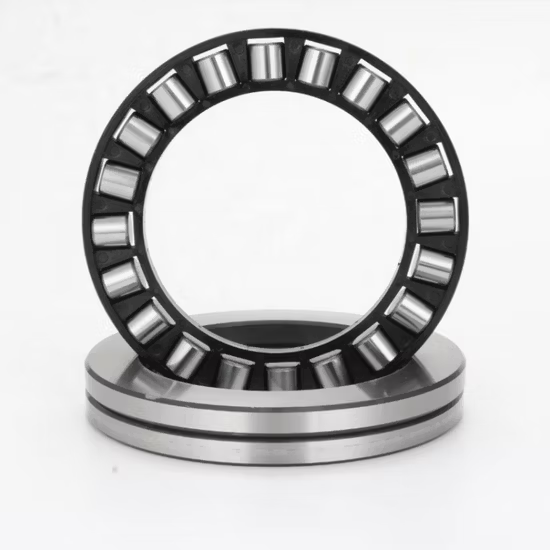
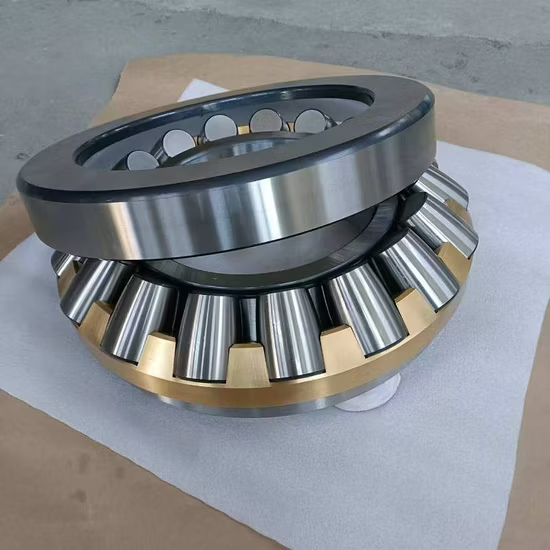
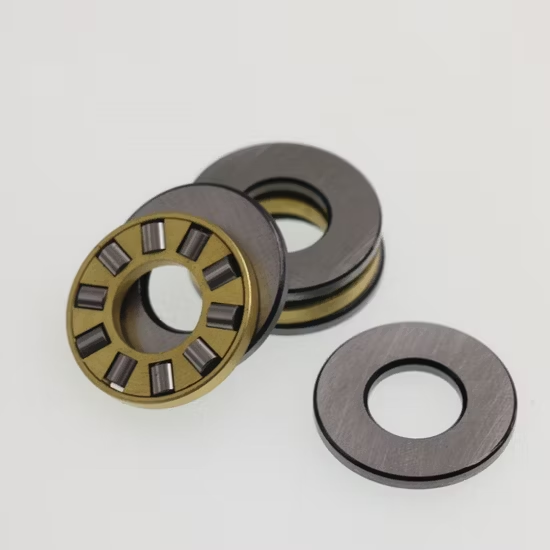
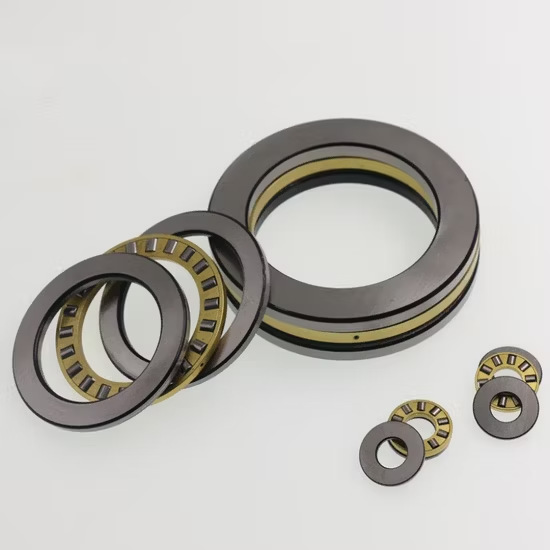
T88-904A1 Thrust Roller Bearing — engineered for automotive clutch release mechanisms and vehicle transmission assemblies. Available in Z1V1, Z2V2, and Z3V3 vibration grades to match diverse NVH requirements across passenger and heavy-duty drivetrains.
Traceable Batch Documentation — Every T88-904A1 unit ships with manufacturer lot records verifying metallurgical and dimensional origins.
| Parameter | Value |
|---|---|
| Designation | T88-904A1 |
| Product Type | Thrust Roller Bearing |
| Bore Diameter (d) | 22.48 mm |
| Outside Diameter (D) | 48.02 mm |
| Width (T) | 15.08 mm |
| Vibration Level | Z1V1, Z2V2, Z3V3 options |
| Application | Vehicle Clutch Release |
Note: The 904A1 and W suffixes denote specific internal design variants that require manufacturer catalog confirmation for exact interchangeability.
| Industry | Typical Applications |
|---|---|
| Automotive Repair | Manual transmission clutch release mechanisms |
| Heavy Vehicle Maintenance | Commercial truck throw-out bearing assemblies |
| General MRO | Agricultural tractor clutch disengagement systems |
Internal geometry mismatches cause catastrophic thermal binding under repeated engagement cycles.
Sourcing replacement throw-out bearings often focuses solely on the outer envelope dimensions, ignoring the critical internal raceway profiles and cage clearances required for clutch actuation. When a base designation matches but the internal design differs, the bearing cannot accommodate the axial thrust and rotational speed spikes during gear shifts. This leads to rapid heat accumulation, cage deformation, and eventual seizure inside the bell housing . Procurement teams must verify that the T88-904A1 thrust roller bearing aligns perfectly with the original equipment manufacturer's internal specifications to prevent premature drivetrain downtime.
The T88-904A1 thrust roller bearing is engineered to manage the intense axial loads generated during clutch disengagement while accommodating the rotational speed differential between the stationary fork and the spinning pressure plate. Selecting the correct vibration grade ensures the bearing operates smoothly within the specific NVH parameters of the vehicle's transmission tunnel, preventing resonant frequencies from accelerating fatigue.
The environment inside a transmission bell housing exposes components to extreme thermal cycling and abrasive clutch dust. The axial load applied by the release fork creates significant friction, demanding a cage design that maintains structural integrity at elevated temperatures without softening or warping. Furthermore, the bearing must resist contamination from worn friction material while maintaining precise alignment on the transmission input shaft sleeve to prevent uneven wear patterns .
The precise 22.48x48.02x15.08mm dimensions ensure a strict interference fit on the transmission shaft while maintaining the correct travel distance for the release fork. The availability of Z1V1 through Z3V3 vibration levels allows MRO managers to specify the exact acoustic and vibration dampening required for the target vehicle class. Heavier commercial vehicles may prioritize load capacity over ultra-low vibration, whereas passenger or light commercial applications demand the Z3V3 grade to eliminate audible drivetrain whine during clutch actuation.
Installing a bearing that meets the basic outer dimensions but lacks the correct internal thrust profile leads to unplanned downtime and catastrophic damage to the transmission input shaft. According to ISO 281 frameworks, improper load distribution across the roller elements drastically reduces the calculated fatigue life, resulting in sudden mechanical seizure. This failure mode not only destroys the bearing but often scores the shaft sleeve and damages the pressure plate diaphragm springs, turning a routine clutch replacement into a major drivetrain rebuild .
We address the high risk of counterfeit soft inner rings by providing full batch traceability for every T88-904A1 thrust roller bearing, ensuring the metallurgy matches the manufacturer's specifications. Our cross-reference process verifies not just the base T88 number, but confirms the exact internal geometry required for high-impact clutch engagement. We supply comprehensive dimensional and running accuracy inspection reports, eliminating the guesswork when sourcing critical transmission spares. Our technical team reviews your application parameters to guarantee the selected vibration grade and internal design will withstand the specific thermal and mechanical stresses of your fleet.
To ensure precise application matching, please provide the specific vehicle make, transmission model, and the original equipment part number for cross-reference verification. Sharing the operational environment, such as heavy-duty stop-and-go traffic or high-altitude thermal conditions, allows our engineering team to recommend the optimal vibration grade and internal clearance. This technical review guarantees the supplied components will integrate flawlessly into your maintenance protocol without requiring secondary modifications.
Q: Why does a matching base number still cause clutch release failure?
A: A matching base designation only confirms the outer envelope dimensions. If the internal cage design, roller profile, or thrust angle differs from the original specification, the bearing cannot properly distribute the axial engagement loads. This misalignment causes localized stress concentrations, leading to rapid thermal degradation and mechanical seizure during routine gear shifting operations.
Q: How do the different vibration grades affect vehicle performance?
A: The Z1V1 to Z3V3 grades dictate the permissible levels of acoustic noise and physical vibration generated during rotation. Selecting a higher grade like Z3V3 ensures smoother operation and eliminates drivetrain whine in sensitive passenger or light commercial vehicles, whereas lower grades are perfectly adequate for heavy machinery where ambient engine noise masks minor bearing acoustics.
Q: What is the correct procedure for verifying component authenticity?
A: Authenticity is verified by scanning the QR code on the packaging using the manufacturer's official mobile application. This digital check confirms the batch number, production facility, and original destination market, effectively filtering out counterfeit products that utilize soft, improperly heat-treated inner rings prone to premature deformation under clutch actuation loads.
Q: Which parameters are needed to validate a cross-reference interchange?
A: Accurate cross-referencing requires the original equipment part number, the specific transmission model, and the exact operating conditions. Providing these details allows our technical team to verify that the replacement bearing matches the required axial load capacity, rotational speed limits, and internal geometry, ensuring reliable performance without voiding the vehicle warranty.
Our 5-step process ensures every order is engineered, validated, and supported for optimal performance.
Technical needs assessment
Custom specifications
Free samples for $50k+
Pre-shipment inspection
On-site & predictive
Our certified engineers respond within 24 hours with detailed technical specifications, pricing, and lead time information.