01
Consultation
Technical needs assessment


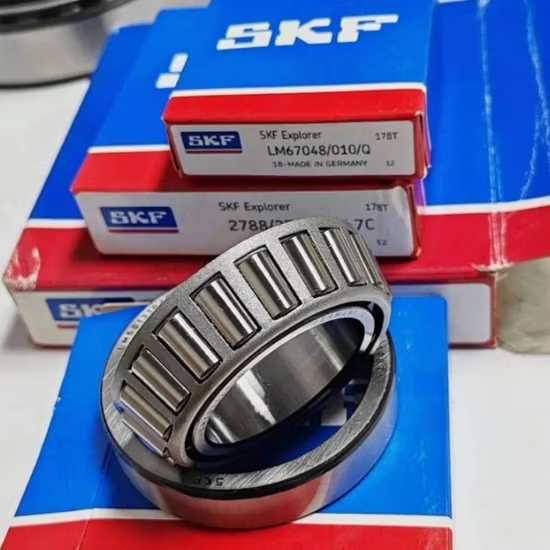
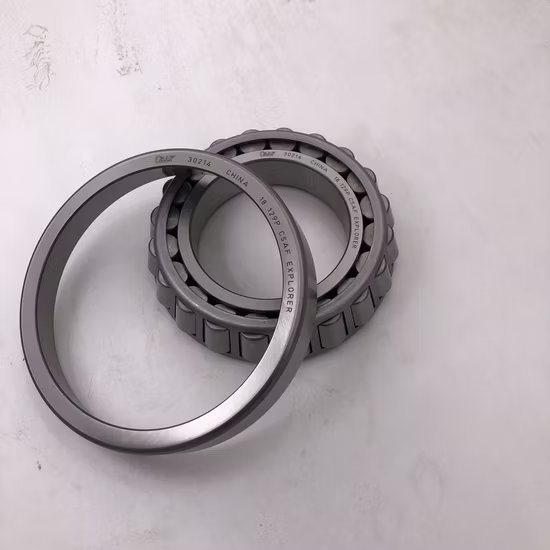
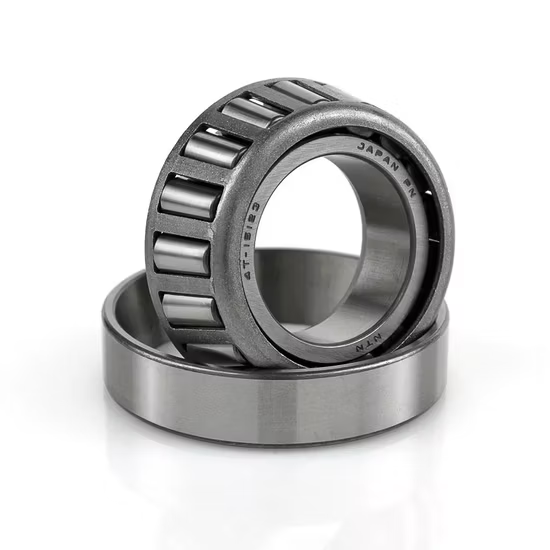
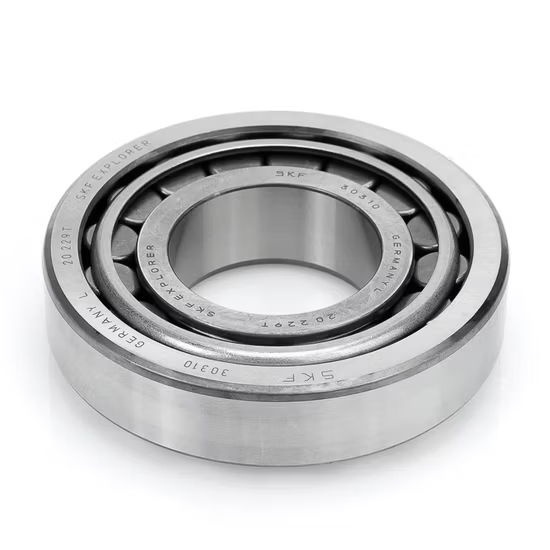
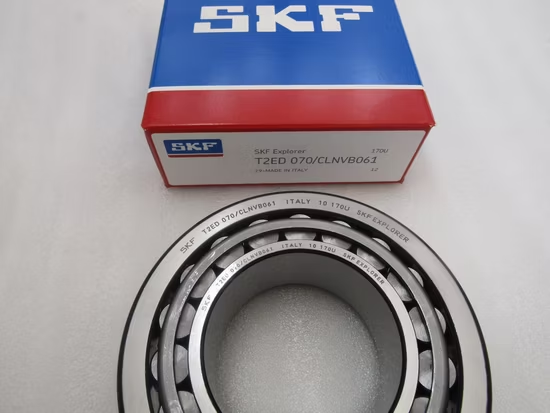
32932 32933 Single Row Tapered Roller Bearing P4 — engineered with GCr15 bearing steel to handle combined radial and axial loads in automotive hubs and industrial gearboxes. The P4 precision class ensures tight running accuracy for demanding applications.
Three-dimensional cross-reference alignment — We verify base designation, P4 precision class, and cage material compatibility to prevent thermal binding in heavy-duty axles.
| Parameter | Value |
|---|---|
| Designation | 32932 32933 |
| Bearing Type | Tapered Roller Bearing |
| Number of Rows | Single Row |
| Precision Class | P4 |
| Material | GCr15 bearing steel |
| Cage Material | Available in nylon, brass, or iron variants |
| Origin | Germany / Japan / Sweden / Malaysia / China |
| Industry | Typical Applications |
|---|---|
| Automotive & Heavy Vehicles | Wheel hubs, truck axles, car accessories |
| Industrial Power Transmission | Industrial gearboxes, manufacturing plant machinery |
| Construction & Materials | Building material shops, heavy machinery equipment |
Matching the base number without verifying internal geometry and cage material leads to rapid thermal failure under heavy axle loads.
In the Dubai auto parts market, I have seen countless 329-series units fail prematurely because buyers only checked the basic designation. A client once installed a standard cage on a heavy-duty truck axle, resulting in catastrophic cage fragmentation at high operating temperatures. . Ensuring exact alignment of precision and internal design prevents these costly field breakdowns.
Selecting the correct configuration requires looking beyond the basic stamping. We review the specific radial and axial load profiles of your truck axles or gearboxes to recommend the optimal cage material and precision grade. This application-based selection ensures the bearing handles combined loads without generating excess friction or heat.
Heavy vehicle axles and industrial gearboxes subject components to intense combined radial and axial loads, often accompanied by significant shock impacts. As operating temperatures rise, thermal expansion alters the internal clearance, making the initial precision class and cage material critical for survival. Proper lubrication intervals and contamination exclusion are equally vital to prevent abrasive wear in dusty construction environments. .
The P4 precision class provides tighter dimensional and running accuracy, which is essential for minimizing vibration in high-speed gearboxes. The GCr15 bearing steel construction delivers the necessary core hardness and wear resistance for demanding automotive applications. Furthermore, the availability of nylon, brass, or iron cage variants allows engineers to match the retainer to specific speed and temperature requirements, ensuring structural integrity under varying operational stresses.
Installing a unit with incorrect internal clearances or an incompatible cage material inevitably leads to unplanned downtime and catastrophic damage to the surrounding housing. When thermal binding occurs due to a mismatch in precision or expansion tolerances, the resulting friction can destroy the axle assembly. . These premature failures void warranties and drastically increase total maintenance costs.
Our cross-brand interchange process strictly matches clearance, cage material, and precision, rather than relying solely on the base designation. This prevents the common error of installing a P0 grade unit where P4 running accuracy is required for spindle or gearbox applications. We provide authorized coverage across major brands, allowing mixed-brand requirements to be fulfilled in a single order. Every batch includes full traceability to the manufacturer, ensuring you receive genuine components that withstand rigorous field conditions.
To ensure optimal performance, please provide your specific radial and axial load parameters, operating speeds, and temperature ranges for a comprehensive L10 life calculation. Supplying the OEM equipment number allows our technical team to perform a precise cross-reference check. This engineering review guarantees that the selected configuration perfectly aligns with your application's unique demands.
Q: How do we verify the authenticity of these bearings upon delivery?
A: You can verify authenticity by scanning the QR codes using the official brand apps, which confirm the batch and lot traceability. We also provide a Certificate of Conformity and dimensional inspection reports that validate the P4 precision class and GCr15 material specifications, ensuring every unit meets strict anti-counterfeit and quality standards.
Q: Why must cage material and precision suffixes be matched during cross-referencing?
A: Base numbers often match while internal designs differ, leading to thermal binding or cage failure if the precision class or retainer is incorrect. Matching these specific parameters ensures the bearing can handle the exact thermal expansion and load profiles of your equipment, preventing premature field breakdowns and costly unplanned downtime.
Q: What are the selection boundaries for nylon, brass, and iron cages?
A: Nylon cages offer low friction and are suitable for moderate temperatures, while brass cages provide superior durability under high vibration and heavy loads. Iron cages are typically used for standard applications where cost and basic structural support are prioritized. Selecting the right variant depends on your specific speed, temperature, and load requirements.
Q: How should these high-precision bearings be mounted in automotive hubs?
A: Proper mounting requires using induction heaters to expand the inner ring evenly without compromising the P4 precision tolerances. It is crucial to avoid direct flame heating or mechanical hammering, which can cause localized overheating or physical damage to the GCr15 steel raceways, ultimately reducing the operational lifespan of the wheel hub assembly.
Our 5-step process ensures every order is engineered, validated, and supported for optimal performance.
Technical needs assessment
Custom specifications
Free samples for $50k+
Pre-shipment inspection
On-site & predictive
Our certified engineers respond within 24 hours with detailed technical specifications, pricing, and lead time information.