01
Consultation
Technical needs assessment


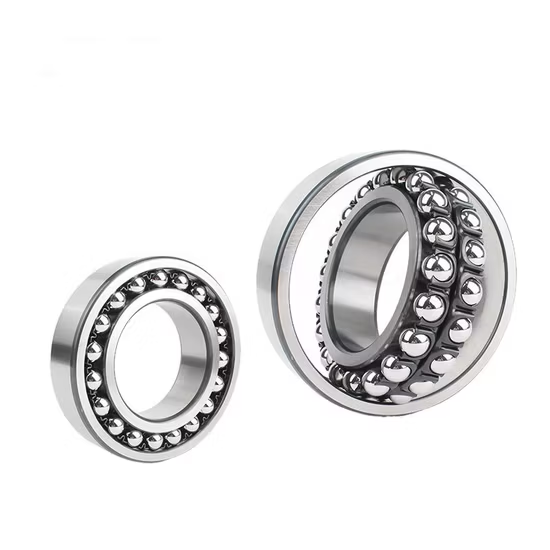
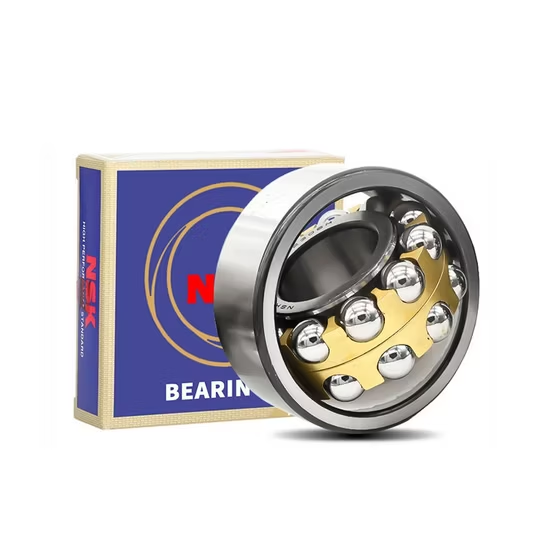


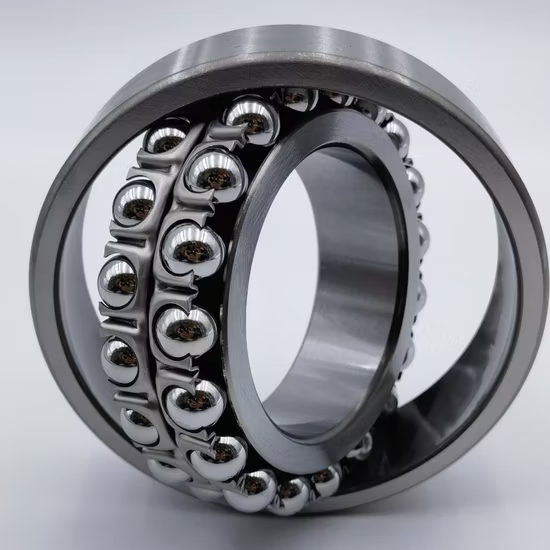
Self-Aligning Ball Bearing for Agricultural Water Pump — bearing steel construction with open, rubber seal, or iron seal options for continuous-duty irrigation environments.
Every cross-reference we confirm aligns clearance class, cage material, and precision grade — not just the base bearing type — to prevent thermal binding in pump service.
Multi-brand authorized sourcing — Procure genuine SKF, FAG, and NSK self-aligning units in a single consolidated order without coordinating multiple vendors.
| Parameter | Value |
|---|---|
| Product Type | Self-Aligning Ball Bearing |
| Operational Features | Low Noise, High Speed, Long Service Life |
| Available Sealing Styles | Open, Rubber Seals, Iron Seals |
| Customization | Available |
| Origin Options | Germany, Japan, Sweden, Malaysia, China |
| HS Code | 848210 |
| Industry | Typical Applications |
|---|---|
| Agricultural Irrigation | Centrifugal water pump main shafts, pivot sprinkler drive motors |
| Material Handling | Conveyor pulley bearings, bucket elevator tail shafts |
| General Machinery | Electric motor rotors, light-duty fan assemblies |
Mismatched internal clearance and inadequate sealing are the primary culprits behind sudden pump shaft lockups in dusty field conditions.
I have seen irrigation pump main shafts burn out in the middle of harvest season because a standard deep groove ball bearing was forced to handle heavy axial loads. When a standard CN clearance is installed where C3 is required for thermal expansion, the bearing binds as the shaft heats up under continuous duty . Choosing the right agricultural water pump self-aligning ball bearing supplier ensures you get application-specific guidance rather than just a base part number match, preventing catastrophic thermal binding in the field.
Agricultural pump shafts often experience misalignment due to uneven loading and structural flexing in muddy field conditions. The spherical outer ring raceway accommodates this shaft deflection, preventing destructive edge loading on the rolling elements. As an agricultural water pump self-aligning ball bearing supplier, we review your specific misalignment angles to recommend the optimal internal geometry.
Water pumps in agricultural settings operate in highly contaminated environments where fine particulate matter easily breaches standard seals. Selecting between rubber contact seals for maximum dust exclusion or iron shields for higher speed capability requires balancing friction heat against contamination risk. Furthermore, continuous duty cycles generate significant internal heat, demanding adequate internal clearance to prevent the rolling elements from skidding . Proper lubrication intervals must also be established based on whether an open or sealed configuration is deployed.
Selecting the correct configuration depends heavily on the specific environmental exposure of the pump. Units are available in standard bearing steel for general applications, or stainless steel variants for pumps handling corrosive fertilizers or saline water. Open designs allow for field relubrication in heavy-duty setups, while rubber-sealed options provide maintenance-free operation for inaccessible motor assemblies. Understanding these material and sealing options ensures the selected unit survives the specific chemical and physical demands of the agricultural site.
Installing a rigid bearing in a flexible pump housing inevitably leads to premature fatigue and unplanned downtime. Misalignment forces the rolling elements to skid, rapidly degrading the lubricant and causing catastrophic damage to the raceways. According to ISO 15243 frameworks, surface distress from inadequate clearance or wrong seal selection accounts for a significant share of early failures . These failures void equipment warranties and halt critical irrigation schedules during peak dry seasons.
We verify that the selected self-aligning unit matches the exact axial load and deflection requirements of your specific pump model, avoiding the common error of substituting deep groove balls. Our cross-referencing process checks internal clearance and seal types, not just the basic outer dimensions, ensuring thermal expansion is properly accommodated. Every shipment includes batch traceability to the manufacturer, eliminating the risk of counterfeit rings with soft inner cores. We also provide application-based selection reviews covering operating temperature and mounting conditions to guarantee field reliability.
To ensure precise application matching, please provide the specific pump model, operating speed, and expected shaft deflection angles. Detailing the environmental conditions, such as dust concentration or exposure to corrosive agricultural chemicals, allows our engineering team to recommend the optimal sealing and material configuration. This technical review guarantees that the selected self-aligning unit delivers maximum service life in your specific irrigation setup.
Q: How do I determine the exact bearing designation for my water pump?
A: Provide the pump's OEM equipment number, shaft diameter, and operating parameters including speed and load. Our engineering team will calculate the required internal clearance and select the appropriate seal type to match your specific field conditions, ensuring a precise cross-reference rather than a generic substitution.
Q: What are common failure modes for self-aligning bearings in agricultural pumps?
A: Premature failures typically result from thermal binding due to incorrect internal clearance or seal degradation from fine dust ingress. When a standard clearance is used instead of a C3 equivalent, heat expansion eliminates the internal gap, causing the bearing to seize and destroy the pump shaft.
Q: How do I choose between rubber seals and iron shields for my application?
A: Rubber contact seals offer superior protection against heavy agricultural dust and moisture but generate slightly more friction heat. Iron shields provide lower friction for higher-speed electric motor applications but offer less exclusion for fine particulates. The choice depends on your specific contamination level and speed requirements.
Q: How can I source authentic replacements if the original OEM bearing is obsolete?
A: By sharing the original equipment parameters and dimensional constraints, we can identify an authorized cross-reference from our global brand portfolio. We ensure the replacement matches the exact load capacity, clearance class, and sealing configuration of the discontinued part, backed by full manufacturer traceability.
Q: What are the maintenance requirements for sealed versus open bearings in pumps?
A: Sealed units are pre-lubricated and maintenance-free, designed to last the service life of the pump without relubrication. Open bearings require periodic regreasing based on the pump's operating hours and temperature; we provide specific relubrication intervals and grease compatibility guidelines during the technical selection process.
Our 5-step process ensures every order is engineered, validated, and supported for optimal performance.
Technical needs assessment
Custom specifications
Free samples for $50k+
Pre-shipment inspection
On-site & predictive
Our certified engineers respond within 24 hours with detailed technical specifications, pricing, and lead time information.