01
Consultation
Technical needs assessment

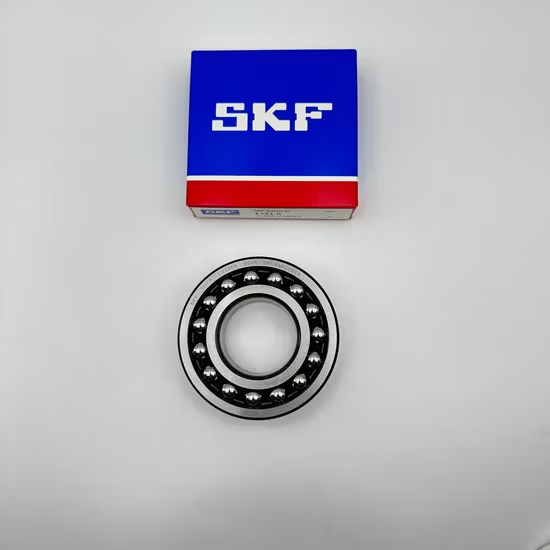


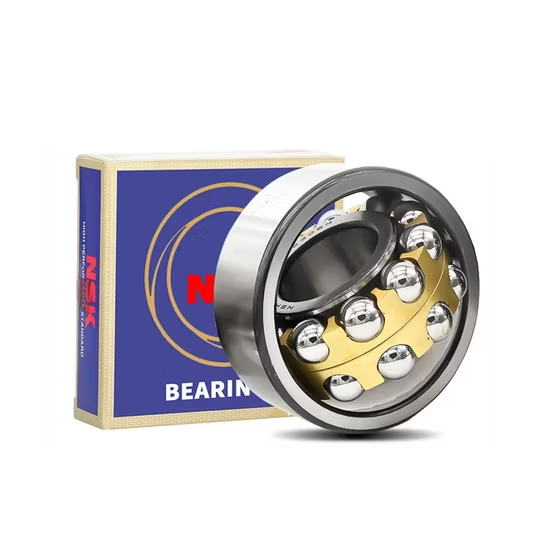
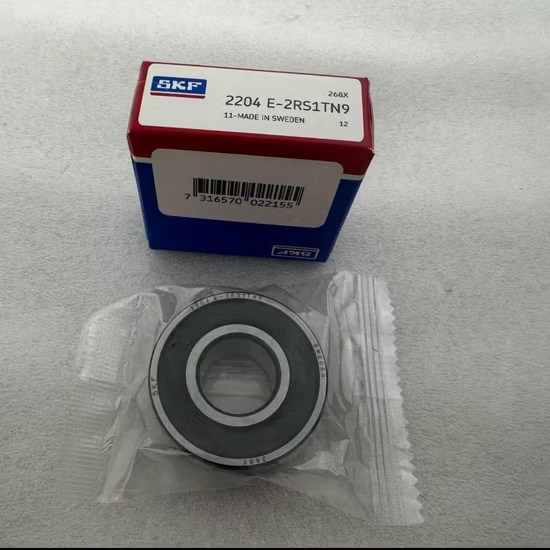
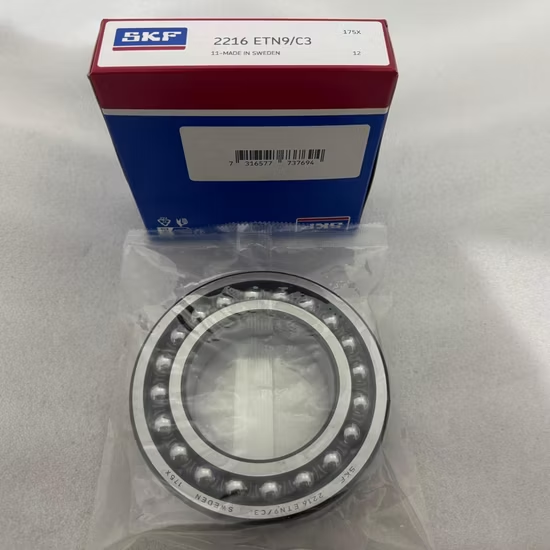
1305 1306 1307 1308 1309 1310 1311 1312 1313 Self-Aligning Ball Bearing — compensates for shaft misalignment in electric motors and gearboxes.
Multi-Origin Sourcing Flexibility — Fulfilling mixed-brand requirements for the 1305 1306 1307 1308 1309 1310 1311 1312 1313 self-aligning ball bearing series from a single authorized inventory pool eliminates multi-vendor coordination delays.
| Parameter | Value |
|---|---|
| Designation | 1305 1306 1307 1308 1309 1310 1311 1312 1313 |
| Bearing Type | Self-Aligning Ball Bearing |
| Seal or Shield Type | Open, Rubber Seals, Iron Seals |
| Origin | Germany, Japan, Sweden, Malaysia, China |
| HS Code | 848210 |
| Industry | Typical Applications |
|---|---|
| Electric Motors | Rotor shaft support where housing deflection occurs during startup |
| Industrial Gearboxes | Intermediate shafts subject to thermal expansion and misalignment |
| Agricultural Machinery | Conveyor drive shafts exposed to dust and structural flexing |
| Material Handling | Belt idler rollers requiring compensation for frame distortion |
Matching the base designation while ignoring internal clearance and seal compatibility guarantees premature cage destruction in vibrating equipment.
I have seen countless 1308 units seize on site in Dubai simply because a standard clearance was installed where thermal expansion demanded a C3 equivalent. When a 1305 1306 1307 1308 1309 1310 1311 1312 1313 self-aligning ball bearing operates in electric motors or gearboxes, the shaft deflects and temperatures rise. If the cross-reference only checks the 13xx base number, the internal geometry might bind under load. This leads to rapid thermal runaway, destroying the cage and forcing unplanned downtime .
The inherent design of the 1305 1306 1307 1308 1309 1310 1311 1312 1313 self-aligning ball bearing allows the inner ring and ball assembly to swivel within the outer ring, compensating for angular misalignment. This capability is critical for agricultural machinery and material handling systems where structural frames flex under dynamic loads. Our technical review ensures the selected variant matches the specific misalignment angle and load profile of your equipment.
Selecting the correct seal type involves balancing friction heat against particle ingress. Open variants require robust external lubrication systems but run cooler at higher speeds. Rubber seals provide excellent protection against fine dust in textile machines but generate contact friction that limits maximum RPM. Iron shields offer a middle ground, keeping out larger debris in gearboxes without the friction penalty of contact seals, though they cannot block fine moisture .
The 13xx series denotes a wide inner ring self-aligning ball bearing designed for moderate radial loads and light axial loads. Because the identifier covers the base series, configuration relies heavily on selecting the correct seal or shield type from the available open, rubber sealed, or iron shielded options. The outer ring features a sphered raceway, which is the geometric foundation for its self-aligning capability. Procurement teams must verify that the chosen seal variant aligns with the operating temperature and contamination level of the specific application, as an incorrect seal choice will either overheat the grease or allow abrasive particles to pit the raceways.
Installing a bearing that matches the base 13xx number but lacks the required internal clearance or cage material specification leads to catastrophic damage under thermal stress. According to ISO 281 frameworks, operating a bearing with insufficient clearance drastically reduces its calculated fatigue life. This results in premature failure, voided equipment warranties, and expensive secondary damage to shafts and housings .
We stock the complete 1305 to 1313 range across multiple origins, allowing you to consolidate mixed-brand requirements into a single shipment. Every unit is verified for exact cross-reference alignment, ensuring the seal type and internal geometry match your OEM specifications, not just the base number. Our application-based selection review evaluates your specific load, speed, and temperature conditions to prevent the costly misapplications commonly seen in the field. We provide full batch traceability to the manufacturer, eliminating the risk of counterfeit rings with soft inner races that plague the MRO market.
To ensure the selected 1305 1306 1307 1308 1309 1310 1311 1312 1313 self-aligning ball bearing perfectly matches your application, provide your radial and axial load profiles, operating speeds, and expected shaft misalignment angles. Supplying the OEM equipment number allows our engineering team to perform a precise cross-reference check, verifying that the internal clearance and seal configuration meet the original design intent and preventing costly field failures.
Q: How do I choose between open, rubber sealed, and iron shielded variants?
A: The choice depends on your contamination level and speed requirements. Open bearings suit high-speed applications with external lubrication. Rubber seals offer maximum dust protection for agricultural use but limit speed due to friction. Iron shields provide non-contact debris exclusion for gearboxes, balancing speed and protection without sealing out fine moisture.
Q: Why must clearance class be matched during cross-referencing, not just the base 13xx number?
A: Matching only the base number ignores thermal expansion requirements. If an application generates significant heat, a standard clearance bearing will bind and seize as the inner ring expands. Verifying the correct clearance class ensures the internal geometry accommodates operating temperatures, preventing premature cage failure and unplanned downtime.
Q: What are common failure modes when self-aligning bearings face high misalignment?
A: While the 13xx series compensates for angular misalignment, exceeding its design limits causes the balls to ride on the edge of the inner ring raceway. This creates localized stress concentrations, leading to edge loading, rapid lubricant breakdown, and eventual spalling or cage fracture as documented in standard failure mode classifications.
Q: How can I verify the authenticity of multi-brand bearings using traceability tools?
A: Genuine authorized inventory includes batch and lot traceability documentation. You can scan the QR codes on the packaging using the official brand applications to verify the manufacturing origin and authenticity. This process confirms the bearing is not a counterfeit with soft inner rings or cloned packaging.
Q: What mounting practices prevent damage to the seals and cages of the 13xx series?
A: Never apply mounting forces through the rolling elements or cages. For interference fits on the shaft, use induction heating for the inner ring rather than mechanical pressing, which can damage the sphered outer raceway or deform the cage. Ensure press-fit tools only contact the inner ring face to protect rubber seals and iron shields.
Our 5-step process ensures every order is engineered, validated, and supported for optimal performance.
Technical needs assessment
Custom specifications
Free samples for $50k+
Pre-shipment inspection
On-site & predictive
Our certified engineers respond within 24 hours with detailed technical specifications, pricing, and lead time information.