01
Consultation
Technical needs assessment

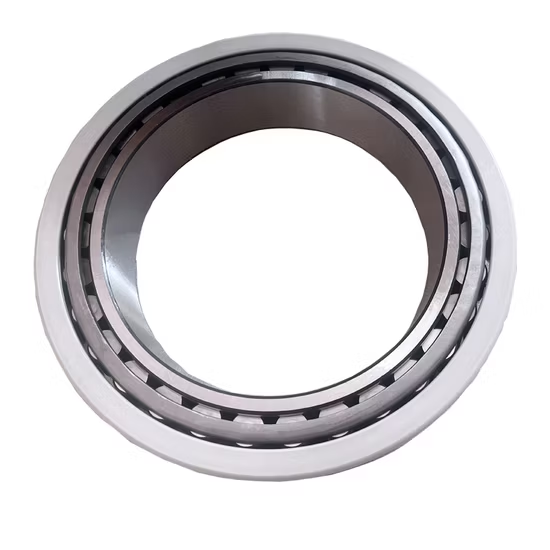
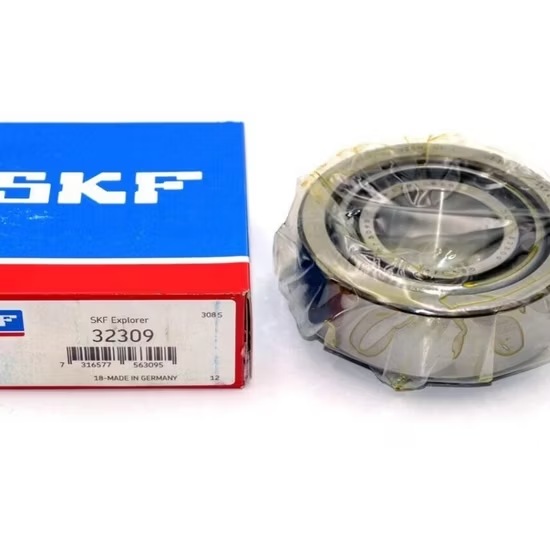
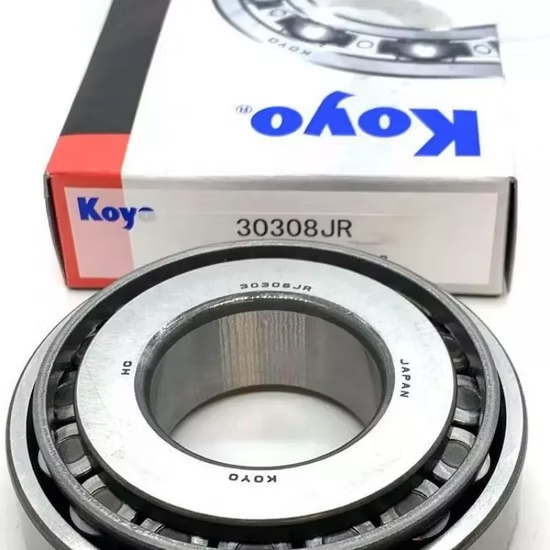
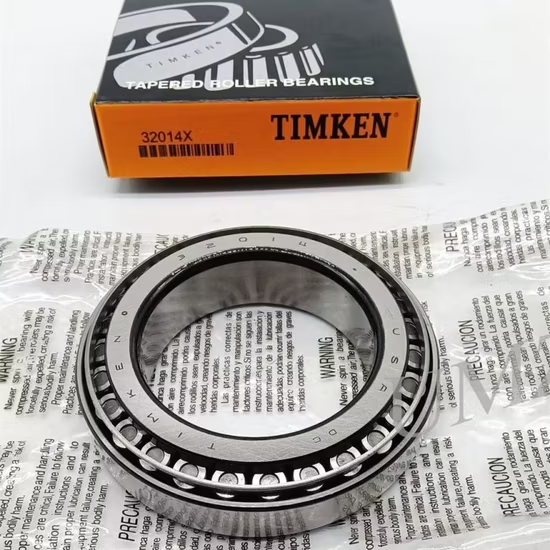
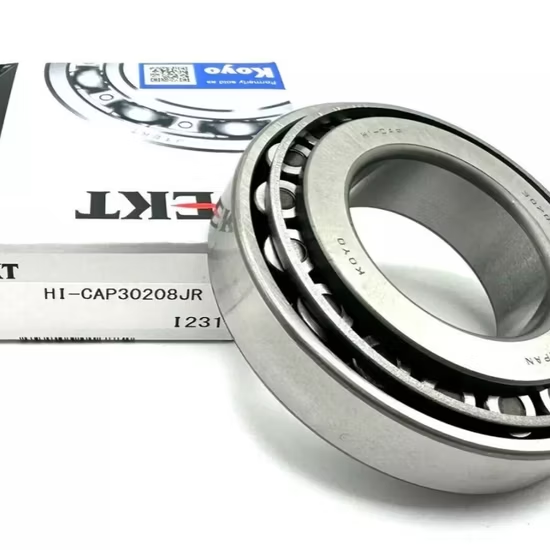
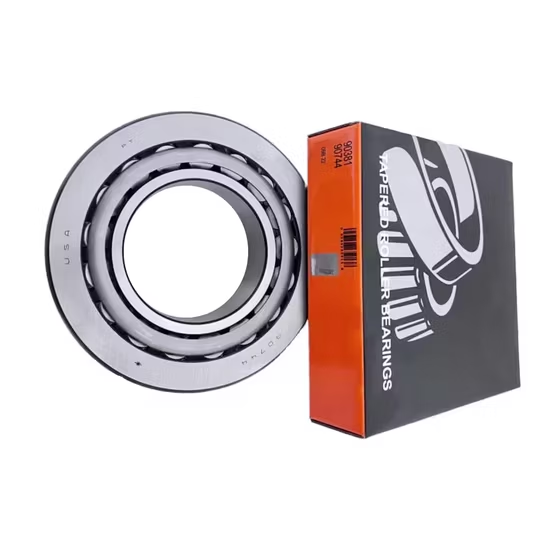
32304 32305 Tapered Roller Bearing P4 — engineered with GCr15 bearing steel for optimal fatigue resistance in industrial gearboxes.
Factory Batch Traceability — Every 32304 and 32305 unit ships with verifiable lot documentation linking back to the original production run, eliminating the risk of installing untraceable counterfeits in critical drivetrains.
| Parameter | Value |
|---|---|
| Designation | 32304 32305 |
| Bearing Type | Tapered Roller Bearing |
| Number of Rows | Single Row |
| Precision Class | P4 |
| Material | GCr15 Bearing Steel |
| Cage Material Options | Nylon, Brass, or Iron |
| Origin Options | Germany, Japan, Sweden, Malaysia, or China |
| HS Code | 8482500090 |
| Industry | Typical Applications |
|---|---|
| Industrial Power Transmission | Heavy-duty industrial gearbox shaft supports and reduction gear assemblies |
| Automotive & Heavy Vehicles | Commercial truck axle differentials and wheel hub bearing arrangements |
| Marine Engineering | Marine drive propulsion shafts and stern tube support structures |
| General Manufacturing | Material handling conveyor drive rollers and general machinery gearboxes |
Matching the base designation is never enough to prevent thermal binding in high-load gearboxes.
Procurement teams frequently source parts where the base number aligns perfectly, yet the internal clearance or cage material is entirely wrong for the operating environment. We see this constantly with taper roller bearings installed in gearboxes; a standard clearance part is forced into an application demanding thermal expansion compensation, leading to rapid heat buildup and catastrophic cage failure under continuous heavy loads . Sourcing a genuine 32304 32305 tapered roller bearing requires looking far beyond the stamped numbers on the outer ring.
Gearbox shafts demand exacting rotational accuracy to maintain proper gear meshing under fluctuating torque. The P4 precision rating of these components ensures tighter dimensional and running accuracy, directly reducing vibration at the gear teeth. By securing a verified 32304 32305 tapered roller bearing, maintenance teams prevent the micro-misalignments that typically accelerate gear wear and compromise overall transmission efficiency in demanding industrial setups.
Tapered roller designs excel at managing simultaneous radial and axial forces, which are inherent in helical and bevel gear arrangements. However, the friction generated by these combined loads creates significant internal heat, making clearance selection absolutely critical. If the thermal expansion of the shaft and housing is not properly accommodated by the correct internal clearance, the rollers will skid rather than roll. Proper lubrication intervals and selecting the right cage material further dictate how well the assembly dissipates this heat and resists contamination from gear wear particles .
The single-row taper structure is fundamentally engineered to handle combined loads in one direction, typically requiring a paired arrangement to locate the shaft axially. The GCr15 bearing steel construction provides the necessary core hardness and fatigue resistance to withstand the shock loads common in industrial gearboxes. Furthermore, the availability of nylon, brass, or iron cage options allows engineers to match the cage material to specific speed and temperature profiles. Brass cages offer superior durability under high vibration and heavy loads, while nylon variants provide quieter operation and lower friction at moderate temperatures. The P4 precision class ensures the dimensional tolerances are tight enough to maintain optimal load distribution across all rollers, preventing edge loading that destroys standard precision parts.
Ignoring internal design variations when replacing taper roller bearings inevitably leads to unplanned downtime and severe secondary damage. When a part with incorrect internal geometry or inadequate precision is pressed into a gearbox, it causes premature failure of the adjacent seals and gears. This cascade of damage often results in catastrophic damage to the entire transmission housing, far exceeding the cost of the initial component. Adhering to failure analysis frameworks shows that a significant share of these premature failures stems directly from specification mismatches rather than material defects .
Our cross-reference process goes far beyond matching base numbers; we verify that the clearance, cage material, and precision suffixes align exactly with your OEM equipment requirements. For designations like 32304 and 32305, where internal design variations dictate survival in gearboxes, we ensure the selected part handles the specific thermal and load profile. We provide authorized coverage across major international brands, allowing you to consolidate mixed-brand gearbox spares into a single, fully traceable order. Every batch undergoes strict QR verification through official brand applications to eliminate counterfeits with soft inner rings. Additionally, our application-based selection review catches potential clearance mismatches before the parts ever reach your maintenance floor.
To ensure accurate selection and cross-referencing, please share your specific operating parameters, including radial and axial loads, operating speeds, and expected temperature ranges. Providing the exact OEM equipment number or gearbox model allows our engineering team to verify the required internal clearance and cage material. This technical review ensures the proposed L10 life calculation matches your actual drivetrain conditions before any purchase order is finalized.
Q: How can I verify the authenticity of these taper roller bearings upon delivery?
A: Every unit we supply includes batch traceability documentation and QR codes that can be scanned using the manufacturer's official mobile application. This direct verification confirms the part originated from authorized production facilities, effectively eliminating the risk of installing counterfeits with soft inner rings that frequently cause premature gearbox seizures.
Q: Why is cross-referencing more than just matching the base designation?
A: Matching only the base number often overlooks critical internal differences like clearance class or cage material. Installing a standard clearance part in a high-temperature gearbox causes thermal binding. We align the base designation, precision class, and internal geometry to ensure the replacement part survives the exact thermal and mechanical stresses of your specific application.
Q: What are the practical differences between P4 and standard P0 precision classes?
A: P4 precision offers significantly tighter dimensional and running accuracy compared to standard P0 grades. In gearbox applications, this enhanced precision maintains optimal gear meshing, reduces operational vibration, and ensures even load distribution across the rollers. This prevents the edge-loading and premature fatigue that typically plague standard precision bearings in demanding drivetrain environments.
Q: How do I choose the correct cage material for my gearbox application?
A: Cage selection depends heavily on your operating temperature and vibration levels. Brass cages provide exceptional durability and heat dissipation for heavy-load, high-vibration environments. Nylon cages offer lower friction and quieter operation for moderate speeds, while iron cages suit specific high-temperature constraints. We evaluate your exact gearbox conditions to recommend the optimal cage material.
Our 5-step process ensures every order is engineered, validated, and supported for optimal performance.
Technical needs assessment
Custom specifications
Free samples for $50k+
Pre-shipment inspection
On-site & predictive
Our certified engineers respond within 24 hours with detailed technical specifications, pricing, and lead time information.


