01
Consultation
Technical needs assessment


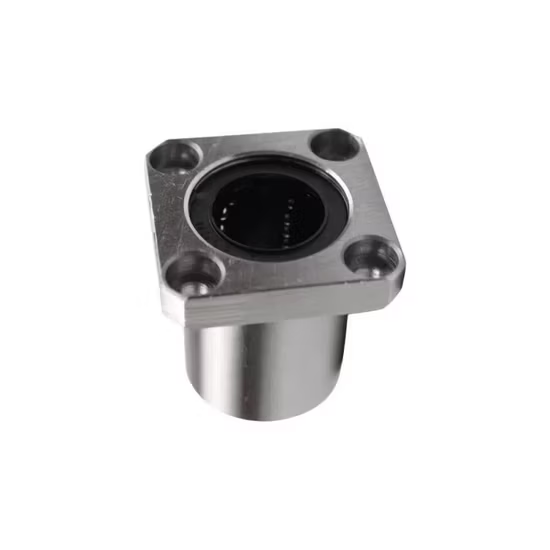
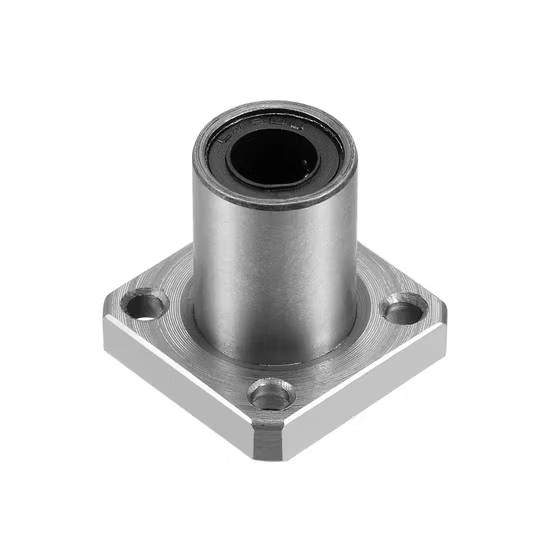
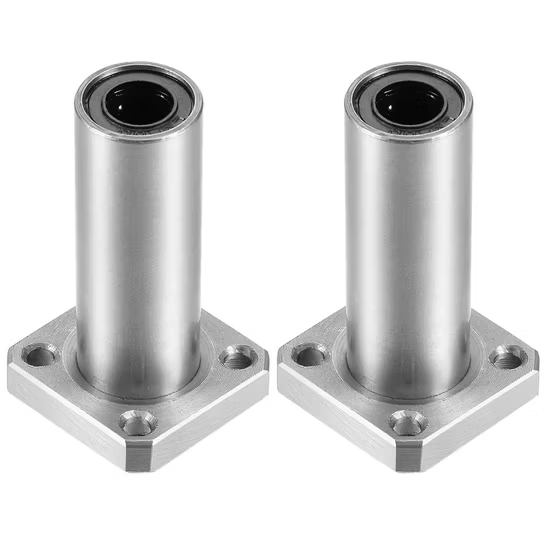
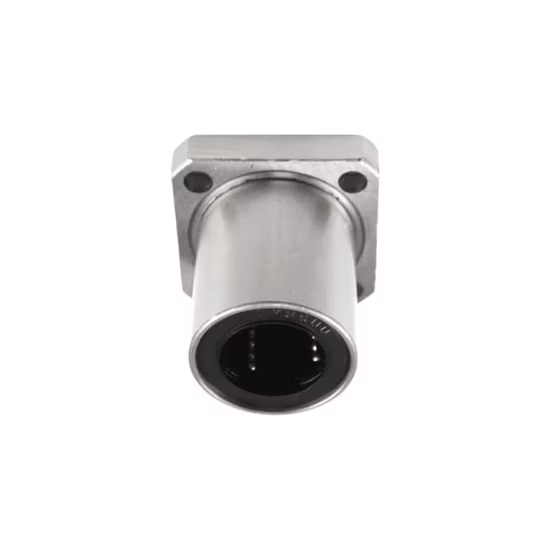
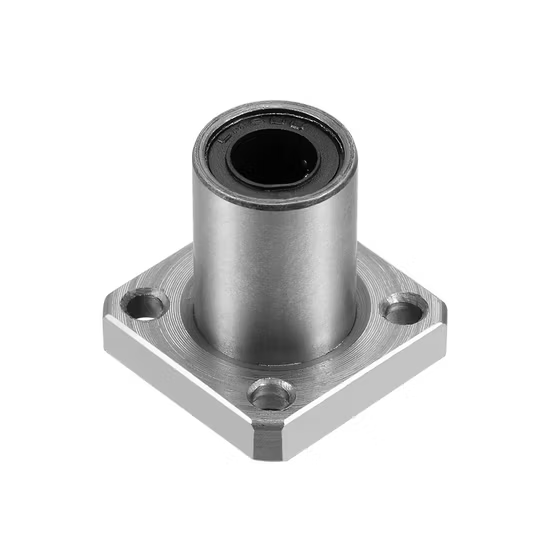
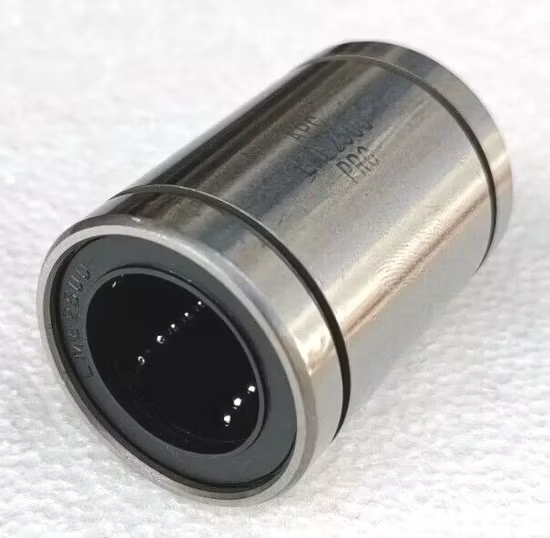
Lmk35uu Linear Bearing 35 mm Bore — circular flange configuration designed for automated equipment.
Cross-Reference Alignment — We verify flange geometry, seal suffixes, and cage materials before confirming any interchange for the Lmk35uu linear bearing.
| Parameter | Value |
|---|---|
| Designation | Lmk35uu |
| Product Type | Linear Bearing |
| Series | LM |
| Flange Shape | Circular |
| Nominal Bore Diameter (d) | 35 mm |
| Cage Material | Nylon |
| Seal Type | Double-sided contact seals (uu) |
| Precision Class | P0, P6, P5, P4, P2 |
| Material | Bearing Steel |
| Feature | High Speed, Low Voice |
| Industry | Typical Applications |
|---|---|
| CNC Machine Tools | High-speed spindle traverse axes and automated tool changer mechanisms |
| Robotics | Articulated arm linear actuators and precision pick-and-place gantries |
| Material Handling | Automated guided vehicle steering columns and conveyor diverters |
Matching the bore diameter without verifying the cage material and seal configuration leads to catastrophic thermal binding in high-speed modules.
Procurement teams often approve cross-references based solely on the 35 mm bore and circular flange, completely overlooking the internal polymer retainer and double-sided contact seals. In high-speed automated assembly lines, this oversight causes the nylon cage to overheat, deform, and eventually shatter, jamming the entire linear axis. I have traced numerous module lockups back to this exact misalignment, where a generic open-type bearing was installed in a dusty environment, destroying the recirculating ball tracks within weeks .
The Lmk35uu linear bearing integrates a circular flange for rigid mounting and a nylon cage to minimize friction noise during rapid reciprocation. By strictly aligning the double-sided contact seals with the application's contamination profile, we ensure the internal lubrication remains intact. Our technical review process prevents the installation of mismatched variants that would otherwise compromise the high-speed stability of your CNC traverse axes.
Linear axes in robotics and packaging machinery endure continuous acceleration and deceleration, generating significant inertial loads on the bearing blocks. The double-sided contact seals are critical here; they prevent abrasive packaging dust or metal swarf from penetrating the ball retainer, which would rapidly degrade the running accuracy. Furthermore, the friction generated by these contact seals must be balanced against the thermal limits of the nylon cage, requiring precise alignment of the operating speed with the selected precision class .
The designation breaks down into specific functional attributes: 'LM' denotes the standard linear motion series, while 'K' specifies the circular flange type, providing a solid mounting baseline for gantry plates. The '35' indicates the nominal bore diameter, and the 'uu' suffix confirms the presence of double-sided contact seals. Selecting the correct precision class—from P0 for general material handling up to P2 for ultra-precise machine tool spindles—dictates the dimensional tolerances of the outer sleeve and the straightness of the ball grooves, directly influencing the smoothness of the linear travel.
Substituting a flanged linear bearing with an incorrect seal type or cage material results in unplanned downtime and premature failure of the entire linear module. When the internal polymer retainer fails due to thermal overload, the recirculating balls can score the hardened shaft, causing catastrophic damage that extends far beyond the bearing itself. According to industry failure analysis frameworks, improper selection of sealing and retainer materials accounts for a significant share of early-life linear motion breakdowns .
We do not just ship the base designation; we verify that the circular flange dimensions and the 'uu' seal suffix perfectly match your OEM equipment requirements. Our batch traceability ensures that every nylon cage and bearing steel sleeve can be tracked back to the manufacturer's production facilities. When you need to cross-reference to equivalents like the Lmk40uu or Lmk50uu for larger axes, we rigorously align the clearance and precision grades, preventing the thermal binding that plagues粗糙 replacements.
To ensure the selected precision class and seal configuration match your specific application, please provide the radial and axial load profiles, maximum traverse speeds, and operating temperatures. If you are replacing an existing component, sharing the OEM equipment number allows our engineering team to perform a comprehensive cross-reference verification. This data enables us to confirm the L10 life and recommend the optimal mounting tolerances for your linear axes.
Q: How do we ensure the seal and cage suffixes align during cross-referencing?
A: We do not rely on basic bore dimensions alone. Our technical team cross-checks the 'uu' double-sided seal configuration and the nylon cage material against your specific contamination and speed requirements. This ensures the replacement unit maintains the exact thermal and friction characteristics of the original design, preventing premature cage failure in high-speed applications.
Q: How should we select between P0 and P2 precision classes for automated equipment?
A: The choice depends on the positional accuracy required by your linear axis. P0 is generally sufficient for standard material handling and packaging conveyors where minor deviations are acceptable. However, for CNC machine tool spindles or high-precision robotics requiring tight straightness and minimal running noise, upgrading to P4 or P2 precision ensures the sleeve tolerances support ultra-smooth reciprocation.
Q: What are the performance boundaries of the nylon cage in high-speed linear motion?
A: The polymer retainer excels at reducing friction and operating noise during rapid reciprocation, making it ideal for most automated assembly lines. However, if the application involves extreme continuous speeds or elevated ambient temperatures that exceed the thermal limits of standard polymers, the cage may deform. In such edge cases, we evaluate the thermal equilibrium to determine if an alternative retainer material is necessary.
Q: How can we verify the batch traceability of the received linear bearings?
A: Every shipment includes batch documentation that traces the manufacturing lot. Additionally, you can scan the QR codes on the packaging using the brand's official mobile application. This digital verification confirms the authenticity of the bearing steel and the exact production date, protecting your facility from counterfeit components with substandard internal tracks.
Q: What is the lubrication protocol for the double-sided sealed (uu) variants?
A: The 'uu' suffix indicates that the bearing is pre-lubricated at the factory and sealed to retain the grease while blocking external contaminants. These units are designed to be maintenance-free under normal operating conditions. Attempting to force additional grease into the sealed housing can over-pressurize the contact seals, leading to seal lip distortion and increased friction during high-speed traverse.
Our 5-step process ensures every order is engineered, validated, and supported for optimal performance.
Technical needs assessment
Custom specifications
Free samples for $50k+
Pre-shipment inspection
On-site & predictive
Our certified engineers respond within 24 hours with detailed technical specifications, pricing, and lead time information.