01
Consultation
Technical needs assessment

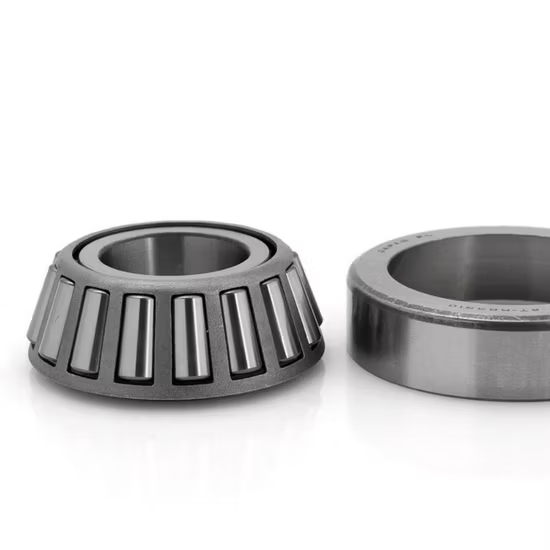

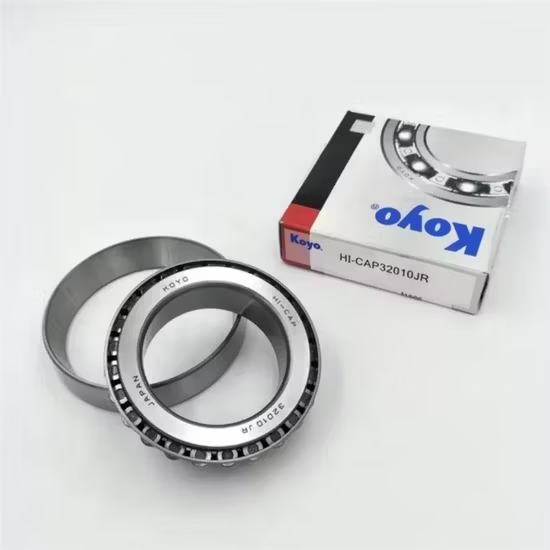
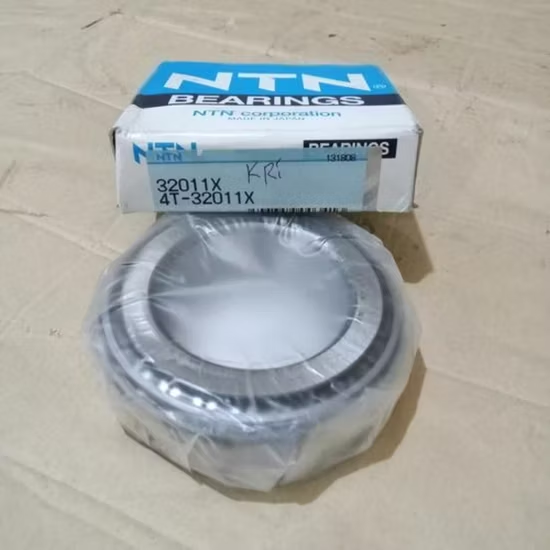
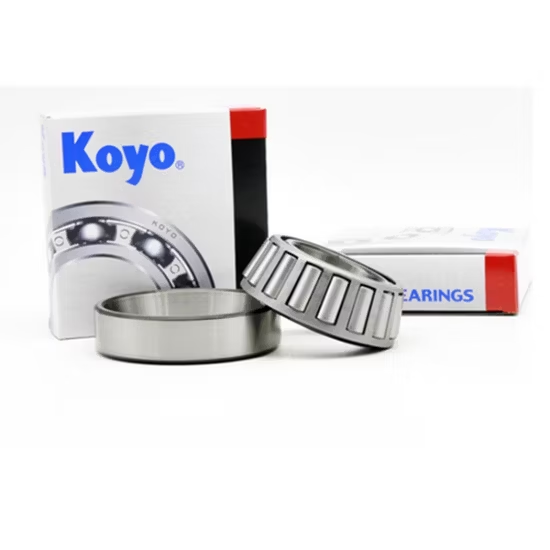
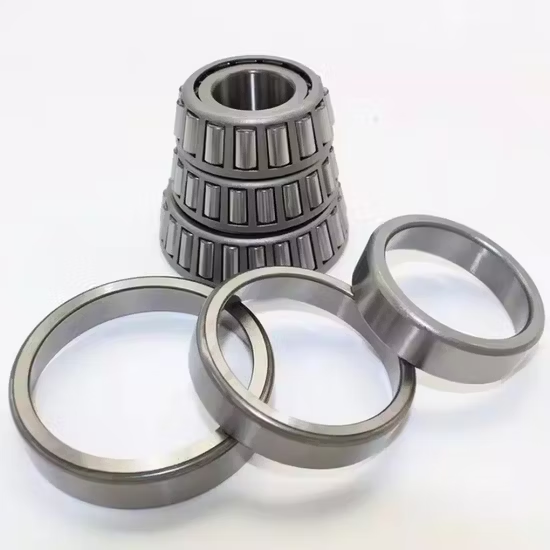
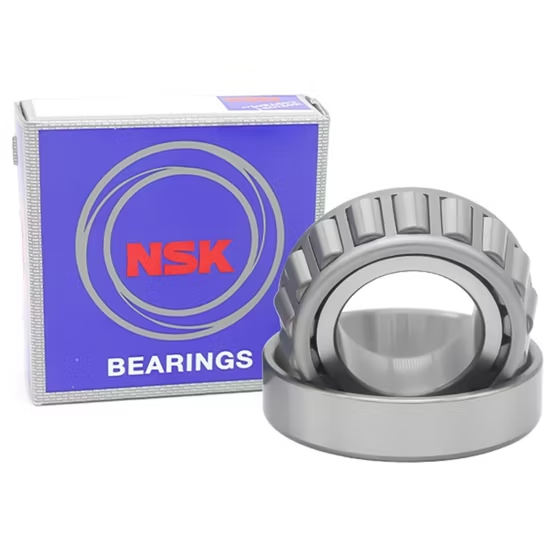
30200 30201 Tapered Roller Bearing P4 — Single row design handles combined radial and unidirectional axial loads in automotive hubs.
Full Cross-Brand Alignment — we verify clearance, cage material, and precision suffixes across all referenced part numbers to prevent thermal binding in heavy-duty automotive hubs.
| Parameter | Value |
|---|---|
| Designation | 30200 30201 |
| Product Type | Tapered Roller Bearing |
| Number of Rows | Single Row |
| Precision Class | P4 |
| Material | Gcr15 |
| Cage Material Options | Nylon, Brass, or Iron |
| Origin | Shanghai |
| Industry | Typical Applications |
|---|---|
| Automotive and Heavy Vehicle Repair | Wheel hub assemblies, differential pinion shafts, and steering knuckle pivot points |
| Industrial Gearboxes | Helical and bevel gear reduction units requiring combined load support |
| General MRO | Conveyor drive pulleys and material handling roller shafts |
Matching the base designation without verifying internal geometry and tolerance stacks guarantees premature failure under heavy radial loads.
Procurement engineers often source replacement bearings by matching the basic numeric sequence, only to discover that the internal contact angle or cage design cannot handle the specific thrust loads of the application. In harsh operating environments, ignoring these subtle engineering differences leads to rapid heat generation and catastrophic cage failure . A standard replacement might fit the bore and outside diameter perfectly, yet fail to maintain the necessary oil film thickness at elevated operating temperatures.
The 30200 30201 tapered roller bearing is engineered to manage the complex combined loads found in automotive wheel hubs and industrial gearboxes. By utilizing a P4 precision class, this single-row configuration ensures tighter dimensional control, which is vital for maintaining correct gear mesh and minimizing vibration in high-speed differential assemblies. Our technical team reviews your specific load vectors to ensure the selected cross-reference aligns perfectly with the original equipment manufacturer's performance requirements.
Automotive wheel hubs endure intense friction and fluctuating ambient temperatures, which directly impact internal clearance and lubricant viscosity. If the initial mounting preload is too tight, thermal expansion during continuous highway driving will eliminate the operational clearance, causing the rollers to skid and generate excessive heat. Proper adjustment of the shaft nut and the use of high-temperature synthetic greases are critical to preventing this thermal binding . The choice between nylon, brass, or iron cages must also account for the specific operating temperature and shock load profile of the vehicle.
Achieving P4 precision requires stringent control over the inner and outer ring raceway profiles, ensuring that the rollers maintain optimal line contact under heavy loads. The Gcr15 high-carbon chromium bearing steel provides the necessary core toughness and surface hardness to resist contact fatigue and spalling over extended service intervals. Furthermore, the availability of different cage materials allows maintenance teams to optimize the bearing for their specific environment; brass cages offer superior durability under heavy shock loads, while engineered nylon cages reduce rotational friction and operate more quietly in high-speed applications.
Installing a dimensionally correct bearing that lacks the proper internal clearance or cage specification inevitably results in unplanned downtime and secondary damage to surrounding shafts and seals. According to failure analysis frameworks like ISO 281, improper internal geometry alignment drastically reduces the calculated fatigue life, turning a routine maintenance interval into a major drivetrain rebuild. The financial impact extends far beyond the cost of the replacement part, encompassing lost operational hours, warranty voidance, and the risk of catastrophic wheel detachment in heavy transport applications .
We provide authorized distribution coverage that allows you to consolidate mixed-brand requirements into a single, fully documented shipment. When cross-referencing complex hub assemblies, we align the clearance, cage material, and precision grades rather than just swapping base numbers, preventing the thermal binding issues that plague generic replacements. Every batch we supply includes full traceability to the manufacturer, ensuring that the P4 tolerances and Gcr15 metallurgy meet the exact specifications required for your heavy-duty applications. Our application-based selection review guarantees that the bearing you install is engineered for your specific load, speed, and temperature parameters.
To ensure the selected bearing meets your exact operational demands, please provide the specific radial and axial load values, operating speeds, and expected temperature ranges. Sharing the original equipment manufacturer's part numbers or detailed equipment schematics allows our engineering team to perform a comprehensive cross-reference check and L10 life calculation. This technical review ensures that the internal geometry and clearance specifications are perfectly matched to your application before the order is finalized.
Q: Why is it critical to verify clearance and cage suffixes during cross-reference checks?
A: Matching only the base designation often overlooks internal design differences that are crucial for specific operating conditions. If a standard clearance bearing is installed where thermal expansion requires a larger clearance, the hub will overheat and seize. We verify all suffix parameters to ensure the replacement handles your exact load and temperature profile without premature failure.
Q: How does P4 precision benefit automotive wheel hub applications compared to standard grades?
A: P4 precision ensures significantly tighter control over dimensional and running accuracy, which minimizes vibration and uneven load distribution across the rollers. In high-speed wheel hubs, this precise geometry maintains a stable lubricant film, reducing friction heat generation and extending the overall service life of the drivetrain assembly under continuous dynamic loads.
Q: What are the selection boundaries for nylon, brass, and iron cages in heavy vehicles?
A: Brass cages offer superior durability and resistance to shock loads, making them ideal for heavy-duty off-road conditions. Engineered nylon cages reduce weight and rotational friction, excelling in high-speed highway applications with stable lubrication. Iron cages provide a robust, cost-effective solution for general industrial gearboxes where extreme shock loads and high speeds are not primary concerns.
Q: How can I verify the authenticity and batch origin of the supplied bearings?
A: Every shipment includes comprehensive batch traceability documentation and a Certificate of Conformity. You can verify the authenticity of the 30200 30201 units by scanning the provided QR codes using the manufacturer's official mobile application, which confirms the production origin and ensures the components are genuine, factory-tested products.
Q: What is the correct procedure for adjusting clearance during tapered roller bearing mounting?
A: Proper clearance adjustment requires rotating the hub while tightening the shaft nut to seat the rollers and cup correctly, then backing off to the specified operational clearance. Failing to achieve the correct preload will result in excessive play or thermal binding. Always refer to the equipment manufacturer's torque specifications and use precision measuring tools to validate the final setting.
Our 5-step process ensures every order is engineered, validated, and supported for optimal performance.
Technical needs assessment
Custom specifications
Free samples for $50k+
Pre-shipment inspection
On-site & predictive
Our certified engineers respond within 24 hours with detailed technical specifications, pricing, and lead time information.