01
Consultation
Technical needs assessment


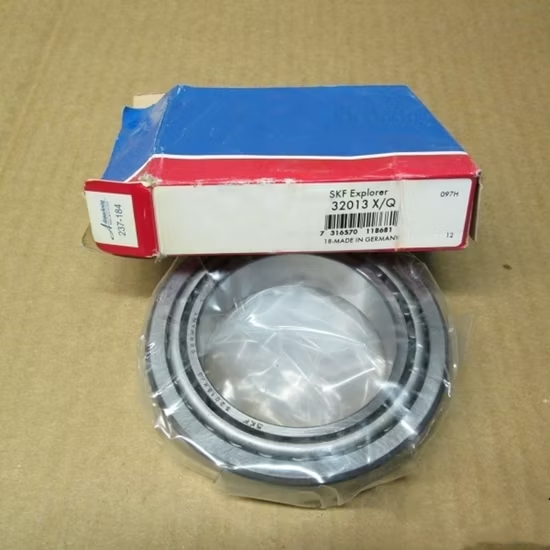
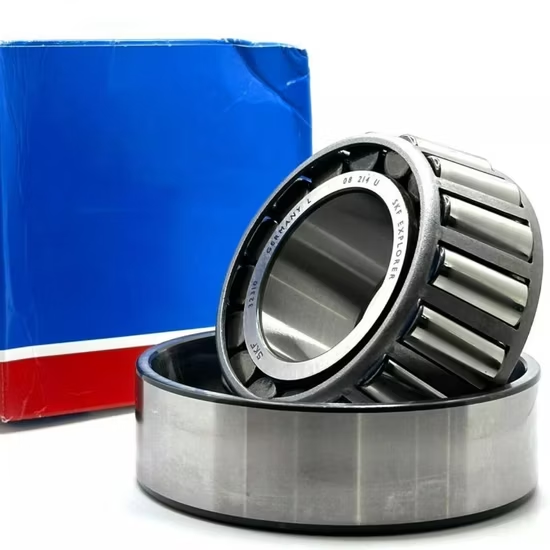


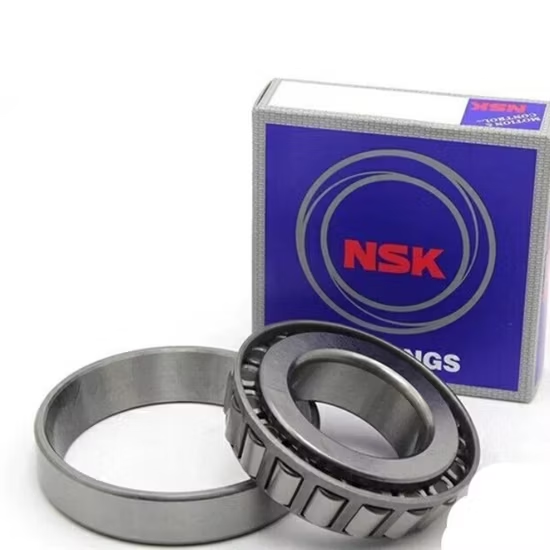
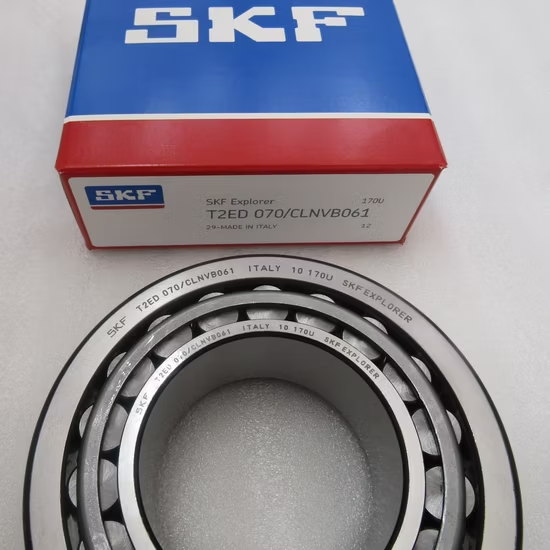
30201 30202 Single Row Tapered Roller Bearings P4 — engineered for automotive wheel hubs and industrial gearboxes.
Cross-Reference Alignment — We verify base numbers, internal clearance, and cage materials simultaneously to prevent thermal binding in mixed-brand wheel hub orders.
| Parameter | Value |
|---|---|
| Designation | 30201 30202 |
| Bearing Type | Tapered Roller Bearing |
| Number of Row | Single Row |
| Structure | Taper |
| Precision Class | P4 |
| Cage Material | Nylon / Brass / Iron |
| Material | GCr15 |
| Origin | Shanghai |
| Customization | Available |
| Industry | Typical Applications |
|---|---|
| Automotive Repair | Passenger car wheel hubs, steering knuckle pivot points |
| Heavy Vehicle Maintenance | Light truck axles, trailer wheel end assemblies |
| Industrial Power Transmission | Helical gearboxes, conveyor drive shafts |
Matching the basic designation is never enough to prevent catastrophic hub lockup on the highway.
I have spent years troubleshooting aftermarket failures across Latin America, and a significant share of premature seizures traces back to ignored inch-to-metric conversion nuances. When procurement teams source a 30201 30202 tapered roller bearing based solely on the basic metric outline, they often overlook the internal design variations required for specific OEM tolerances. Substituting a standard metric profile into an assembly originally engineered for an inch-series taper alters the load distribution across the rolling elements. This mismatch generates excessive friction heat, eventually leading to cage disintegration and total wheel lockup .
Selecting the correct 30201 30202 tapered roller bearing requires looking past the outer dimensions to evaluate how the internal geometry handles combined loading. Our technical review process cross-checks the specific taper angle and roller profile against the OEM’s original drivetrain specifications. By validating these internal design parameters, we ensure the bearing maintains optimal line contact under heavy radial and thrust loads, preventing edge stressing that typically destroys incorrectly specified replacement parts.
Wheel hub environments subject components to severe thermal cycling and environmental contamination. As braking heat transfers into the hub cavity, the internal clearance must accommodate thermal expansion without allowing the rollers to skid or bind. Proper grease selection and fill volume are equally vital; over-packing the hub causes churning and rapid temperature spikes, while under-lubrication leads to metal-to-metal contact. Sealing integrity must also be verified to keep out road salt and moisture, which rapidly degrade the raceway surfaces .
The P4 precision rating specified for this series ensures tighter dimensional and running accuracy, which is vital for minimizing vibration and noise in high-speed gearbox or hub applications. The GCr15 bearing steel construction provides the necessary core toughness and surface hardness to withstand heavy shock loads. Depending on the specific operating speed and temperature profile of your equipment, the cage material can be selected from nylon, brass, or iron variants. Nylon cages offer low friction and quiet operation at moderate temperatures, while machined brass or pressed iron cages provide superior structural rigidity and heat dissipation under severe loading conditions.
Failing to verify the internal geometry and clearance class before installation inevitably leads to unplanned downtime and voided equipment warranties. When a bearing operates with incorrect internal preload due to ignored inch-metric nuances, the resulting friction heat rapidly degrades the lubricant. This accelerates surface fatigue and spalling, turning a minor maintenance interval into a catastrophic axle failure that requires complete assembly replacement. Adhering to proper selection frameworks prevents these compounding operational losses .
Our approach to supplying these components focuses on eliminating the guesswork that plagues standard catalog ordering. We maintain authorized distribution channels that guarantee genuine batch traceability for every shipment. When cross-referencing metric designs to inch equivalents like L68149/L68110 or Set13 assemblies, we align the base designation, internal clearance, and cage material simultaneously. This prevents the common error of shipping a dimensionally correct but internally incompatible part. Furthermore, our pre-shipment inspections verify that the P4 precision tolerances are strictly met before the components leave our facility.
To ensure we supply the exact configuration required for your application, please provide the specific radial and axial load profiles, operating speeds, and typical temperature ranges. If you are replacing an existing inch-series component, sharing the original OEM equipment number or the exact cross-reference designation allows our engineering team to verify internal geometry compatibility. Supplying these operational parameters enables us to conduct a thorough L10 life calculation and confirm the optimal cage and clearance selection for your specific hub or gearbox assembly.
Q: How do you align clearance when cross-referencing 302xx to L68149 inch bearings?
A: We do not rely on basic dimension matching. Our engineering team compares the specific internal geometry, roller profile, and required thermal expansion allowances. By analyzing the OEM's original inch-series design intent, we select the exact metric clearance class and cage configuration that replicates the original load distribution and prevents thermal binding in the wheel hub.
Q: What are the operational limits for nylon versus brass cages in these hubs?
A: Nylon cages provide excellent low-friction performance and run quieter, but they have strict upper temperature limits and can degrade with certain aggressive gear oils. Brass cages tolerate significantly higher operating temperatures and offer superior structural rigidity under heavy shock loads. We evaluate your specific hub thermal profile to recommend the correct cage material.
Q: How does P4 precision improve performance over standard grades in gearboxes?
A: P4 precision guarantees much tighter tolerances on bore, outside diameter, and running accuracy compared to standard P0 grades. In industrial gearboxes, this exactness minimizes vibration, reduces noise, and ensures uniform load sharing across all tapered rollers. This uniform distribution prevents localized stress concentrations, noticeably extending the operational lifespan of the drivetrain.
Q: What documentation verifies the GCr15 material and origin?
A: Every shipment includes a comprehensive material test report detailing the chemical composition and heat treatment verification of the GCr15 bearing steel. We also provide a Certificate of Conformity and official country-of-origin documentation. These records ensure full metallurgical traceability and satisfy strict international customs and quality audit requirements.
Our 5-step process ensures every order is engineered, validated, and supported for optimal performance.
Technical needs assessment
Custom specifications
Free samples for $50k+
Pre-shipment inspection
On-site & predictive
Our certified engineers respond within 24 hours with detailed technical specifications, pricing, and lead time information.