01
Consultation
Technical needs assessment


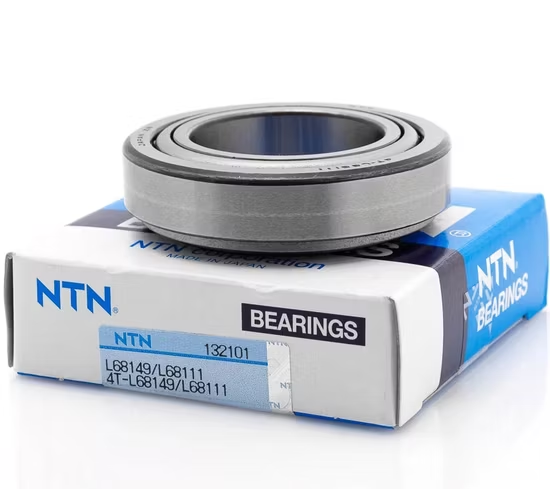
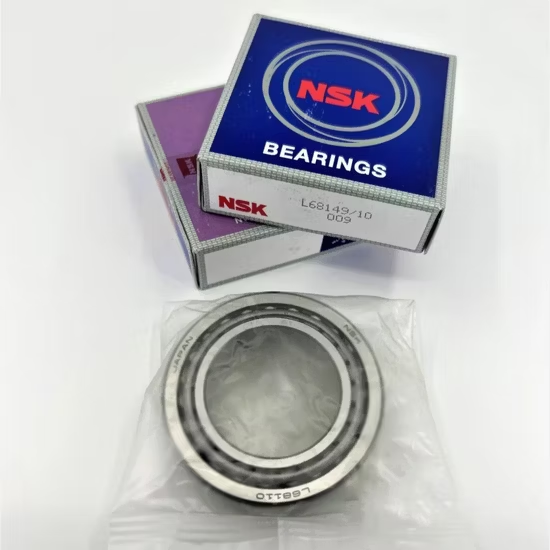
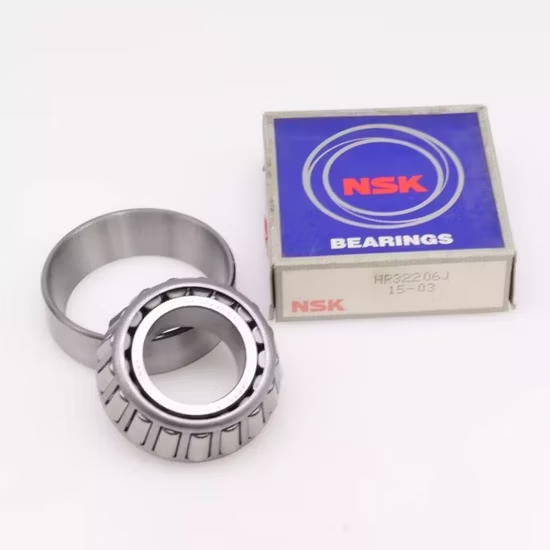
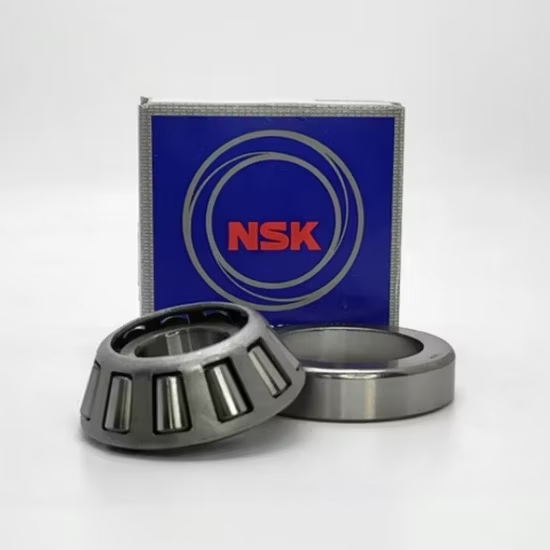
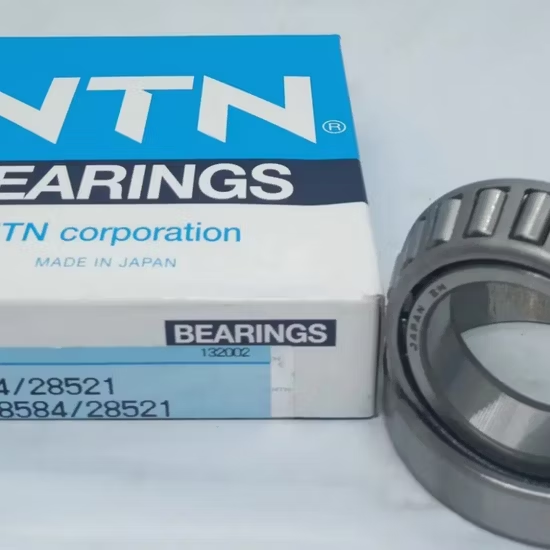
L68149/11 Single Row Inch Tapered Roller Bearing 34.988×59.975×15.875 mm P4 — engineered with GCr15 steel to manage combined radial and axial loads efficiently. The P4 precision class ensures tight dimensional and running accuracy for demanding automotive and industrial gearbox applications.
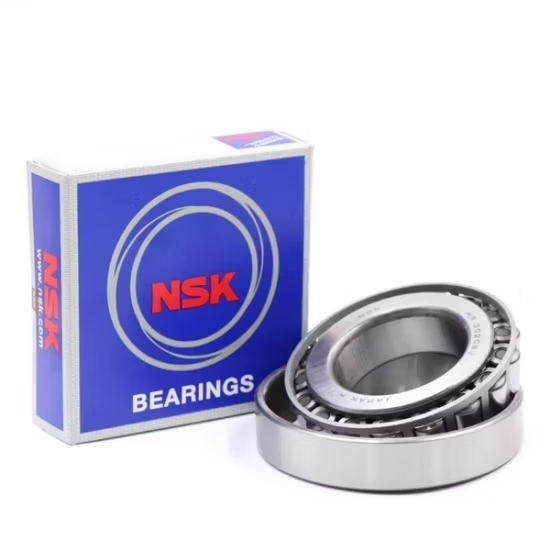
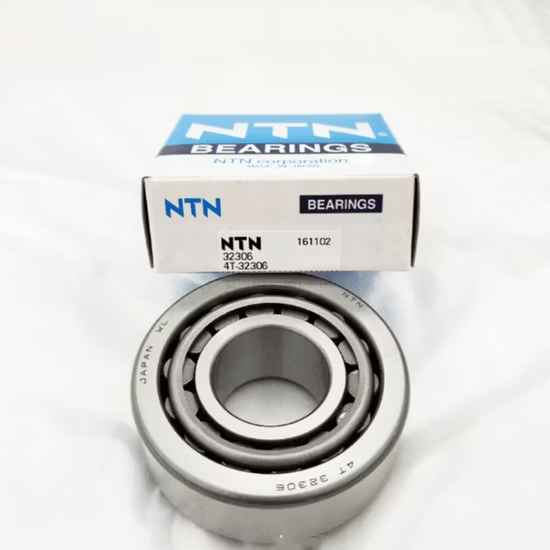
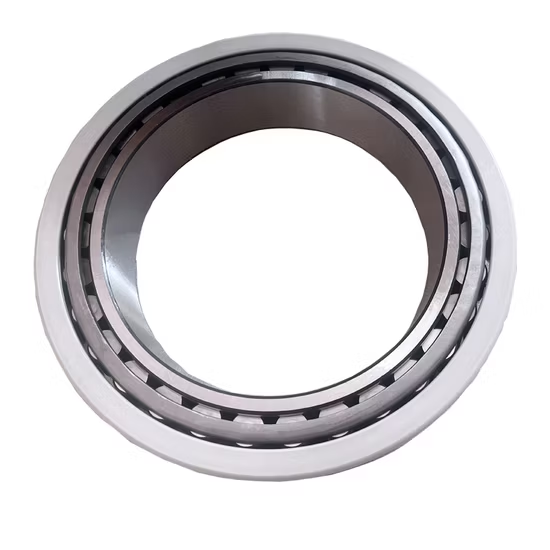
Multi-Brand Sourcing Unified — Consolidate your inch taper and metric deep groove requirements into a single authorized shipment with matched documentation across all major manufacturers.
| Parameter | Value |
|---|---|
| Designation | L68149/11 |
| Bearing Type | Tapered Roller Bearing |
| Bore Type | Inch |
| Number of Rows | Single Row |
| Material | GCr15 Bearing Steel |
| Precision Class | P4 |
| Origin | Germany / Japan / Sweden / Malaysia / China |
| Industry | Typical Applications |
|---|---|
| Mining and Crushing | Jaw crusher toggle plates and cone crusher main shafts |
| Heavy Vehicle Repair | Commercial truck wheel hubs and trailer axle assemblies |
| Industrial Gearboxes | Heavy-duty reduction gear pinion shafts and output bearings |
| Agricultural Machinery | Combine harvester rotor drives and tractor final drives |
Standard tolerances fail when heavy shock loads meet high ambient heat.
Sourcing a genuine L68149/11 tapered roller bearing requires looking past the basic cone and cup numbers. In heavy crushing environments, procurement teams often approve replacements based solely on the base designation, ignoring the internal geometry and precision class. When a standard P0 grade component is forced into a high-vibration spindle, the microscopic deviations in roller profiling lead to uneven load distribution. This edge-loading accelerates surface fatigue and triggers spalling long before the calculated L10 life is reached .
The single row inch taper design of the L68149/11 tapered roller bearing excels at managing the combined radial and axial forces inherent in heavy machinery. Unlike spherical or cylindrical alternatives, the tapered rolling elements and angled raceways transmit axial thrust directly into the housing while supporting heavy radial weights. This geometry is critical for applications like wheel hubs or gearboxes where the* or vehicle cornering forces.
Crushing plants and outdoor heavy vehicle axles expose bearings to severe temperature fluctuations and particulate contamination. At elevated temperatures, the inner ring expands, which can eliminate the internal clearance if the initial setting was too tight. Proper lubrication is equally critical; heavy loads require high-viscosity oils or greases with extreme pressure additives to maintain the elastohydrodynamic film between the rollers and the cup raceway . Inadequate sealing in these dusty environments allows abrasive silica to enter the load zone, acting as a lapping compound that rapidly destroys the P4 precision surfaces.
Specifying P4 precision for an inch-sized taper means the manufacturer has held the dimensional and running accuracy to much tighter limits than standard commercial grades. This reduces the runout and vibration signatures during high-speed rotation, which is vital for gear pinions and machine tool spindles. The GCr15 bearing steel provides the necessary core toughness and surface hardness to resist brinelling under shock loads. Depending on the specific speed and thermal requirements of your application, the internal cage can be configured in pressed steel, machined brass, or polyamide variants to optimize roller guidance and oil flow.
A mismatched internal clearance turns a minor thermal shift into a catastrophic seizure.
I witnessed this firsthand on a Latin American mining site where a primary crusher halted due to a seized main shaft. The maintenance crew had replaced the original bearings with standard clearance units, ignoring the high-friction heat generated by the crushing action. As the shaft expanded, the internal clearance vanished, causing the rollers to skid and the cage to disintegrate. Such unplanned downtime not only halts production but often causes secondary damage to the housing and shaft journals, leading to massive repair bills and voided equipment warranties .
We do not just pick boxes off a shelf; we verify the exact internal configuration. For inch tapers like this, the most common cross-reference error involves matching the base number while missing the specific cage material or precision suffix required by the OEM. Our technical team reviews your load, speed, and temperature parameters to ensure the supplied unit matches the original equipment specifications. Because we hold authorized distribution across all major international brands, we can provide complete batch traceability and factory documentation, eliminating the risk of receiving counterfeit assemblies with soft inner rings that fail under load.
To ensure the supplied bearing perfectly matches your machinery, please provide the specific radial and axial load values, operating speeds, and expected temperature ranges. If you are replacing an existing unit, sharing the OEM equipment number or the exact suffixes printed on the original cone and cup allows our engineering team to perform a precise cross-reference check. This technical validation ensures you receive a component engineered for your exact duty cycle, rather than a generic substitute that might fail prematurely.
Q: How can I verify the authenticity of the L68149/11 tapered roller bearing upon delivery?
A: Every genuine unit we supply features a traceable batch code. You can scan the QR code using the manufacturer's official mobile application to instantly verify the production date, origin, and specification compliance. This digital check eliminates the risk of installing counterfeit parts with substandard steel that often pass casual visual inspections but fail rapidly under heavy industrial loads.
Q: What cross-reference checks are critical beyond the base designation for this inch taper?
A: Matching the base L68149/11 number is only the first step. Our engineers also verify the internal geometry, the specific cage material, and the precision class to ensure they align with your equipment's OEM requirements. Overlooking these internal differences often leads to incorrect load distribution, excessive heat generation, and premature cage failure in demanding applications like crushers and gearboxes.
Q: How do I select the correct internal clearance for high-temperature crushing applications?
A: In high-heat environments, the shaft and inner ring expand more than the outer housing. If a standard clearance bearing is used, this thermal growth can eliminate the internal play, causing the bearing to preload and seize. We review your specific operating temperatures and mounting fits to recommend the appropriate clearance class, ensuring the bearing maintains optimal internal geometry during peak thermal loads.
Q: What mounting practices are recommended to preserve the P4 precision of this single row taper?
A: Single row tapered roller bearings require manual clearance adjustment during installation. We recommend using controlled induction heating for the inner ring and avoiding direct hammer blows that can brinell the raceways. Proper adjustment of the endplay is critical; setting it too tight causes overheating, while setting it too loose allows destructive shaft deflection and gear misalignment.
Our 5-step process ensures every order is engineered, validated, and supported for optimal performance.
Technical needs assessment
Custom specifications
Free samples for $50k+
Pre-shipment inspection
On-site & predictive
Our certified engineers respond within 24 hours with detailed technical specifications, pricing, and lead time information.