01
Consultation
Technical needs assessment

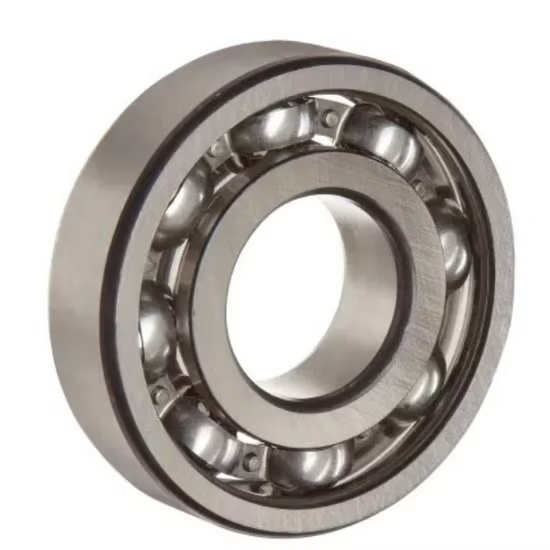
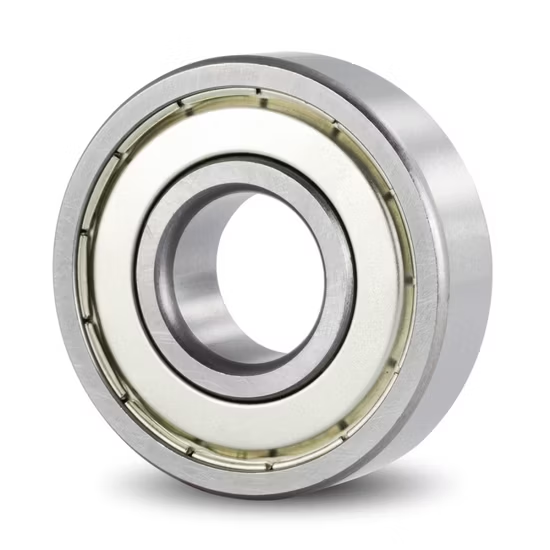
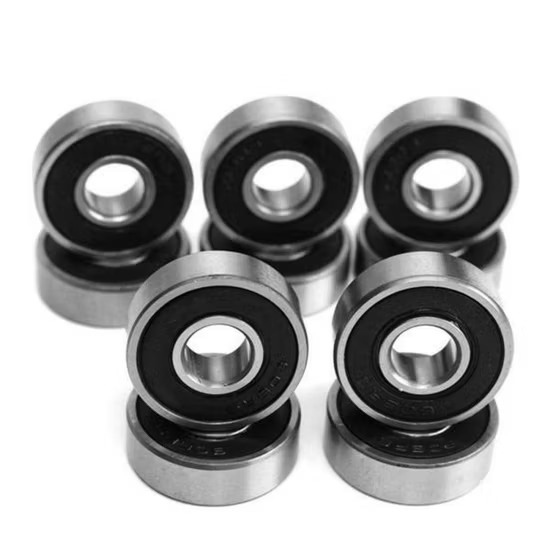

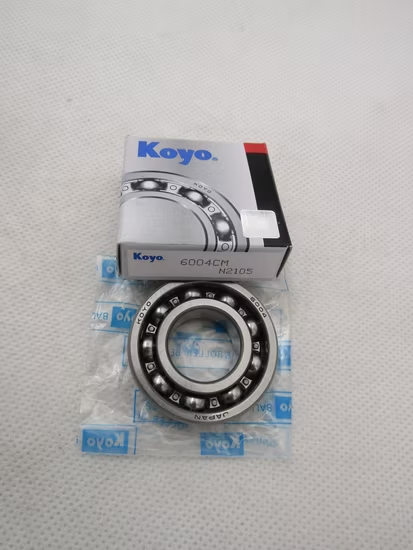
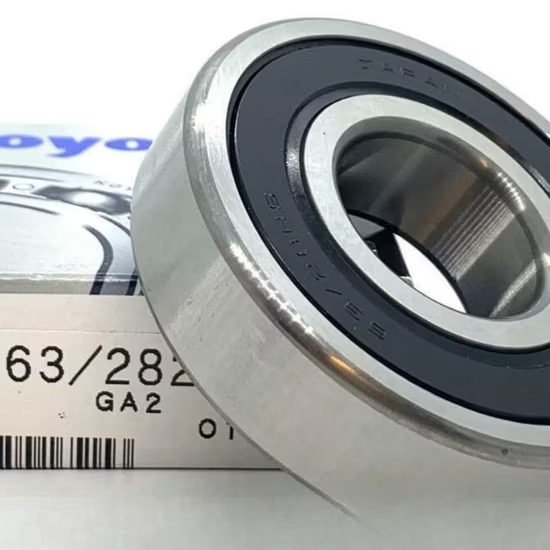
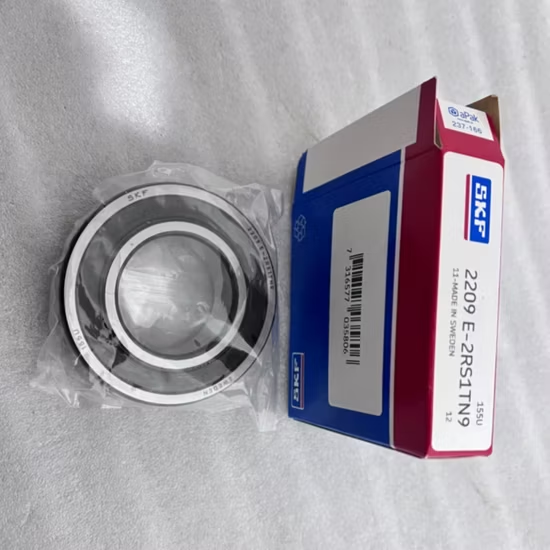
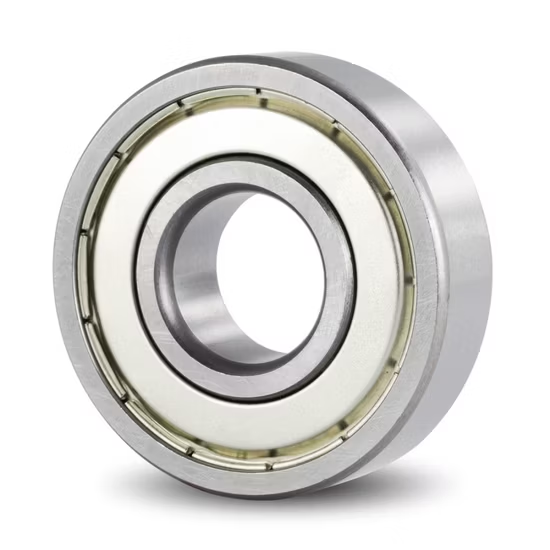
Koyo 6300 Deep Groove Ball Bearing handles moderate radial and axial loads for electric motors, pumps, and industrial gearboxes.
Multi-brand authorized coverage — Consolidate your Koyo 6300 deep groove ball bearing requirements alongside other major international brands in a single shipment, eliminating the friction of coordinating multiple suppliers.
| Parameter | Value |
|---|---|
| Designation | Koyo 6300 |
| Bearing Type | Deep Groove Ball Bearing |
| Seal or Shield Options | Open, Rubber Seals, Iron Seals |
| Vibration and Noise Levels | Z1V1, Z2V2, Z3V3, Z4V4 |
| Origin Options | Germany, Japan, Sweden, Malaysia, China |
| HS Code | 848210 |
| Industry | Typical Applications |
|---|---|
| Electric Motors | Rotor shaft support in industrial AC/DC motors |
| Industrial Gearboxes | High-speed input shaft and intermediate shaft support |
| Pumps | Centrifugal pump impeller shaft radial positioning |
| Conveyors | Drive roller and idler pulley shaft bearings |
| Household Appliances | Washing machine drum and HVAC blower motor shafts |
Matching the base designation is never enough when internal clearances and seal types are ignored.
Procurement teams frequently source replacements that look identical on paper, only to face premature thermal binding or cage disintegration in the field. A standard clearance variant installed in a high-speed motor will overheat, while an open variant used in a dusty conveyor environment will suffer rapid abrasive wear. These cross-reference errors bypass visual inspection but destroy equipment reliability . Securing the exact Koyo 6300 deep groove ball bearing configuration prevents these hidden operational disasters.
Selecting the correct Koyo 6300 deep groove ball bearing requires aligning the seal type and vibration grade with the specific machine environment. We review your application parameters to ensure the selected variant handles the exact contamination level and acoustic requirements of your facility, preventing early degradation caused by mismatched internal components.
Electric motors and gearboxes subject these components to continuous radial loads and high rotational speeds, demanding precise internal geometries. Temperature fluctuations during startup and shutdown cycles directly impact internal clearance, making the correct initial selection vital to avoid excessive preload or damaging looseness. Furthermore, the choice between contact rubber seals and non-contact iron shields dictates the balance between moisture exclusion and frictional heat generation .
The base architecture supports multiple sealing arrangements to address diverse contamination threats. Rubber seals provide superior exclusion of fine particulates and moisture for harsh environments, while iron shields offer low-friction protection suitable for high-speed, clean applications. Additionally, the available vibration and noise classifications, ranging from standard to ultra-quiet grades, dictate the internal geometric tolerances and surface finishes. Selecting a higher precision noise grade ensures smoother operation and reduced acoustic emissions in sensitive electric motor applications.
Substituting a visually similar alternative without verifying the exact internal design often leads to unplanned downtime and catastrophic equipment damage. When the cage material or internal geometry fails to match the original equipment manufacturer's specifications, the resulting vibration accelerates fatigue across the entire drivetrain. This premature failure not only voids equipment warranties but also triggers expensive secondary repairs to shafts and housings .
We eliminate the risk of soft inner rings and cloned packaging by sourcing exclusively through authorized channels. Our technical team verifies that every cross-reference aligns perfectly on base number, seal configuration, and internal clearance, rather than relying on flawed automated catalogs. Every batch is validated using the manufacturer's official application to confirm authenticity before dispatch. Furthermore, we provide complete dimensional and running accuracy inspection reports, ensuring the physical tolerances match the engineering requirements for your specific machinery.
Share your specific radial and axial load profiles, operating speeds, and thermal conditions so our engineering team can validate the optimal internal configuration. Providing the original equipment manufacturer's part number allows us to execute a precise cross-reference check, ensuring the replacement perfectly mirrors the factory specifications. This technical review guarantees the selected variant delivers the expected service life in your unique operating environment.
Q: How can I verify the authenticity of the Koyo 6300 deep groove ball bearing before installation?
A: Authenticity is confirmed by scanning the QR code on the packaging using the manufacturer's official mobile application. This digital verification links the physical product to the original production batch, exposing counterfeit items that rely on cloned visual markers but lack secure digital traceability in the manufacturer's database.
Q: Why is it critical to match the vibration and noise grade during replacement?
A: Upgrading or downgrading the vibration grade alters the internal geometric tolerances and surface finishes. Installing a standard grade in an application designed for an ultra-quiet variant introduces excessive acoustic emissions and harmonic vibrations, which can accelerate fatigue in the motor housing and surrounding structural components.
Q: What is the performance difference between rubber seals and iron shields in electric motors?
A: Rubber seals provide robust exclusion of moisture and fine dust but generate higher frictional heat due to lip contact. Iron shields maintain a small non-contact gap, offering lower friction and higher speed capabilities, making them ideal for clean, high-speed motor environments where heat generation must be strictly minimized.
Q: How does internal clearance affect the bearing in high-temperature gearbox applications?
A: As operating temperatures rise, the inner ring expands more than the outer ring, reducing the internal clearance. Selecting a variant with appropriate initial clearance prevents the rolling elements from becoming tightly bound under thermal expansion, avoiding excessive friction, rapid lubricant degradation, and eventual cage failure.
Our 5-step process ensures every order is engineered, validated, and supported for optimal performance.
Technical needs assessment
Custom specifications
Free samples for $50k+
Pre-shipment inspection
On-site & predictive
Our certified engineers respond within 24 hours with detailed technical specifications, pricing, and lead time information.