01
Consultation
Technical needs assessment


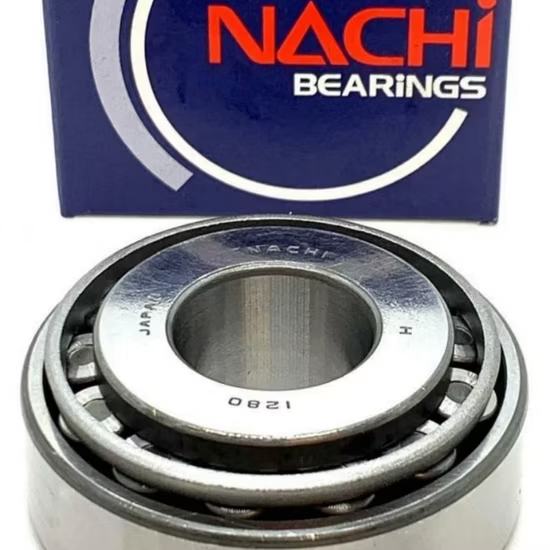


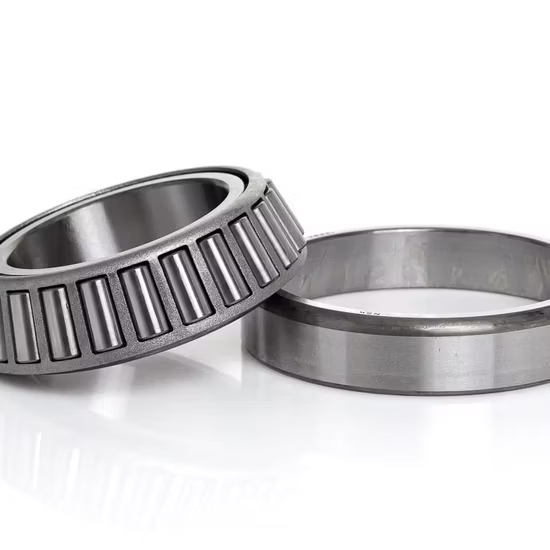
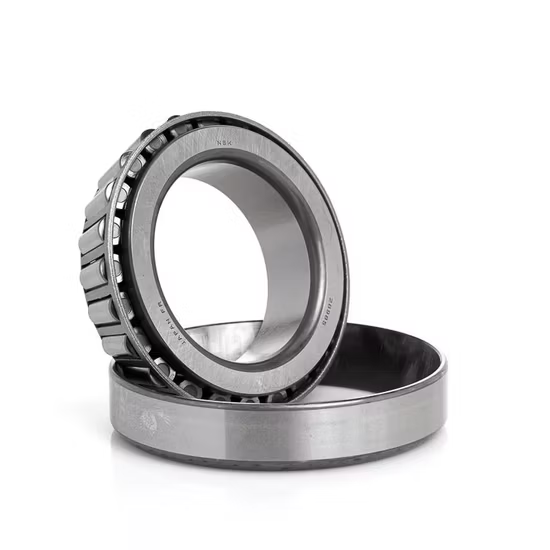
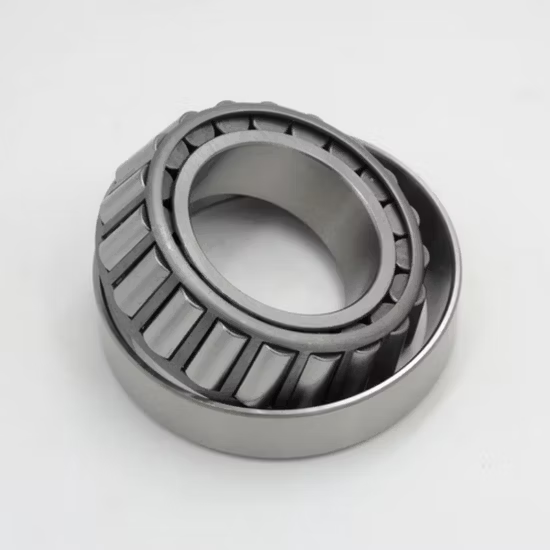
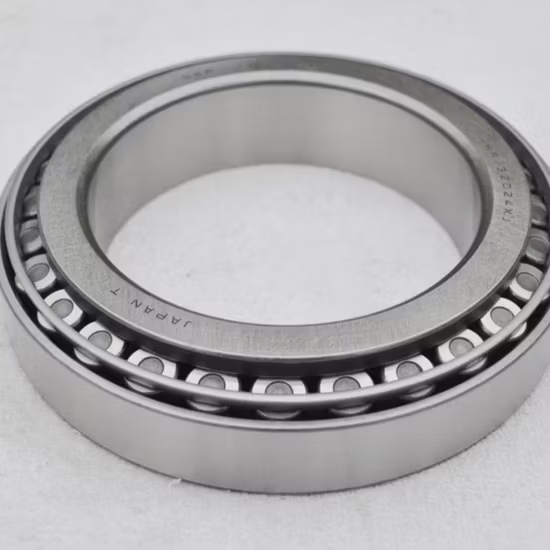
TR070902/354A Tapered Roller Bearing P4 — engineered for heavy truck axles and automotive wheel hubs.
Verified via official apps — Every TR070902/354A tapered roller bearing ships with batch traceability scannable through manufacturer QR tools to confirm authenticity before installation.
| Parameter | Value |
|---|---|
| Designation | TR070902/354A |
| Bearing Type | Tapered Roller Bearing |
| Material | GCr15 Chrome Steel |
| Precision Class | P4 |
| Cage Material | Available in nylon, brass, or iron variants |
| Origin | Germany / Japan / Sweden / Malaysia / China |
| Industry | Typical Applications |
|---|---|
| Heavy Trucks | Wheel hubs and drive axles |
| Automotive Repair | Heavy vehicle drivetrain overhauls |
| Manufacturing Plants | Heavy equipment material handling |
Matching the base designation is never enough when internal clearances and cage designs dictate survival under extreme thermal loads.
Having spent years troubleshooting heavy truck axles in the Middle East, I have seen countless wheel hubs seize simply because a standard clearance was installed where a C3 equivalent was required for desert heat expansion. When procurement teams focus only on the basic number, they often overlook critical internal design variations. This oversight leads to thermal binding, premature cage failure, and catastrophic downtime on the highway . A genuine TR070902/354A tapered roller bearing must be verified not just by its outer dimensions, but by its exact internal geometry and cage material suitability for the specific operating environment.
Selecting the correct TR070902/354A tapered roller bearing requires looking beyond the catalog page to understand the actual shock loads and vibration profiles of heavy truck axles. Our technical team reviews application parameters to ensure the internal design matches the OEM equipment requirements, preventing the costly cross-reference errors that plague standard trading channels.
Heavy vehicle drivetrains generate immense friction heat, especially during prolonged descents or high-speed highway transit. This thermal buildup directly impacts internal clearance; if the expansion is not accommodated, the rolling elements will skid and destroy the raceway. Cage material selection becomes equally critical, as the component must withstand intense vibration and shock loads without fracturing. Proper lubrication intervals and seal integrity further dictate whether the assembly survives the contamination typical of construction and mining routes .
The P4 precision rating of this component ensures tighter dimensional and running accuracy, which is vital for minimizing vibration in heavy vehicle wheel hubs. Depending on the specific speed and temperature profile of the axle, the cage can be sourced in nylon for reduced weight and noise, brass for high-vibration durability, or iron for extreme load resistance. It is important to note that the TR, 070902, and 354A segments are unverified suffixes requiring manufacturer catalog confirmation to guarantee the exact internal configuration. Matching these precise engineering details prevents the premature wear that standard P0 grade replacements often exhibit in demanding commercial fleets.
Installing a component with an incorrect internal design or mismatched cage material inevitably leads to unplanned downtime and catastrophic damage to the axle housing. When thermal binding occurs due to ignored clearance requirements, the resulting friction can weld the rolling elements to the raceway, voiding warranties and destroying surrounding seals. Adhering to failure analysis frameworks like ISO 15243 reveals that a significant share of these premature failures stems directly from procurement errors rather than manufacturing defects .
We provide authorized coverage across all major international brands, allowing fleet managers to consolidate mixed-brand requirements into a single, verified shipment. Our cross-brand interchange process matches clearance, cage material, and precision suffixes, ensuring the replacement part behaves exactly like the original equipment. Every batch is fully traceable to the manufacturer, eliminating the risk of soft inner rings and cloned QR codes that frequently infiltrate the heavy vehicle repair market. We also conduct application-based selection reviews to confirm that the chosen component can handle the specific load, speed, and temperature conditions of your fleet.
To ensure optimal performance, please share your specific radial and axial load calculations, operating speeds, and ambient temperature ranges for a comprehensive L10 life review. Providing the exact OEM equipment number allows our engineering team to perform a rigorous cross-reference check, verifying that the internal design and cage material perfectly align with your heavy truck axle requirements.
Q: How do I verify the authenticity of these bearings using official traceability tools?
A: Every unit ships with batch traceability documentation. You can scan the provided QR codes using the manufacturer's official mobile applications to instantly verify the production lot, origin, and authenticity, effectively filtering out counterfeit clones with soft inner rings that plague the heavy truck repair market.
Q: Why do cross-reference errors in cage materials cause heavy truck axle failures?
A: Base numbers often match while internal cage designs differ. Installing a nylon cage in an application requiring brass for high-vibration shock loads leads to rapid cage fragmentation. This misalignment causes rolling element skewing, thermal binding, and eventual axle seizure under heavy commercial payloads.
Q: What are the selection boundaries between nylon, brass, and iron cages in heavy vehicles?
A: Nylon cages offer lower friction and noise for standard highway speeds, while brass cages provide superior durability against high vibration and shock loads. Iron cages are reserved for extreme static loads. The correct choice depends entirely on the specific thermal and dynamic profile of the truck axle.
Q: How does P4 precision compare to standard grades for truck wheel hubs?
A: P4 precision guarantees tighter dimensional and running accuracy than standard P0 grades. In heavy truck wheel hubs, this reduced tolerance minimizes vibration, ensures even load distribution across the tapered rollers, and noticeably extends the operational lifespan of the entire drivetrain assembly under continuous highway transit.
Our 5-step process ensures every order is engineered, validated, and supported for optimal performance.
Technical needs assessment
Custom specifications
Free samples for $50k+
Pre-shipment inspection
On-site & predictive
Our certified engineers respond within 24 hours with detailed technical specifications, pricing, and lead time information.