01
Consultation
Technical needs assessment

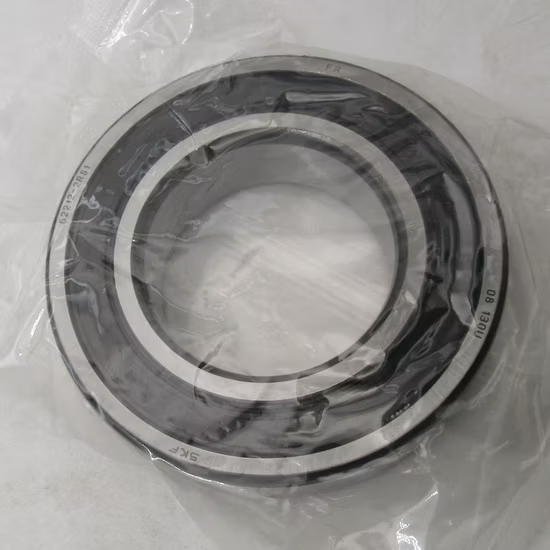
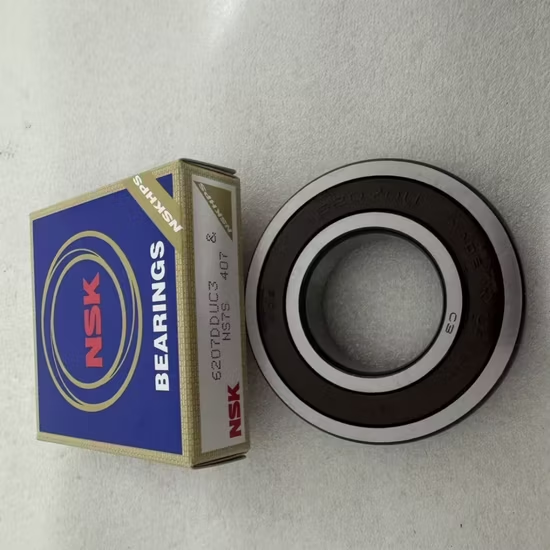
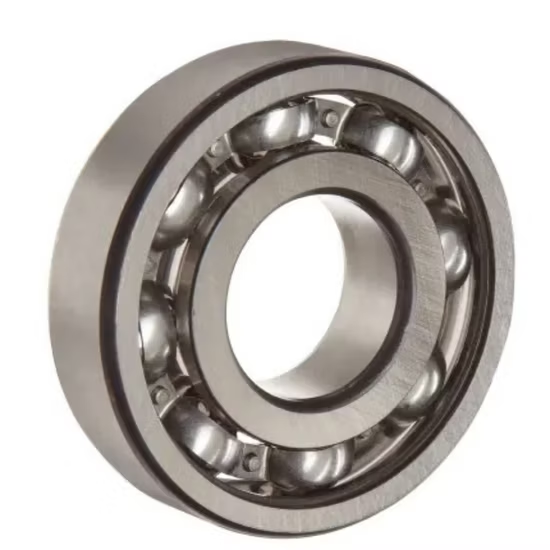
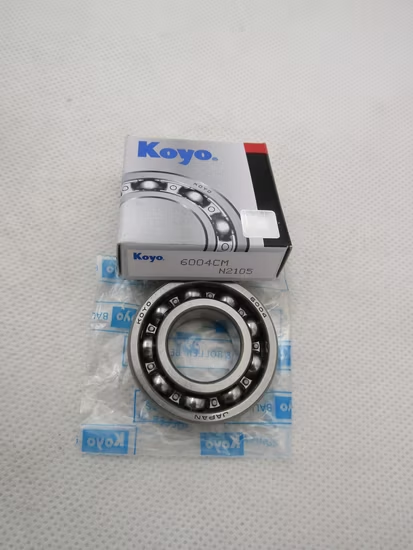
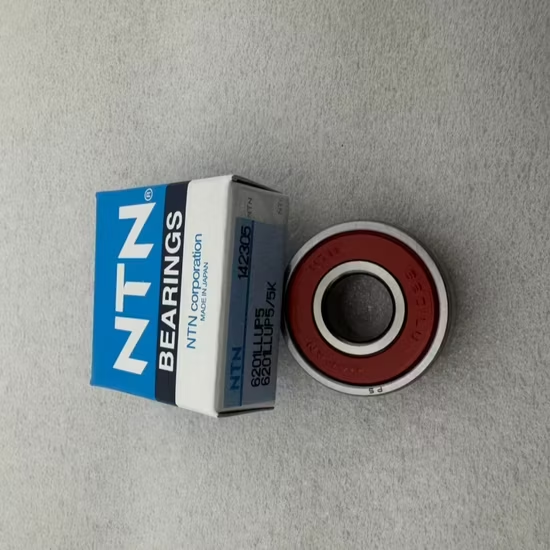

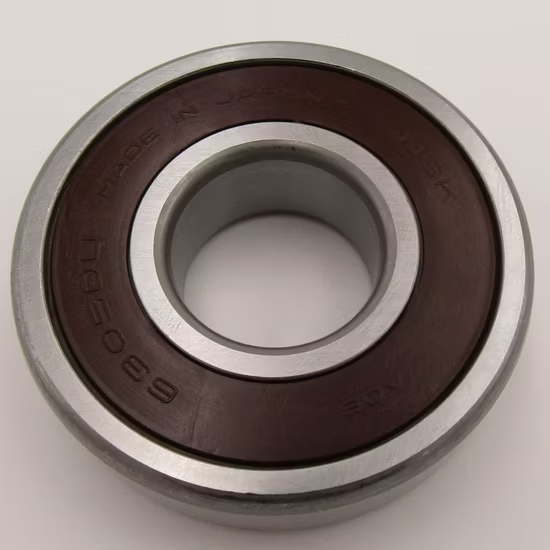
6314 Deep Groove Ball Bearing
Multi-brand authorized coverage — Source genuine NTN, NSK, and Koyo 6314 bearings in a single consolidated shipment without juggling multiple vendors.
| Parameter | Value |
|---|---|
| Designation | 6314 |
| Product Type | Deep Groove Ball Bearing |
| Bore Diameter (d) | 70 mm |
| Outside Diameter (D) | 150 mm |
| Width (B) | 35 mm |
| Bearing Style | Open, Rubber Seals, Iron Seals |
| Quality Level | Z1V1, Z2V2, Z3V3, Z4V4 |
| Origin | Germany, Japan, Sweden, Malaysia, China |
| HS Code | 848210 |
Note: The "V" referenced in track applications denotes a V-groove outer ring profile for guide systems, which is an unverified suffix requiring manufacturer catalog confirmation for exact internal design codes.
| Industry | Typical Applications |
|---|---|
| Material Handling | Conveyor track and guide systems, automated sorting rails |
| Industrial Manufacturing | Electric motor shafts, industrial pump assemblies |
| Power Transmission | Heavy-duty gearbox support, drive pulley mechanisms |
Matching the outer ring profile to the rail geometry prevents uneven load distribution and premature spalling.
Procurement engineers frequently encounter situations where a standard deep groove ball bearing is supplied for a track application, leading to rapid edge loading and guide rail wear. When cross-referencing part numbers, overlooking the specific outer ring contour or mismatching the internal clearance causes the rolling elements to skid under dynamic loads . We eliminate this risk by verifying both the physical profile and the internal geometry against your OEM equipment requirements.
Selecting the correct 6314 V groove deep groove ball bearing requires more than just matching the base numeric designation. Our technical team reviews the specific contact angle of the V-profile against your guide rail to ensure optimal load distribution. By validating the seal type and internal clearance simultaneously, we prevent the thermal binding that often plagues high-speed conveyor systems.
In material handling environments, equipment experiences fluctuating temperatures and heavy particulate exposure. Selecting an inappropriate clearance class causes the bearing to seize as the shaft expands, while inadequate sealing allows abrasive dust to degrade the lubricant . Evaluating the operational speed and ambient temperature dictates whether rubber contact seals or iron shields provide the best balance between friction and protection.
The available quality levels, ranging from Z1V1 to Z4V4, define the strictness of the vibration and noise limits during manufacturing. For electric motor applications, a higher grade ensures smoother rotation and reduces acoustic emissions. Furthermore, choosing between open, rubber-sealed, or iron-shielded variants determines the maintenance cycle; rubber seals offer superior moisture exclusion but generate slightly more friction, whereas iron shields accommodate higher rotational speeds with minimal torque resistance.
Substituting a standard bearing into a V-groove track application results in concentrated stress lines, leading to catastrophic raceway failure and unplanned downtime. When procurement teams ignore the seal suffix during replacement, lubricant leakage contaminates the surrounding machinery, voiding equipment warranties. Adhering to ISO 15243 failure analysis frameworks reveals that a significant share of premature failures stems directly from these subtle specification mismatches during the sourcing phase .
We supply authorized NTN, NSK, and Koyo inventory, ensuring every 6314 unit features full batch traceability back to the manufacturer's production facilities. Our cross-reference protocol strictly aligns the base number, seal configuration, and clearance class to prevent the thermal binding common in poorly matched replacements. Instead of pushing generic alternatives, we provide application-based selection reviews that account for your specific load, speed, and mounting conditions.
To ensure optimal performance, share your specific radial and axial load calculations, operational speeds, and ambient temperature ranges with our engineering team. We will perform a comprehensive L10 life calculation and verify the cross-reference against your OEM equipment number. Providing these application parameters allows us to confirm the exact seal and clearance configuration required for your machinery.
Q: Why must cross-referencing include seal and clearance suffixes?
A: Matching only the base number often results in installing a standard clearance bearing where thermal expansion demands a C3 clearance. This oversight causes internal preload to spike during operation, leading to rapid thermal binding and cage failure. We verify all suffixes to ensure exact compatibility with your equipment's operational dynamics.
Q: How do Z1V1 to Z4V4 grades affect motor applications?
A: These designations classify the strictness of vibration and acoustic limits during manufacturing. Higher grades like Z4V4 are essential for precision electric motors where operational smoothness and low noise are critical. Selecting the appropriate grade ensures the bearing meets the specific acoustic and dynamic requirements of your drive assemblies.
Q: When should I choose rubber seals over iron shields?
A: Rubber contact seals provide superior exclusion of moisture and fine particulate matter, making them ideal for contaminated environments, though they introduce slight frictional torque. Iron shields offer non-contact protection suitable for higher-speed applications where minimizing heat generation is prioritized over absolute environmental sealing.
Q: How is the V-groove profile verified for authenticity?
A: We utilize official brand applications to scan the QR codes on the packaging, verifying the batch against the manufacturer's database. This process eliminates the risk of counterfeit products featuring soft inner rings or cloned labels, ensuring the physical track profile meets the exact metallurgical and dimensional standards required for guide systems.
Q: What are the mounting considerations for V-groove track bearings?
A: Proper alignment with the guide rail is critical to prevent edge loading on the outer ring. Installers must avoid applying mounting forces through the rolling elements and ensure the shaft and housing tolerances do not distort the raceway geometry, which would otherwise compromise the tracking stability and reduce the operational lifespan.
Our 5-step process ensures every order is engineered, validated, and supported for optimal performance.
Technical needs assessment
Custom specifications
Free samples for $50k+
Pre-shipment inspection
On-site & predictive
Our certified engineers respond within 24 hours with detailed technical specifications, pricing, and lead time information.