01
Consultation
Technical needs assessment



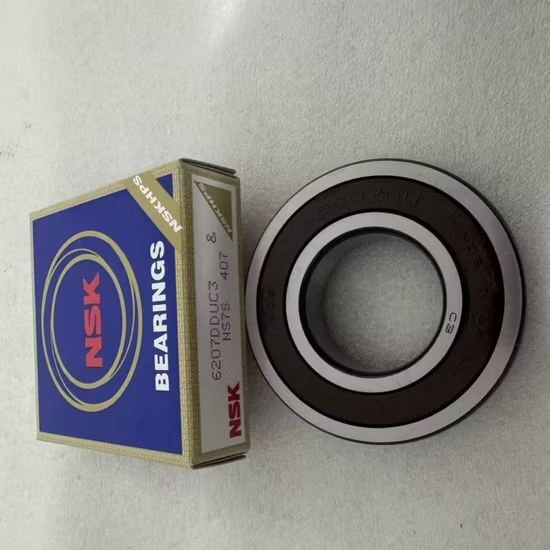


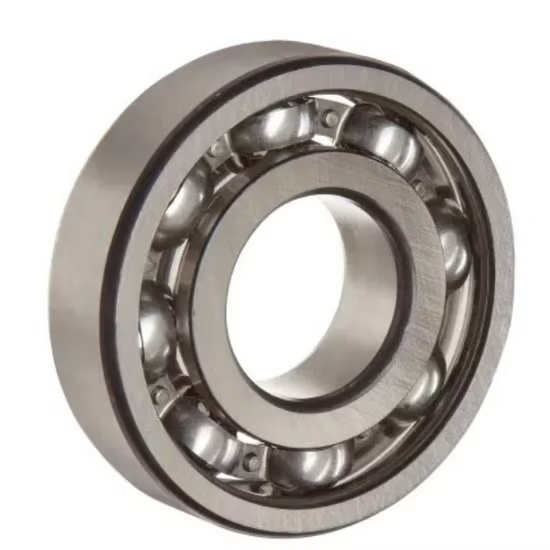
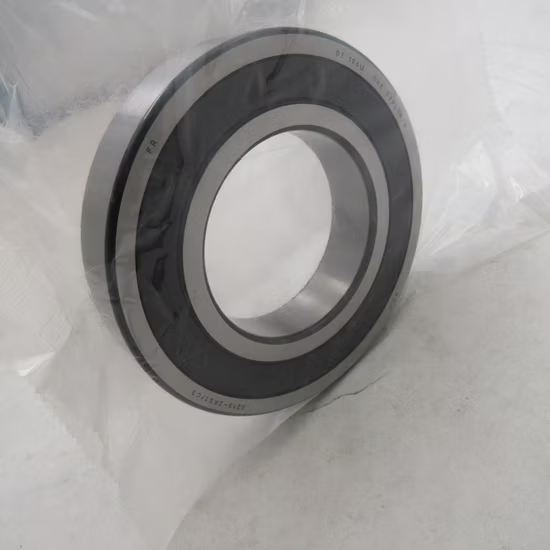
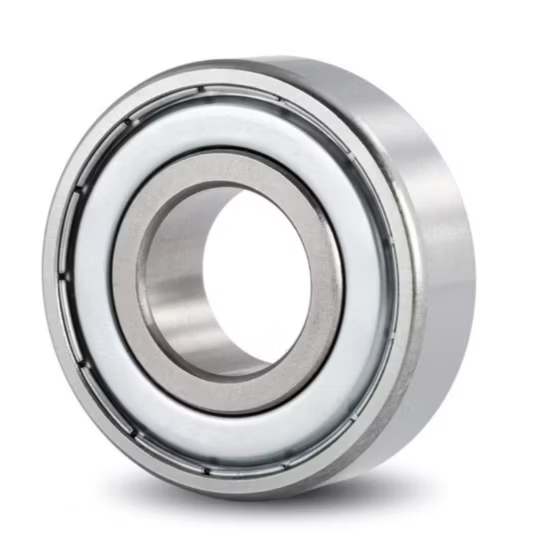
6201 6202 6203 6204 6205 6206 6207 6208 P5 P4 2rsh 2RS1 Deep Groove Ball Bearing series offers P4 and P5 precision for demanding spindle applications. Integrated 2RS1 and 2rsh contact seals prevent contamination for maintenance-free operation.
Batch Traceability — every 6201 6202 6203 6204 6205 6206 6207 6208 P5 P4 2rsh 2RS1 deep groove ball bearing ships with verifiable lot documentation.
| Parameter | Value |
|---|---|
| Designation | 6201 6202 6203 6204 6205 6206 6207 6208 P5 P4 2rsh 2RS1 |
| Product Type | Deep Groove Ball Bearing |
| Precision Class | P5 (ISO Class 5), P4 (ISO Class 4) |
| Seal Type | 2rsh, 2RS1 (Double-sided contact rubber seal) |
| Noise and Vibration | Z1V1, Z2V2, Z3V3, Z4V4 |
| Origin | Germany, Japan, Sweden, Malaysia, China |
| HS Code | 848210 |
| Industry | Typical Applications |
|---|---|
| Electric Motors | High-speed rotor shafts, servo motor spindles |
| Industrial Gearboxes | Precision input shafts, high-RPM auxiliary drives |
| Machine Tools | High-frequency grinding spindles, precision feed mechanisms |
| Household Appliances | Inverter compressor crankshafts, ultra-quiet cooling fans |
Matching the bore and outer diameter is only the beginning of a reliable selection.
I have seen standard P0 grade units forced into high-speed motor applications simply because the base numbers aligned, only to result in severe thermal binding and catastrophic cage failure within weeks. When a 6201 6202 6203 6204 6205 6206 6207 6208 P5 P4 2rsh 2RS1 deep groove ball bearing is specified, substituting it with a lower tolerance class ignores the strict dimensional boundaries required for high-RPM stability . The resulting vibration destroys adjacent seals and compromises the entire drive assembly.
Upgrading to P4 or P5 precision fundamentally changes how the bearing behaves under dynamic loads. These tighter ISO tolerance classes restrict radial and axial runout, ensuring the shaft rotates with minimal eccentricity. For machine tool spindles and high-frequency motors, this exactitude prevents the micro-vibrations that typically degrade surface finishes and accelerate lubricant breakdown.
High rotational speeds generate significant internal heat, which alters the internal geometry of the bearing. The 2RS1 and 2rsh contact seals provide essential protection against dust and moisture ingress, but they also introduce friction. Selecting the appropriate noise and vibration grade, from Z1V1 up to Z4V4, ensures the internal surface finish minimizes heat generation, balancing the sealing effectiveness with the thermal limits of the lubricant .
The distinction between 2RS1 and 2rsh often dictates the operational lifespan in contaminated environments. Both denote double-sided contact rubber seals, yet specific manufacturer designations imply subtle differences in lip geometry and sealing pressure. Pairing these seals with P4 or P5 precision means the bearing must maintain its tight runout tolerances without the seal lip generating excessive drag. This requires precise matching of the seal material to the expected operating temperature and shaft surface finish.
Ignoring the precision and sealing suffixes leads to unplanned downtime that far exceeds the cost of the component itself. A standard precision bearing running at speeds intended for a P4 class will experience premature fatigue, often classified under ISO 15243 as surface distress or smearing . This cascades into shaft scoring and housing damage, voiding equipment warranties and forcing complete assembly replacements.
We do not just match base numbers; we verify the exact suffix architecture. When sourcing a 6201 6202 6203 6204 6205 6206 6207 6208 P5 P4 2rsh 2RS1 deep groove ball bearing, our technical team ensures the cross-referenced equivalent maintains the identical ISO precision class and seal friction profile. We provide multi-brand coverage, meaning a single procurement cycle handles your mixed-brand requirements without sacrificing the strict tolerance boundaries your equipment demands.
To ensure the selected precision class and seal type match your specific machinery, please provide the radial and axial load profiles, operational RPM, and expected thermal environment. Sharing the OEM equipment number allows our engineering team to perform a rigorous cross-reference check, verifying that the internal geometry and sealing friction align perfectly with your original design parameters.
Q: Why does the base number match but the machine still fails?
A: Base numbers only define the physical envelope dimensions. If the replacement lacks the required P4 or P5 precision suffix, the increased runout causes severe vibration at high speeds. Similarly, missing the correct 2RS1 or 2rsh seal suffix allows contaminants to enter, rapidly destroying the internal geometry and causing premature seizure.
Q: What is the practical difference between P4 and P5 precision?
A: P4 represents ISO Class 4 precision, offering tighter dimensional and running accuracy tolerances than P5 (ISO Class 5). P4 is typically reserved for ultra-high-speed machine tool spindles where minimal runout is critical, while P5 suits high-performance electric motors and gearboxes requiring reliable, low-vibration operation.
Q: Are 2RS1 and 2rsh seals completely interchangeable?
A: While both indicate double-sided contact rubber seals, the specific nomenclature often reflects distinct manufacturer designs regarding lip geometry and contact pressure. Substituting one for the other without technical review can alter seal friction, potentially leading to overheating or inadequate contaminant exclusion in your specific application.
Q: How do Z1V1 to Z4V4 grades affect motor performance?
A: These codes define the strict limits for noise and vibration. A Z4V4 grade bearing possesses superior raceway surface finishes and tighter ball tolerances, resulting in exceptionally quiet operation. This is crucial for household appliances and precision servos where acoustic noise and micro-vibrations directly impact end-product quality.
Q: How can I verify the authenticity of the delivered bearings?
A: Every unit we supply includes batch traceability documentation and a Certificate of Conformity. You can verify the authenticity directly by scanning the manufacturer's QR code using their official mobile application, which confirms the production facility, date, and original specifications.
Our 5-step process ensures every order is engineered, validated, and supported for optimal performance.
Technical needs assessment
Custom specifications
Free samples for $50k+
Pre-shipment inspection
On-site & predictive
Our certified engineers respond within 24 hours with detailed technical specifications, pricing, and lead time information.